
4 Minutes
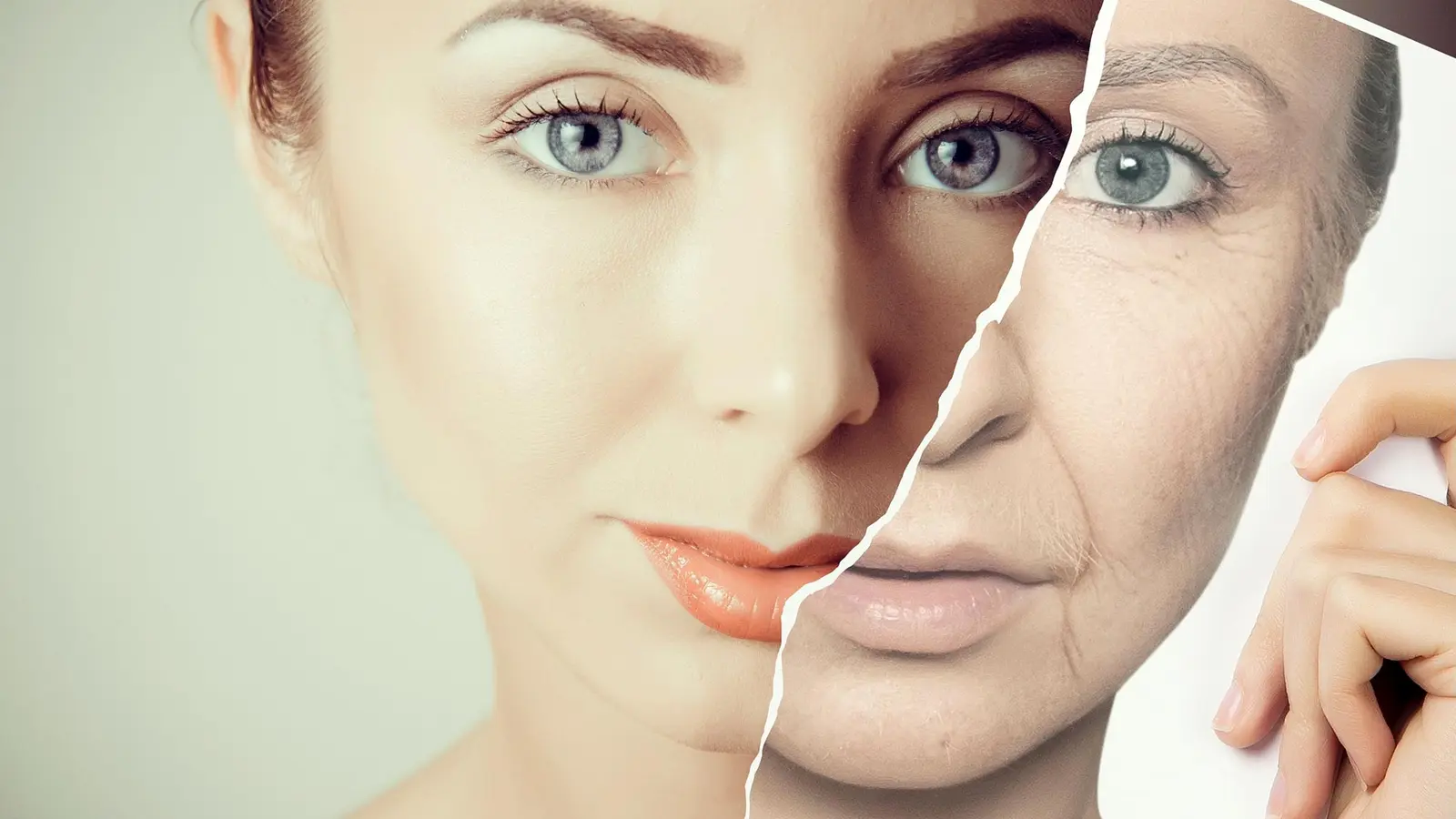
You may think fretting about wrinkles or future illness is just a mood. It might be more than that. New research from NYU suggests persistent worry about getting older—particularly fears about declining health—can be found at the molecular level, nudging biological markers toward faster aging.
How a worry shows up in blood
The investigators analyzed 726 women from the long-running Midlife in the United States (MIDUS) cohort. Participants answered questions about how often they worried about changes in appearance, worsening health, or being too old for children. The team then matched those responses to blood-based measures of biological aging known as epigenetic clocks.
Epigenetic clocks don’t alter the DNA sequence. Instead, they measure chemical tags—epigenetic marks—that influence how genes are expressed. Two clocks were used here: DunedinPACE, which estimates the pace of aging, and GrimAge2, which approximates the cumulative biological damage associated with age-related disease. Think of them as two different instruments reading the same instrument panel: one gauges current speed, the other tallies accumulated wear.
Women who reported stronger anxieties around aging—above all fears about future health decline—tended to have faster DunedinPACE scores, a pattern that signals an accelerated rate of biological aging. Concerns tied primarily to appearance or fertility showed weaker or no consistent links to the epigenetic measures. Why? The authors suggest health worries are persistent and future-oriented; they follow you through midlife in a way that anxieties about beauty or childbearing often do not.

Behavior, biology, and interpretation
Correlation is not destiny. The researchers were careful to note limitations. When they adjusted for health behaviors commonly used to cope with stress—smoking, alcohol use, and similar factors—the statistical link between aging anxiety and accelerated epigenetic aging decreased and in some models lost significance. In plain language: unhealthy coping strategies could be an important part of the pathway from worry to wear.
That said, the findings are provocative because they turn subjective experience into a measurable biological correlate. “Psychological states leave traces,” the study argues, “and these traces may influence morbidity later in life.” That’s not metaphoric language. Stress hormones, inflammation, sleep disruption, and behavior all provide plausible biological routes by which persistent anxiety could tip molecular systems toward age-associated decline.
The work builds on a broader literature linking chronic stress, depression, and anxiety with altered epigenetic patterns and earlier onset of age-related conditions. It also points to differences in social context. Women frequently report greater pressure about youth and appearance; they may juggle caregiving duties and confront the visible decline of older relatives—situations that can amplify worries about their own health trajectory.

Implications for public health and clinical care
This research reframes aging anxiety as more than a private psychological burden. If replicated, it suggests mental health and public messaging about aging are relevant to physical health trajectories. Interventions that reduce persistent worry—cognitive-behavioral strategies, community support, stress-reduction programs—could plausibly slow the molecular signals associated with rapid aging, especially if they also reduce harmful coping behaviors.
Clinicians and policymakers might ask a different set of questions: how do societal norms about appearance and productivity contribute to a landscape where people internalize fear about getting older? And how can midlife health campaigns be structured to normalize aging while emphasizing prevention, resilience, and healthy behavior?
Scientific context and next steps
The study is cross-sectional: it captures anxiety and biomarkers at one point in time. Longitudinal data will be necessary to determine directionality—does chronic worry drive epigenetic change, or do early biological changes promote anxiety about decline? Larger, more diverse samples and interventions that reduce aging anxiety will help test whether changing a psychological state can alter epigenetic aging trajectories.
Technically, epigenetic clocks are still being refined. Different clocks capture different aspects of aging biology. Using multiple measures, as this study did, strengthens confidence but also highlights nuance: not every biological index will move in tandem with subjective experience. Advances in molecular assays and richer psychosocial measures will sharpen that picture.
Expert Insight
Dr. Elena Hart, a behavioral neuroscientist who studies stress and aging, says: "These results underline a simple but often overlooked idea—what we feel matters materially. Chronic worry primes physiological systems: sleep patterns shift, inflammation ticks up, and behaviors change. Combined, those forces can accelerate signals the epigenome uses to mark biological time. Reducing persistent anxiety isn’t just about feeling better; it could be a tool to protect long-term health."
There’s an urgency here that goes beyond individual choices. If social expectations and inadequate support systems amplify aging anxiety, then slowing molecular aging may require both clinical care that addresses mental health and cultural change that reframes aging as a phase of life with value, not something to be feared.

Whether through therapy, community programs, or clearer public health messaging, the takeaway is practical: tending to the mind may help tend to the body, and in the long run that could change how we age.











Leave a Comment
Comments (2)
I used to worry about my mom's health, and yeah my sleep tanked, weight up, felt older fast. if that tracks biologically then wow, we need better support.
Wait so worry shows up in blood? is this even causal or just SES/health confounds messing results. curious but skeptical, need longitudinal data.