

San Francisco has filed the first U.S. municipal lawsuit targeting major manufacturers of ultra-processed foods, alleging that the companies knew their products harmed public health yet continued aggressive marketing. The city's complaint seeks to hold industry leaders accountable for what officials describe as a self-created public-health crisis.
What the lawsuit alleges and who’s involved
The suit names ten prominent food and beverage companies, including Kellogg, Post Holdings, General Mills, Nestlé USA, Mars Incorporated, Mondelēz International, Coca‑Cola and PepsiCo. City prosecutors say these firms engineered and promoted hyper-palatable, highly processed products—sweetened cereals, snack cakes, chips, sodas and packaged confections—despite evidence linking them to chronic disease.
Health damage and economic burden
San Francisco’s complaint estimates that health-care costs tied to diseases associated with ultra-processed food intake exceed $100 billion per year in the United States, a burden borne by consumers, cities and states. Public-health officials argue that diets high in ultra-processed items—rich in added sugars, sodium, unhealthy fats and industrial additives—contribute to obesity, type 2 diabetes, cardiovascular disease and some cancers, and are linked with increased rates of premature mortality.
Why scientists and officials are concerned
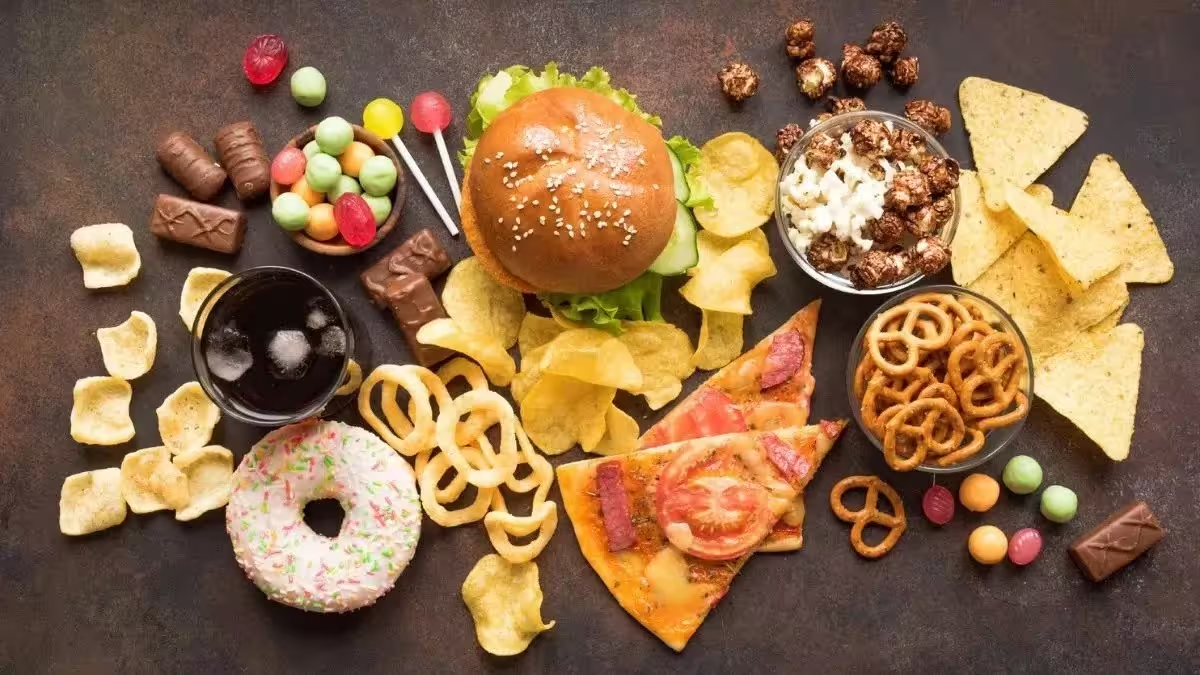
Nutrition scientists point to several mechanisms: ultra-processed foods are often engineered for maximum palatability and convenience, promoting excessive calorie intake; they tend to displace whole foods that supply fiber, vitamins and essential nutrients; and certain additives and processing techniques may alter metabolism and gut health. Imagine consuming a steady diet of sodas, chips and packaged sweets—over time that pattern nudges population-level risk factors upward.
Industry pushback and definitional gaps
Industry groups and trade associations have disputed characterizations that single out processing alone as the cause of harm. Sarah Gallo, senior vice president for product policy at the Consumer Brands Association, said brands are working to improve nutrition—adding protein and fiber, removing artificial colors—and warned that there is no universally accepted scientific definition for "ultra-processed" foods. She argued that classifying foods as unhealthy solely because they are processed risks misleading consumers and exacerbating health inequities.
What this case could change
Beyond potential damages, the case raises questions about corporate responsibility, product reformulation, and the role of marketing in shaping diets. If municipalities succeed, we might see tighter regulations on labeling, advertising to children, and municipal efforts to steer procurement toward minimally processed options. For scientists and policymakers, the lawsuit opens another front in efforts to reduce diet-related disease at the population level.


Leave a Comment
Comments
No comments yet. Be the first.