
5 Minutes
Black sesame is everywhere right now. On social feeds, in smoothie bowls, and splashed across glossy food blogs, it wears a halo of health claims: lowers blood sugar, protects the heart, even reverses gray hair. Sensible curiosity follows hot trends. So what does the science actually say?
What black sesame is and why it got famous
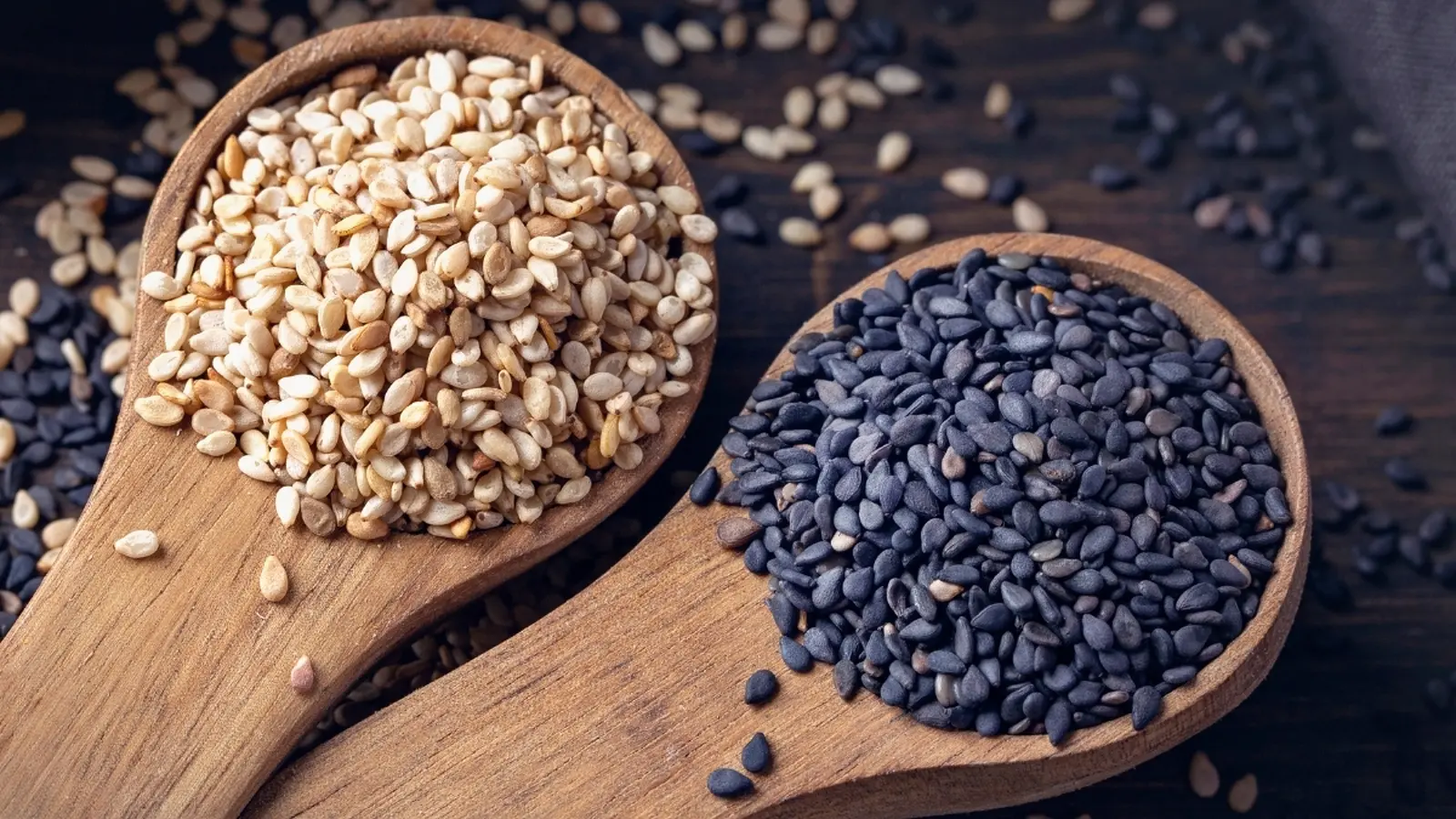
Sesame seeds come in several colours—white, yellow and black—and have been a culinary staple across Asia for centuries. Their appeal is simple: a pronounced nutty flavour and a dramatic dark hue that photographers adore. Beyond taste, sesame seeds are an oil- and protein-rich ingredient; their total fat content can range roughly from 50% to 64% by weight, which is why sesame oil remains prized in many cuisines.
Black sesame has earned particular attention because analyses show modest differences in macronutrients and micronutrients compared with white sesame. Per 100 grams, black seeds often register slightly higher fat, protein and carbohydrate values, and a greater concentration of some vitamins and minerals. But remember: 100 grams is a lot—about two-thirds of a metric cup—and most people consume sesame as a garnish or in small quantities (tahini, halva, sesame bars), not as a staple eaten by the spoonful.
Nutrients, anti-nutrients and antioxidants
Seeds are compact nutrition. They contain essential minerals like iron, calcium and zinc, and they deliver energy-dense fats, including unsaturated varieties that are generally considered heart-friendly. Black sesame also contains notable phenolic compounds—lignans such as sesamin—that show antioxidant activity in laboratory studies.
Antioxidants mop up free radicals, unstable molecules formed during normal metabolism and increased by UV exposure, pollution and smoking. In test-tube and animal models, sesamin and related lignans have demonstrated antioxidant effects, and researchers have observed promising actions: modest cholesterol-lowering, reductions in blood pressure, and even anti-tumour signals in some contexts. But laboratory effects don’t always map directly to meaningful human outcomes. Dose, bioavailability, and how a compound behaves inside a living body are critical.
There’s another side: anti-nutrients. Sesame seeds contain oxalates and phytic acid, compounds that bind minerals and can reduce absorption of iron, calcium and zinc. For most people eating normal amounts, anti-nutrients are not a health threat; for someone with an existing mineral deficiency, however, boosting sesame intake without guidance may not be wise. Consulting an accredited dietitian is a sensible step if you’re concerned.

Clinical evidence: what trials have shown
Human trials on sesame (seeds, oils, or extracts) exist, but they are varied in quality and design. A systematic review pooled six studies involving a total of 465 participants and reported statistically significant reductions in body mass index, blood pressure and cholesterol after short interventions—typically four to eight weeks—with sesame doses ranging from about 0.06 g to 35 g per day. Sounds promising. But the caveat is large: many of these trials were small, some lacked placebo controls, and several did not use double-blind methods. In short, the evidence was graded as low quality by the reviewers, who therefore stopped short of issuing clinical recommendations.

Only one trial in that review specifically tested black sesame seed. Participants with prehypertension took 2.52 g daily in capsule form for four weeks; their average systolic blood pressure dropped from about 129 mmHg to about 121 mmHg. A measurable change. But it was a short study, with limited participants. More rigorous, larger-scale trials are needed to confirm whether small, sustained doses of black sesame bring clinically meaningful cardiovascular benefits across broader populations.
Myth-busting: can black sesame reverse gray hair?
There’s no scientific evidence that any food or supplement can reverse established gray hair. Hair pigmentation involves complex genetics, aging-related changes in melanocyte function, and sometimes disease processes. Attractive as the claim is, black sesame has not been shown to restore natural hair colour in controlled human studies.
So why do these stories spread? They mix plausible biology (antioxidants protect cells) with wishful thinking (eat this, and youth returns). Online virality favors clarity and novelty, not nuance. We should demand both from our headlines.

Risks and practical advice
Allergy is the clearest risk. Global estimates suggest about 0.1% to 0.9% of people are allergic to sesame, and that rate appears to be rising. Reactions can be mild or life-threatening; anaphylaxis requires immediate emergency care. If you have a known food allergy or suspect one, avoid sesame and seek professional testing.
For most people, black sesame is a flavorful addition—useful in dressings, baked goods, tahini or sprinkled on salads. Choosing black over white sesame will not dramatically change health outcomes for someone with an otherwise balanced diet. If you want to try it for potential cardiovascular or metabolic benefits, view it as a complementary habit, not a cure. Pay attention to serving sizes. And discuss supplementation with a clinician if you’re on medication or managing chronic conditions.
Expert Insight
"Black sesame shows interesting biochemical activity in the lab, particularly because of sesamin and other lignans," says Dr. Maya Hernandez, a nutrition scientist who studies plant bioactives. "But translating those effects into consistent clinical gains requires larger, longer, well-controlled trials. For now, enjoy black sesame for flavour and variety—don’t expect it to be a magic bullet."
Black sesame is a worthy culinary and nutritional curiosity. It offers antioxidants and healthy fats, but claims that it dramatically reduces disease risk or restores hair colour outpace the evidence. The simplest approach is also the smartest: diversify your diet, prioritize whole foods, and treat viral food claims with a measured dose of skepticism and a readiness to look for solid clinical proof.














Leave a Comment
Comments (2)
Tastes great and the photos are gorgeous, but the health hype feels overcooked. Use it in tahini or dressings, enjoy the flavour, not a miracle cure. small portions, watch allergies — anyone tried the capsules?
Really? Black sesame lowering BP and reversing grey hair? Lab results are neat but people arent test tubes. Need bigger, longer trials if that's real… also phytic acid/oxalates matter, ppl with deficiencies be careful.