
4 Minutes
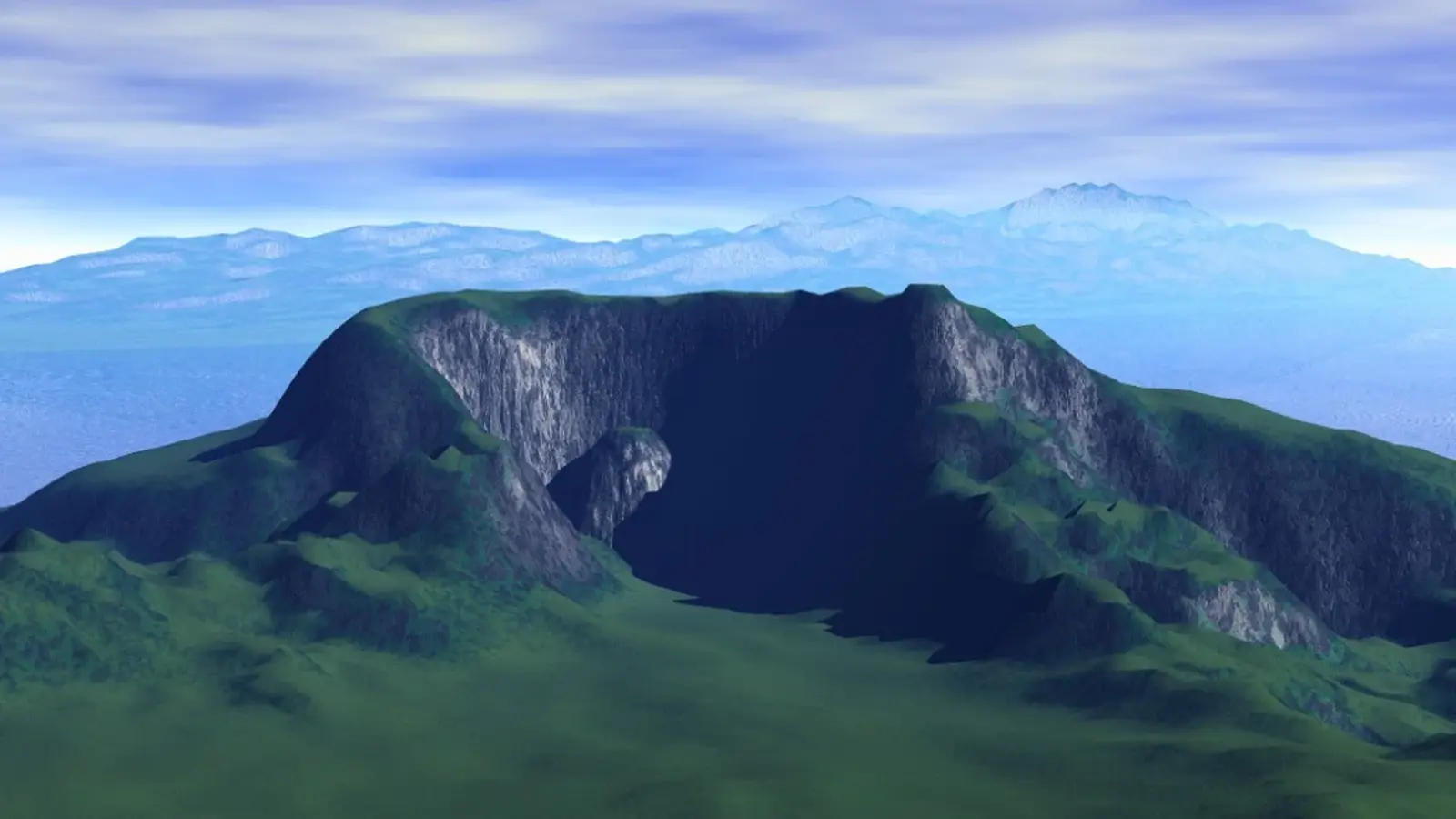
A volcano can look dead for thousands of years and still be very much alive below the surface. That is the unsettling message from new research on Methana, a volcano near Athens, where scientists found signs that long periods of silence may hide deep magma buildup rather than true extinction.
The study, led by volcanologists at ETH Zurich, traced roughly 700,000 years of Methana’s underground history and found something striking: the volcano’s longest quiet spell appears to have matched a surge in magma activity beneath the ground. In other words, no eruption at the surface did not mean nothing was happening. Far from it.
That matters because volcanic risk assessments often treat extreme inactivity as a sign that a volcano has shut down for good. In many cases, a volcano that has gone quiet for around 10,000 years may be labeled extinct or effectively harmless. Methana tells a more complicated story.
Researchers examined rock samples from 31 sites linked to the volcano’s past eruptions, building a timeline that stretches across a hot-and-cold volcanic life spanning hundreds of thousands of years. At the heart of the discovery were zircon crystals, tiny mineral grains that form in magma and preserve a remarkably detailed record of when they crystallized.
These crystals are invaluable to geologists. They behave almost like microscopic black boxes, locking in timestamps through radioactive elements such as uranium. By dating more than 1,250 zircons from Methana, the team reconstructed the volcano’s hidden behavior with unusual precision.
What emerged was a paradox. The strongest wave of zircon formation happened during Methana’s longest dormant interval, between about 280,000 and 170,000 years ago. That burst of crystal growth points to substantial magma generation below the volcano, even though the surface remained eerily quiet.
According to senior author Olivier Bachmann of ETH Zurich, volcanoes can continue to “breathe” underground for millennia without producing an eruption. It is a vivid phrase, and in this case, an accurate one. Methana may have appeared asleep, but deep inside, the system was still working.

The explanation lies in the tectonic setting of the South Aegean Volcanic Arc, where Methana sits as its westernmost volcanic center. This geologically restless region was created by subduction, the process in which one tectonic plate slides beneath another. As that descending plate carries seafloor sediments and water into Earth’s interior, the added water helps trigger magma production in the mantle.
But there is a catch. Water-rich magma does not always rise quickly. The same hydration that fuels melting can also promote crystallization, making magma thicker, stickier, and less mobile. The ETH Zurich team’s modeling suggests that this denser, crystal-rich magma can stall at depth, slowing its ascent and reducing the chances of frequent eruptions at the surface.
That means long volcanic silence may sometimes reflect traffic underground, not emptiness. Lead author Răzvan-Gabriel Popa argues that many volcanoes in subduction zones could be periodically fed by unusually wet primitive magma, a process that may be more common than scientists once assumed.
Methana is no minor curiosity. The volcano has produced more than 31 eruptions over the past several hundred thousand years, including three explosive events. Its most recent known eruption was observed around 2,250 years ago and even recorded by the ancient Greek geographer Strabo. So while Methana has not erupted in modern times, it is hardly a relic from a dead geological past.
The broader implication is hard to ignore. Around the world, communities live near volcanoes that have been quiet for ages and are often regarded as spent forces of nature. This research suggests some of those long-slumbering systems may still be accumulating magma in silence, potentially setting the stage for future eruptions long after people have stopped worrying.
For hazard agencies, that raises a serious challenge. Dormancy alone may not be enough to declare a volcano safe. Scientists say better monitoring of gas emissions, ground deformation, volcano-tectonic earthquakes, and gravity changes could help reveal whether apparently extinct volcanoes are slowly reawakening beneath the surface.
Sometimes the most dangerous volcano is not the one already erupting, but the one that has been quiet long enough for everyone to believe the story is over.






Leave a Comment
Comments (2)
how solid are zircon dates tho? Sounds plausible, but monitoring should back it up. Not convinced yet, need more data
Whoa, that’s eerie, a volcano 'sleeping' while magma piles up? Scary but fascinating. If this is common, lots of 'extinct' volcanoes could be ticking... yikes