
4 Minutes
What if a small pulse, delivered quietly beneath the skin, could steady a brain that has been sick for decades? That question is no longer rhetorical. A large clinical trial now suggests vagus nerve stimulation, delivered by a chest‑implanted device, can produce durable improvement for a subset of people with the most severe, treatment‑resistant depression.
The RECOVER trial enrolled nearly 500 adults across the United States who had already cycled through numerous treatments with little or no relief. On average they had tried 13 failed therapies and had lived with depressive illness for about 29 years; three‑quarters were unable to work because of it. For many, hope had run thin.
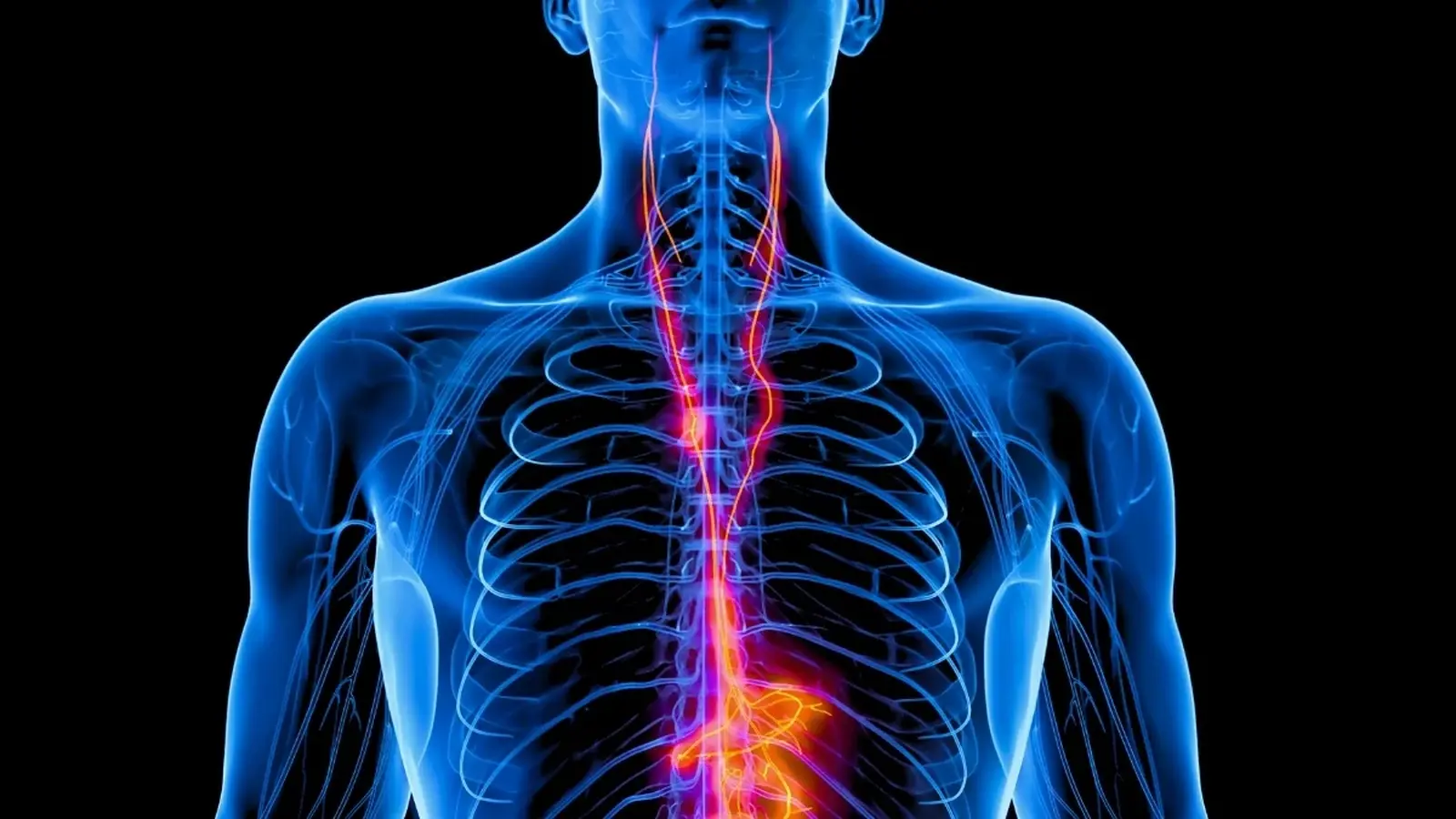
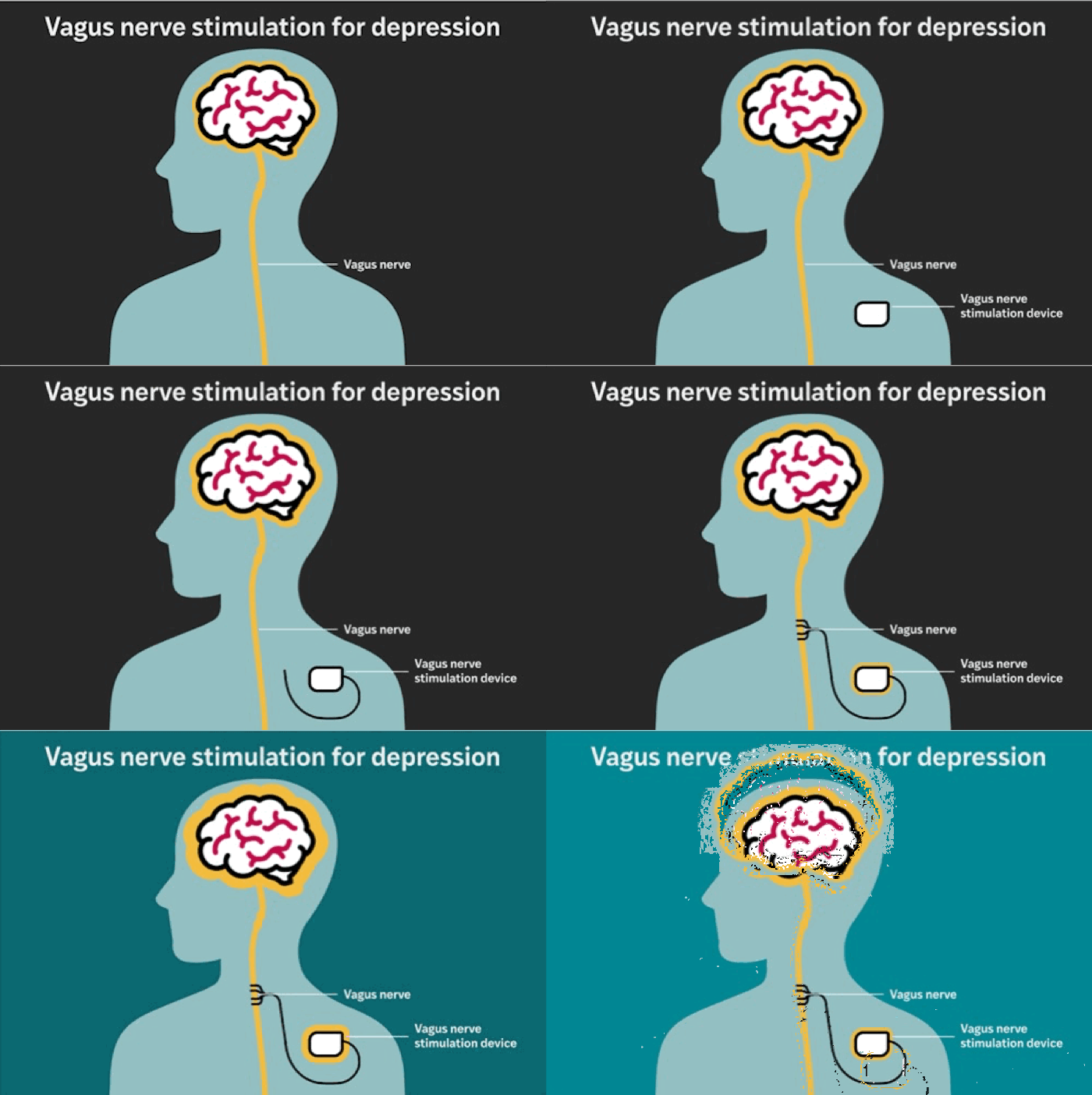
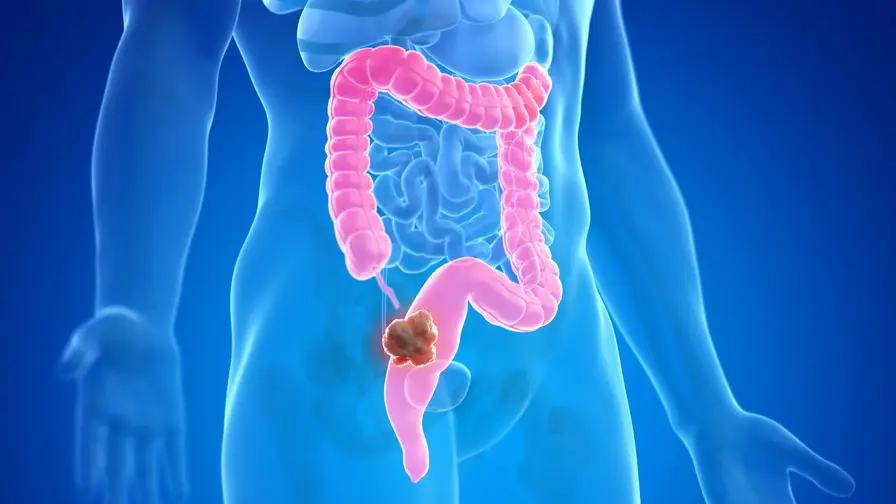
The therapy itself is straightforward in concept. A small generator, about the size of a pacemaker, is implanted under the chest and connected by a thin lead to the left vagus nerve in the neck. At programmed intervals the device delivers brief, low‑level electrical pulses that modulate the long neural highway linking brainstem centers to the heart, lungs and gut. Exactly how those pulses translate into mood improvement remains an active area of research. Still, the clinical signal is getting harder to ignore.
Vagus nerve stimulation provided substantial, long-lasting improvements for some participants with the most severe treatment-resistant depression.
The new 2026 report focuses on 214 trial participants who received active stimulation from the start. After 12 months, roughly 69 percent showed a meaningful improvement on at least one clinical measure. Those gains were not fleeting. More than 80 percent of those improvers maintained or improved their status at 24 months, measured across depressive symptoms, quality of life and daily functioning. Of the subgroup that experienced a robust response by 12 months — defined as symptom reductions of 50 percent or more — about 92 percent retained benefit two years on. In practical terms, one in five patients in this cohort were effectively free of depressive symptoms at the end of two years, a result that surprised the study team.
Patience appears to matter. Around a third of participants who had shown little or no response at 12 months went on to improve by 24 months. In other words, stimulation can be slow to act for some people, but delayed responses do occur, and they can be meaningful.
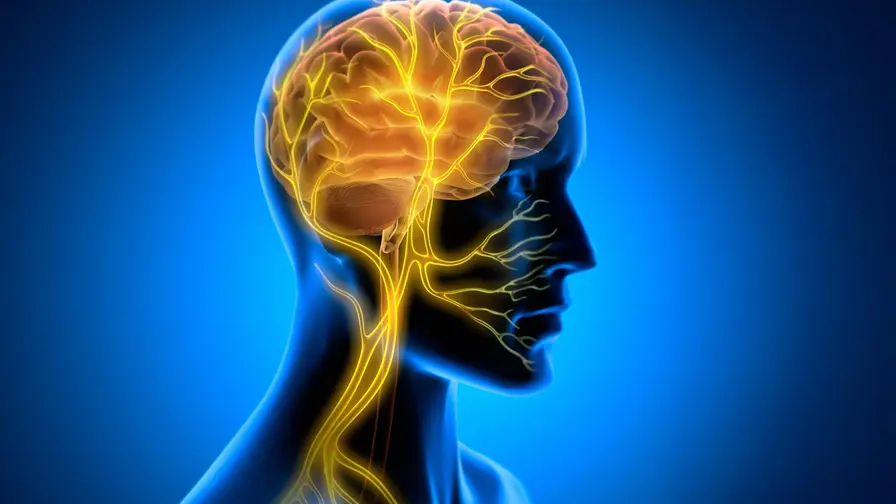
These outcomes do not mean VNS is a universal cure. Not everyone responds, and the effect is not immediate. The trial was also funded by the device maker, which is relevant to regulators and insurers who will weigh the evidence for coverage. The US Food and Drug Administration approved vagus nerve stimulation for treatment‑resistant depression in 2005, but the US Centers for Medicare and Medicaid Services currently does not cover the therapy. The RECOVER data were presented in part to inform that coverage debate.
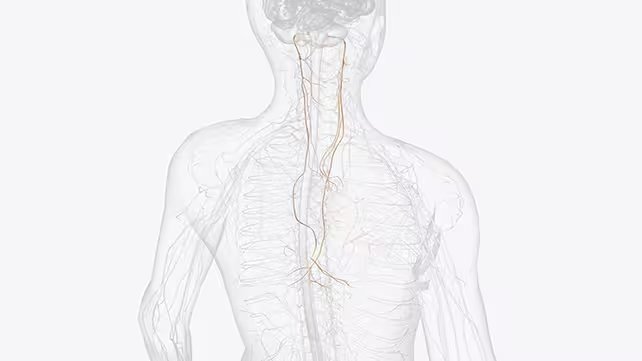
There are left and right vagus nerves in our bodies.
From a clinical viewpoint, the trial has a few striking elements. This cohort represents an unusually ill, highly treatment‑refractory sample — people who had spent decades battling symptoms. For such patients, even a partial, sustained response can change the shape of daily life: getting back to work, reengaging with family, finding enough energy to take a walk. These are tangible shifts, not abstract numbers on a chart.
For some patients with chronic, disabling depression, implanted vagus nerve stimulation produced durable, and in some cases transformative, benefit over two years.
There are open questions. Researchers are still probing the biological pathways by which vagal pulses influence mood circuits. Long‑term safety, predictors of who will benefit, cost‑effectiveness and how best to combine VNS with medications and psychotherapy are all active areas for follow‑up. And because change can be gradual, clinicians and patients will need to weigh the prospects of delayed improvement against the risks and costs of surgery and device implantation.
The RECOVER findings do not end the search for better treatments, but they do alter the conversation. For patients who have exhausted conventional options, a tiny implanted device may offer something they have seldom seen: sustained hope.











Leave a Comment
Comments (2)
is this even true? trial funded by maker, delayed responses, surgery risks, who pays? i get the promise but skeptical, need more data
This gives me chills. ppl getting relief after decades, wow. Slow but real, hope... if only more could access it, insurance pls right?