
3 Minutes
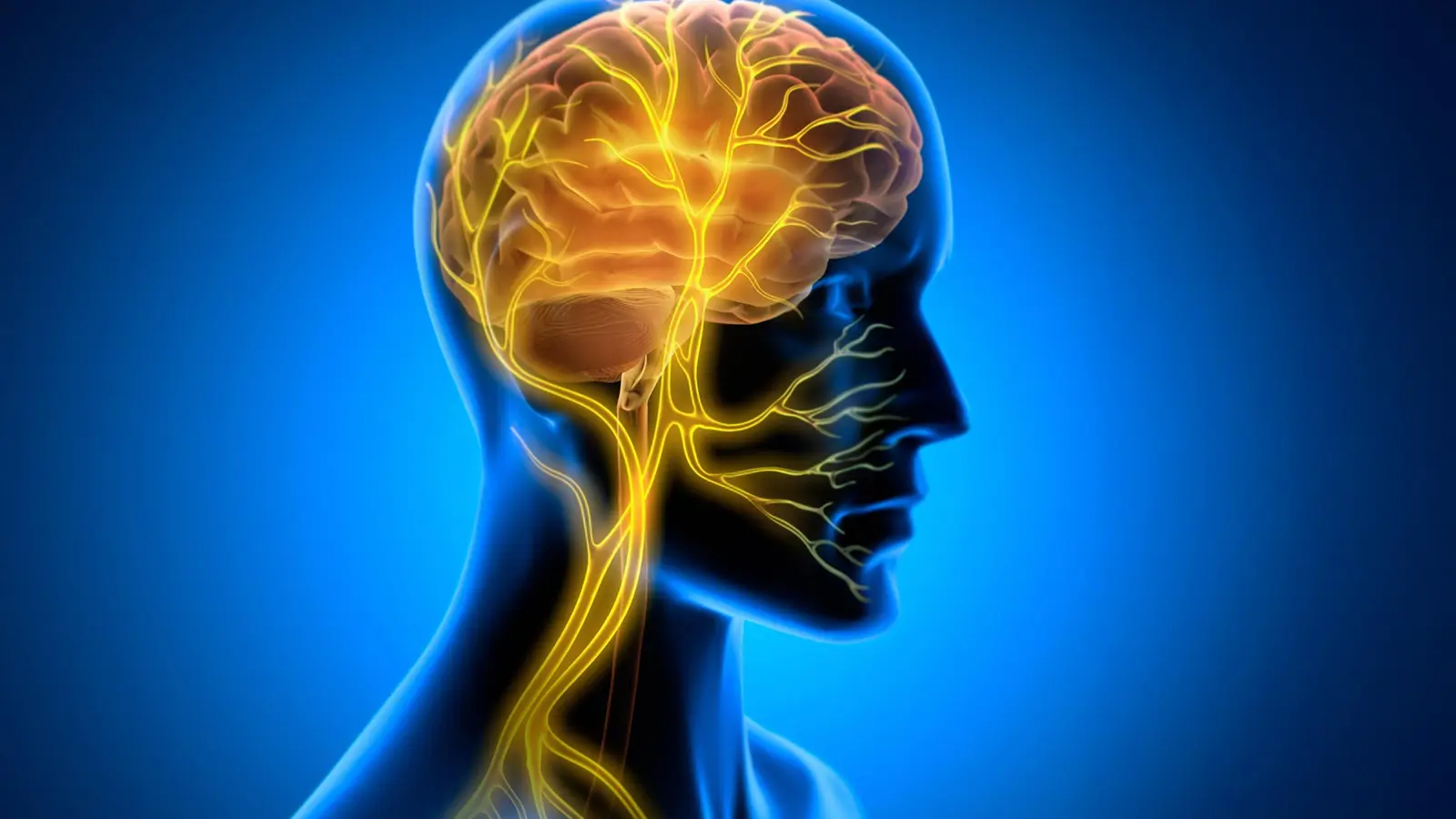
Scientists now point to an often-overlooked nerve as a major defender of heart health: the vagus. New translational research suggests keeping or restoring vagal connections to the heart—especially on the right side—can blunt cardiac aging, protect muscle cells, and preserve contractile strength long term.
Why the vagus nerve matters more than we thought
Heart aging is usually framed around lifestyle, blood pressure, and circulatory disease. This new study led by the Sant'Anna School of Advanced Studies in Pisa adds a different layer: neural control. The vagus nerve, a major parasympathetic pathway that links the brain to multiple organs, appears to slow age-related decline in cardiac tissue when its connection to the heart remains intact.
Project coordinator Professor Vincenzo Lionetti and his team report that when vagal innervation weakens or is lost, hearts show signs of accelerated remodeling and reduced contractility. Restoring even part of that nerve connection was enough to preserve healthier heart cells and maintain effective cardiac function, independent of baseline heart rate.
A bioengineering solution: guiding nerve regrowth at the heart
Combining experimental medicine with advanced bioengineering, researchers developed an implantable, bioabsorbable nerve conduit to encourage and guide regeneration of thoracic vagal fibers at the cardiac level. The conduit is designed to be temporary: it supports spontaneous regrowth and then degrades, minimizing long-term foreign material in the chest.
How the conduit works
- Scaffold guides: the conduit provides physical tracks and biochemical cues for regenerating axons.
- Bioabsorbable materials: the implant gradually dissolves once regrowth is established, avoiding chronic implant issues.
- Functional recovery: partial reconnection was found sufficient to reduce remodeling and maintain contractile performance.
Co-author Eugenio Redolfi Riva from the Biorobotics Institute describes the device as a neuroprosthetic bridge: a temporary structure that gives the vagus nerve a chance to re-establish meaningful cardiac links after injury or surgical disruption.
Large collaboration, major funding, and translational reach
The work was carried out in Pisa and funded by the European FET program under the NeuHeart project, with additional PNRR support from the Tuscany Health Ecosystem. The research is a multi-institutional effort including Scuola Normale Superiore, University of Pisa, Fondazione Toscana G. Monasterio, the CNR Institute of Clinical Physiology, and international partners in Germany, Switzerland, Kazakhstan, and beyond.
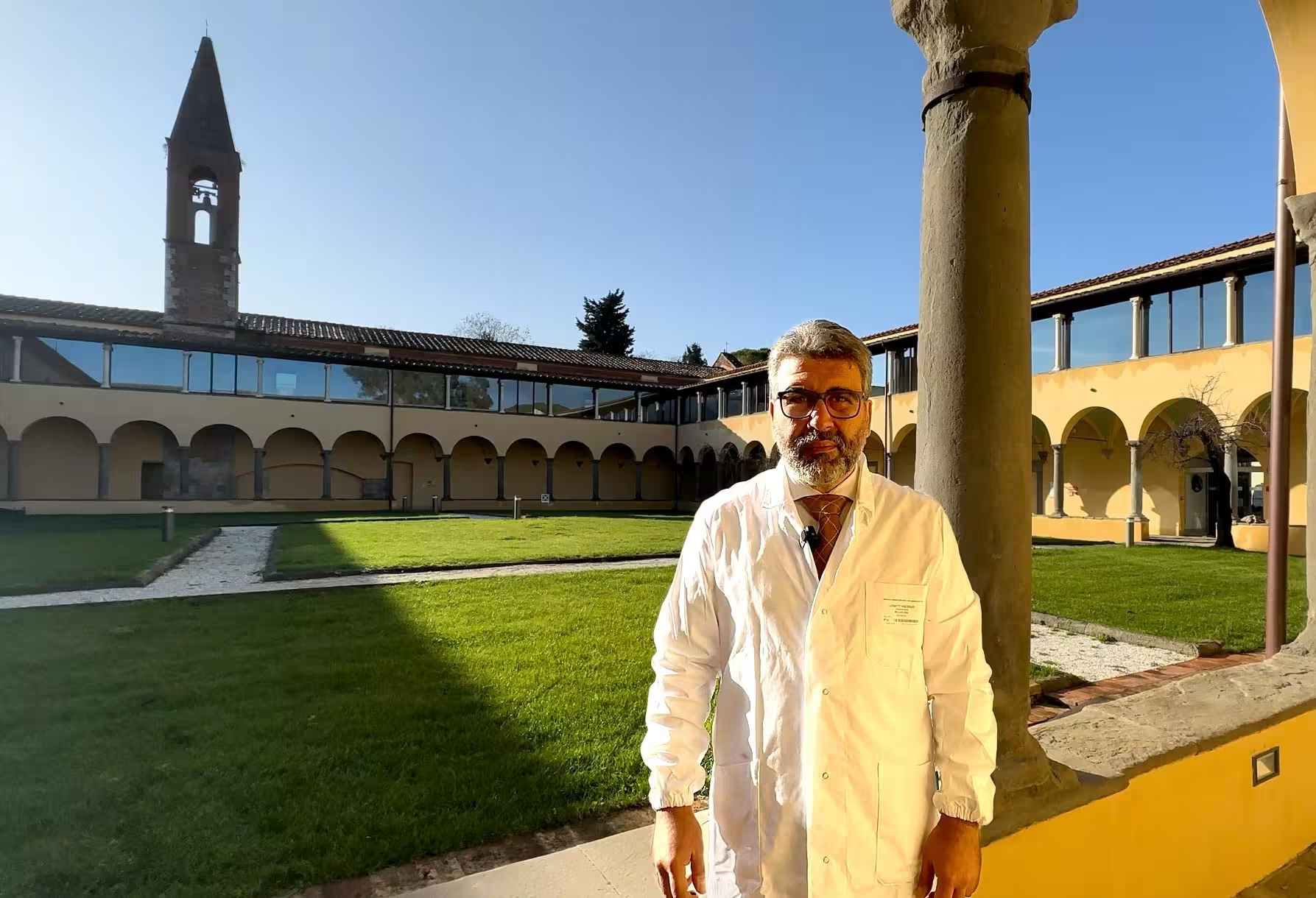
Vincenzo Lionetti, coordinator of the study, notes that integrating neuroscience and engineering produced the breakthrough: when the heart keeps its neural dialogue with the brain, it simply ages more gracefully.
Clinical cardiologist Anar Dushpanova of TrancriLab emphasized that complete nerve regeneration is not required; even partial vagal reconnection can counteract adverse remodeling. That finding lowers the technical bar for future therapies and increases the potential for real-world application.
What this means for surgery and transplant medicine
One immediate implication is surgical: reconnecting or protecting vagal fibers during cardiothoracic operations, including transplants, could become a preventive strategy against premature cardiac aging. Rather than only treating late complications, surgeons might proactively restore cardiac vagal innervation to protect function decades after an operation.
These results open new translational pathways spanning neurocardiology, reconstructive nerve surgery, and regenerative bioengineering. If replicated in human trials, the neuroprotective approach could reshape long-term cardiac care.









Leave a Comment
Comments
No comments yet. Be the first.