
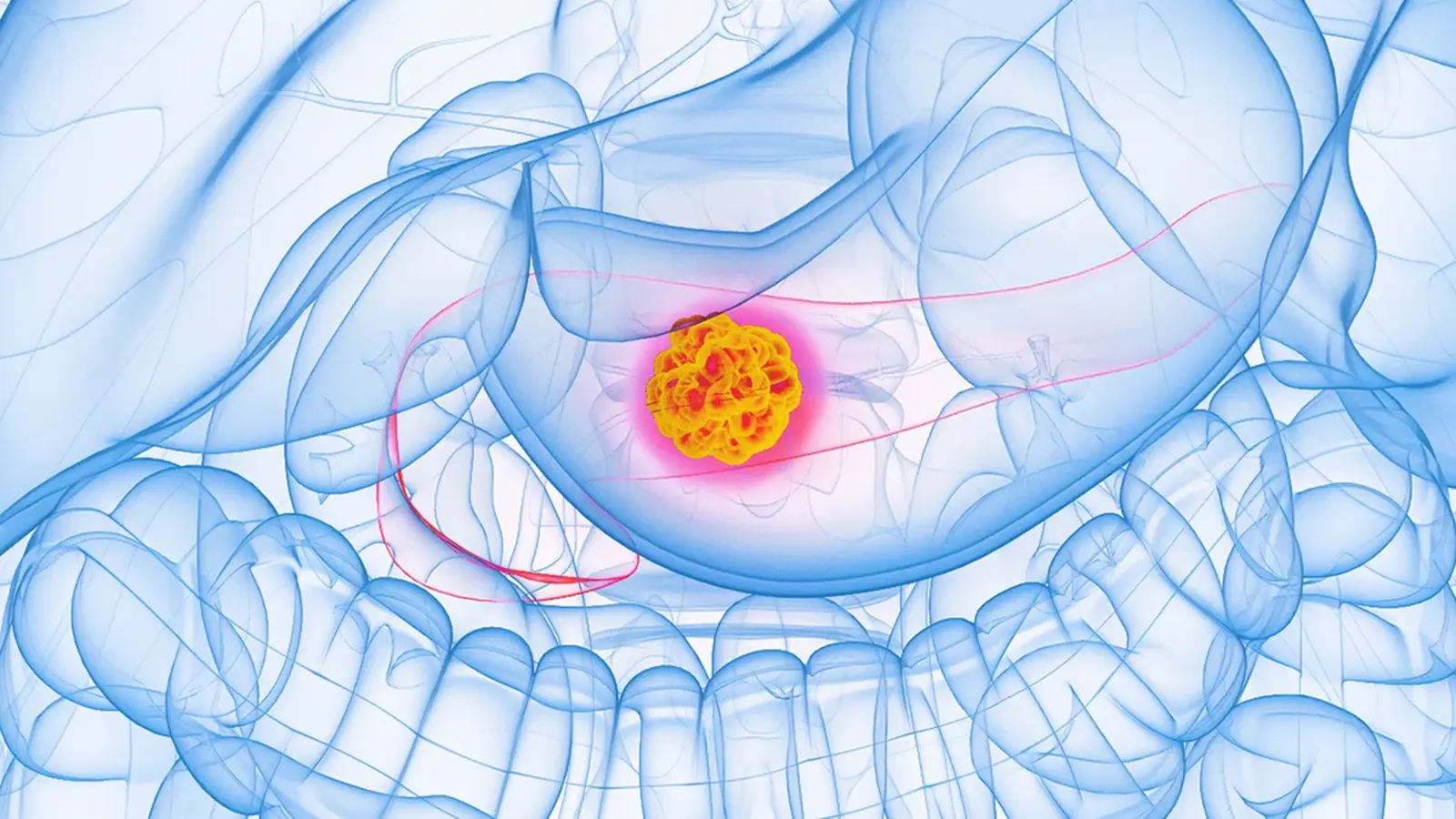
What if the long-dismissed label “undruggable” was simply a challenge in disguise? Researchers at Florida A&M University College of Pharmacy and Pharmaceutical Sciences have been chipping away at that challenge, and their newest lab findings read like a bold first chapter rather than a tentative footnote.
Pancreatic ductal adenocarcinoma—shortened to PDAC—kills quietly and fast. Most of these tumors are fuelled by mutant forms of the KRAS gene, a molecular engine that revs cell division and drives invasion. For decades, KRAS has been a thorn in oncologists’ sides. Directly targeting its many mutant forms proved tricky, so the field tried detours and workarounds. What the Florida A&M team did instead was redesign the map.
They tested a family of molecules called polyisoprenylated cysteinyl amide inhibitors, or PCAIs. These compounds don’t try to lock onto one specific KRAS mutation. Rather, they interfere with the abnormal protein interactions that let mutant KRAS send rogue signals through the cell. The result? A multi-pronged disruption of the cancer’s mobility and survival systems.

Increasing concentrations of NSL-YHJ-2-27 led to increased markers of programmed cell death in pancreatic cancer cells.
One compound stood out: NSL-YHJ-2-27. In lab-grown pancreatic cancer cells, it blocked more than 90 percent of cell migration at surprisingly low doses. Short sentence. Big effect. That statistic matters because migration is the first step toward metastasis—the moment cancer escapes its origin and becomes lethally hard to control.
Under the microscope the PCAIs did several things at once. They amplified genes that act like brakes on cancer, tamped down genes that promote spreading, and lowered levels of proteins that cells use to crawl. Even the cell’s internal scaffolding—actin filaments—fell apart. When a cell loses its structural integrity, it cannot move or invade neighboring tissue effectively.
There was another twist that caught the researchers off guard. In three-dimensional mini-tumor models—systems that better mimic real tissue—PCAIs still triggered cell death and tumor breakdown, but not by simply silencing growth signals. Instead, key signaling pathways surged into overdrive. That hyperactivity appears to trigger a buildup of reactive oxygen species, pushing cancer cells toward programmed cell death. It’s a paradoxical strategy: overstimulate the engine until it seizes.

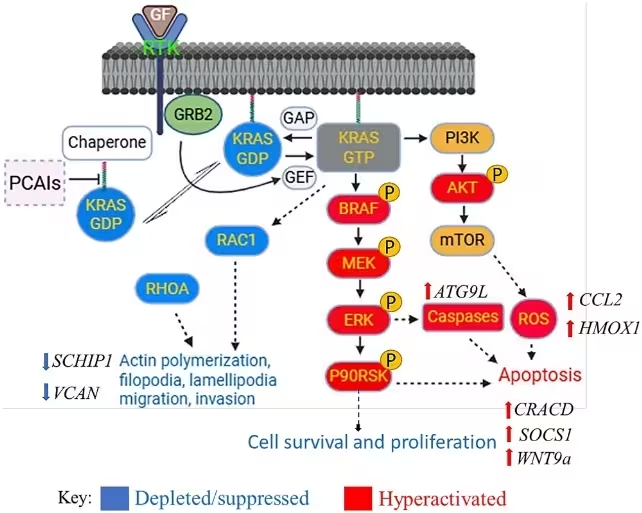
A summary of the overall effects of PCAIs treatment on cancer cells. Blue marks depleted or suppressed pathways; red marks hyperactivated ones.
The lab results suggest PCAIs could prevent metastasis in cancers driven by multiple KRAS mutations.
That caveat—these are laboratory models, not living patients—deserves emphasis. Cells in a dish and tiny 3D tumor models reveal mechanisms and promise, but they cannot tell us how a drug behaves in an animal or a human. Safety for healthy tissues, metabolic stability, dosing windows, and real-world efficacy remain unanswered questions. Animal studies and careful toxicology will be needed before anyone talks about clinical trials.
Still, the potential reach of this approach is notable. KRAS mutations are not unique to the pancreas; they’re implicated in roughly 30 percent of solid tumors, including many colorectal and lung cancers. Early data show these PCAIs work across several KRAS variants—KRAS-G12C, G12D and G12V among them—hinting at a pan-KRAS strategy rather than a one-mutation-one-drug model.
Why does that matter? Because targeted therapies that rely on hitting a single mutation run into resistance as tumors evolve. A therapy that disrupts the protein-protein choreography around KRAS could sidestep some of those escape routes. Imagine yanking out a few keystone bricks from a bridge instead of repeatedly patching cracks: the structure collapses differently and, crucially, more completely.
The study appears in Oncotarget and builds on previous work showing PCAIs affect breast, lung, and prostate cancer cells with mutant KRAS. The Florida A&M team are clear-eyed about the road ahead: they need to pin down the exact mechanisms responsible for the lethal signaling spike, test for collateral damage to normal cells, and move into animal models to assess whether the promising lab-side collapse translates into real, durable tumor control.
There is no single silver bullet in oncology, but this is a reminder that sometimes the smartest approach is to change the problem, not just the weapon. If PCAIs continue to perform, they may rewrite how researchers approach cancers once considered untouchable.

Leave a Comment
Comments (2)
sounds cool but is this reproducible? lab spheroids are neat, yet they dont tell you about toxicity in real tissues. curious tho, hopeful
Wow, that overstimulate-until-it-seizes idea actually gives me goosebumps. PCAIs blocking migration so strongly is huge, but pls—let’s see animal safety, metabolism, dosing…