
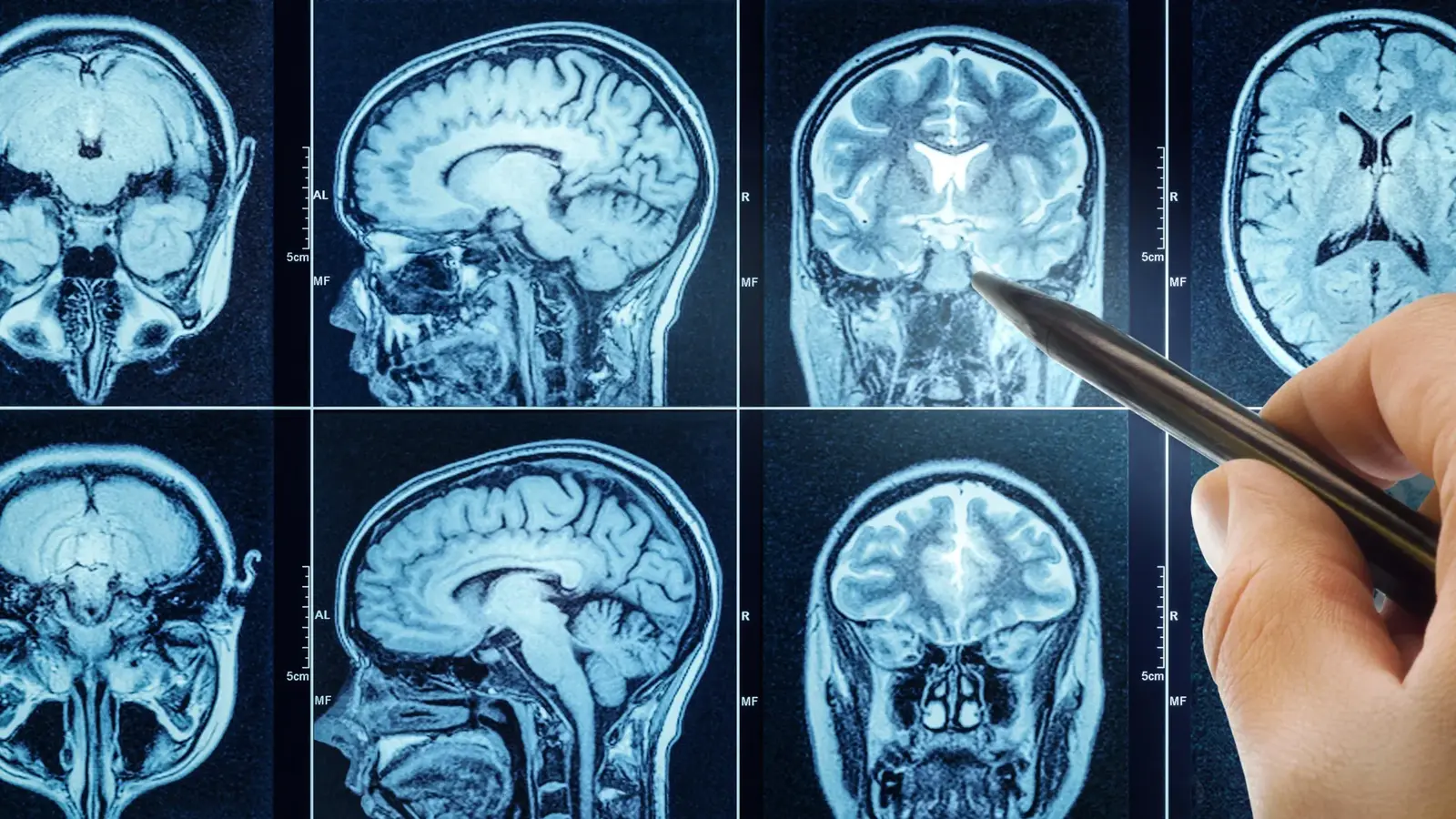
You could be carrying an older brain than your birth certificate indicates. Short of symptoms, the difference is invisible, but it may be written into the way your brain regions talk to each other — and whispered by microbes living in your gut.
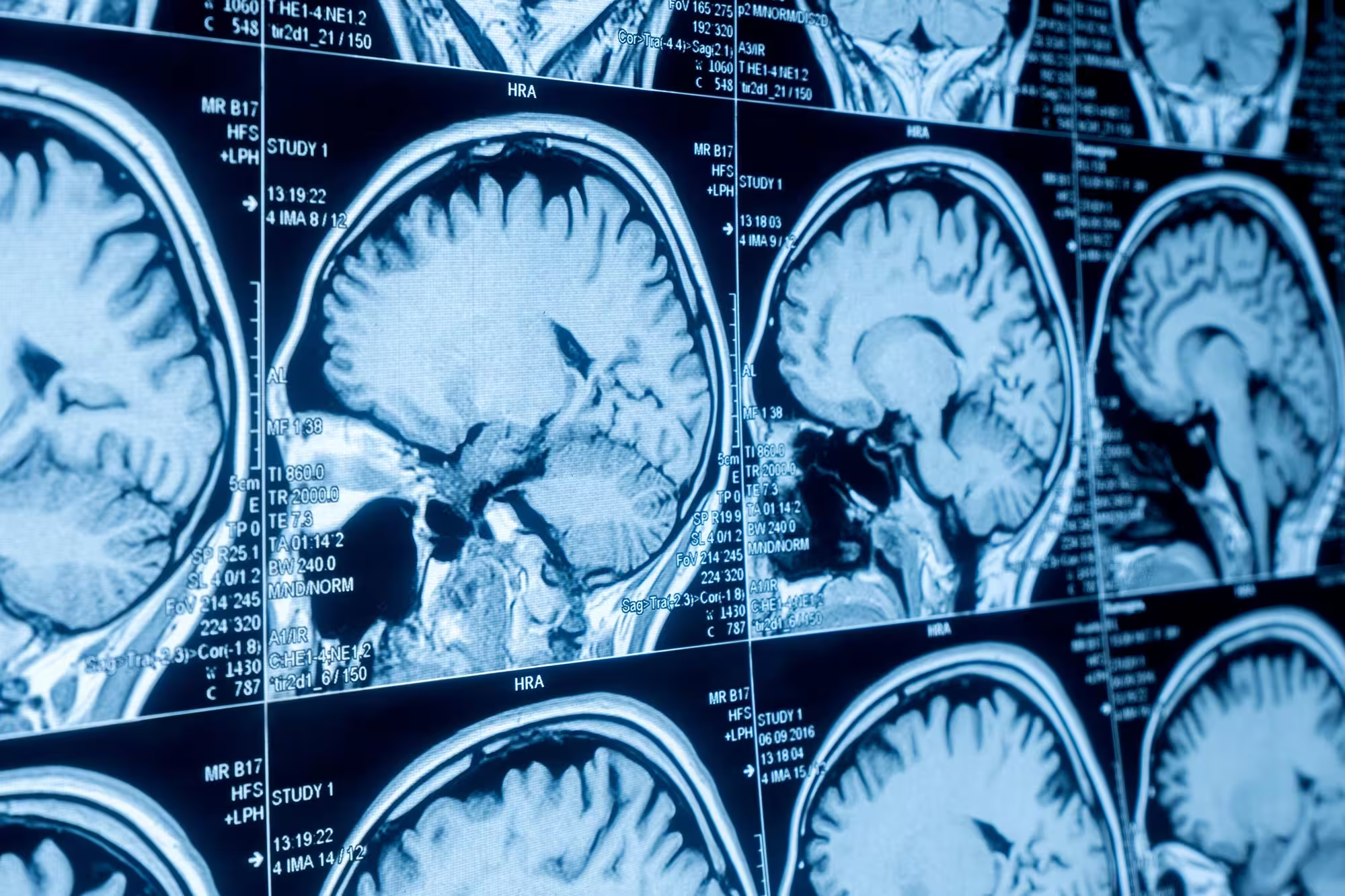
Researchers at UCLA Health analyzed nearly 1,500 resting-state brain scans from three separate adult groups and found a repeatable pattern: some brains look older than their owners. Rather than hunting for lost tissue or obvious damage, the team focused on communication patterns between brain regions. A machine-learning model translated those functional connectivity maps into an estimated brain age. Subtract a participant's chronological age from that estimate and you get what the scientists call the Brain Aging Index, or BAI.
Higher BAI scores were not just numbers on a screen. People with older-looking brains performed worse on tests that tap working memory, attention and organization. Their scans showed consistent changes in networks tied to memory and self-reflection. They also reported more depressive symptoms. The signal showed up across the three cohorts, suggesting the pattern is robust even in generally healthy adults.
One group in the study provided stool samples, and that is where the story took an unexpected turn. A higher BAI correlated with specific gut microbes and metabolic byproducts: several lipid molecules, a cholesterol-related metabolite, and lower levels of the hormone estetrol. The biochemical footprints point to processes that matter to brain health — immune responses, blood vessel function, communication at synapses, and cellular energy production.
Think of the gut-brain link as an early-warning system. The microbes you host can shape circulating metabolites that nudge inflammation, alter vascular health, or influence how brain cells signal and generate energy. Those nudges, over years, may tilt the brain toward an older functional profile long before memory problems surface.
Lead investigators suggest these findings could make it possible to detect biological signs of brain aging decades before clinical decline appears. Identifying people with an elevated BAI might one day allow targeted strategies to preserve cognition, from lifestyle changes to microbiome-directed therapies. The study does not prove cause and effect, but it opens a door: if gut-derived metabolites track with early brain aging, they may also be a lever for intervention.
Researchers caution that more work is needed to pin down which microbes or molecules are most influential, how they interact with genetics and environment, and whether altering them will change the brain's trajectory. Still, the UCLA study reframes brain aging as a long game with early fingerprints — fingerprints that, remarkably, may be found far from the skull.
If the gut keeps a record of the brain's future, what might we do differently today to rewrite that record?

Leave a Comment
Comments
No comments yet. Be the first.