
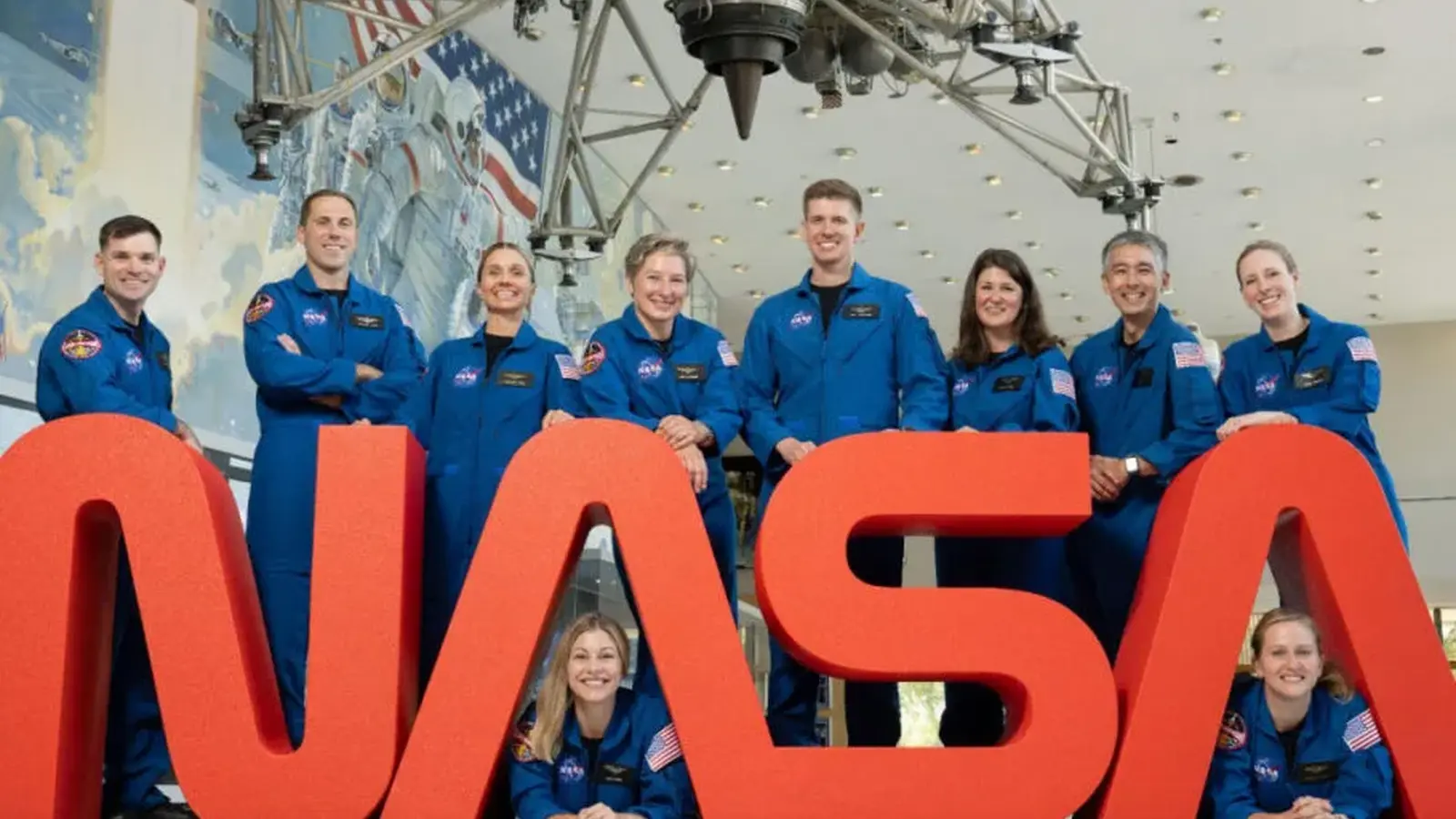
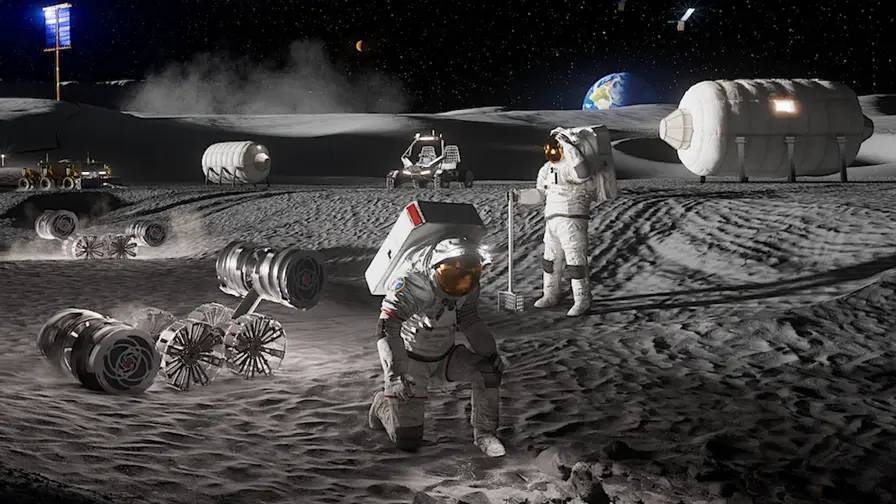
Dreamt of stepping onto lunar soil? NASA has just opened applications for a new class of astronauts who will not only fly spacecraft but also live and work on a future human outpost on the Moon.
NASA’s leadership stresses this will be no ordinary call-up. The agency says these missions demand technical excellence, sound judgment, teamwork and courage. They want people ready to face extreme challenges while supporting sustained human presence on our nearest neighbor.
Competition will be fierce. Today NASA has 32 active astronauts, and since the space age began in the 1960s about 370 people have been selected for astronaut candidacy. In the last recruitment round, more than 8,000 people applied and only ten made it into training. That gives you a sense of the odds — and the caliber required.
So who can apply? Any U.S. citizen can submit an application; there’s no official age cap. Applicants must hold at least a master’s degree in a STEM field — science, technology, engineering or mathematics. A recent and industry-shifting change now includes nursing: master’s-level nursing degrees are recognized under NASA’s STEM requirement, opening the door to healthcare professionals who want to serve in space.
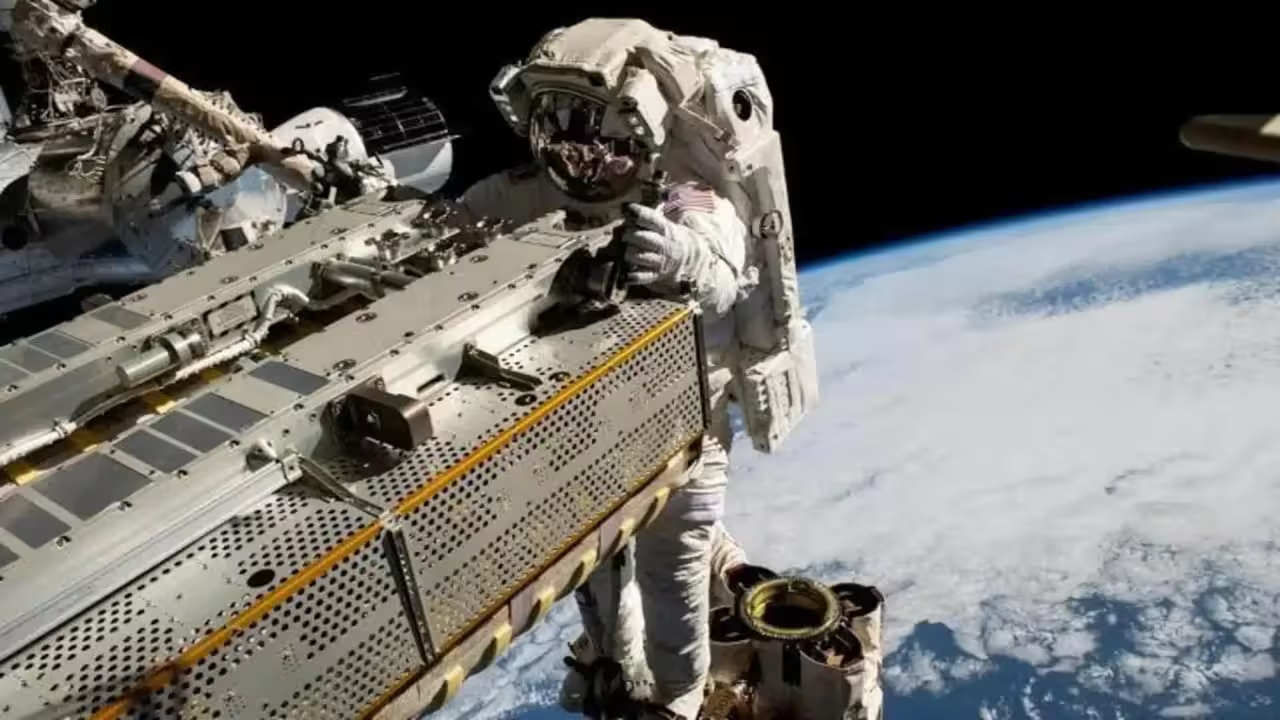
Educational credentials are only part of the story. Candidates must normally show three years of relevant, professional experience after graduation. But NASA will also consider alternatives: current doctoral students in STEM, licensed physicians and experienced pilots can count their clinical, research or flight experience toward that requirement.
Those chosen will enter a roughly two-year training program designed to prepare them for complex missions — including surface operations near the lunar south pole. To get humans back to the Moon, NASA is working closely with private partners such as Blue Origin and SpaceX to develop landers and transport systems. Agency officials have stated their aim to return astronauts to lunar surface missions by the late 2020s, and they expect the Artemis 3 mission to launch in 2027.
Pay matters, too. The starting base salary for selected astronauts is listed at $164,395 per year. If you meet the academic and experience thresholds and want to be considered, take note: the application window closes on December 3.
Ready to take the next step off Earth? If so, start the paperwork now — the Moon waits for very few.

Leave a Comment
Comments
No comments yet. Be the first.