

What if a simple, inexpensive pill could tilt the odds before leukemia ever takes hold? That provocative idea just gained traction in a small but carefully monitored clinical trial.
Researchers from the University of Copenhagen and the Van Andel Institute enrolled 109 people diagnosed with clonal cytopenia of undetermined significance (CCUS) or low-risk myelodysplastic syndrome (MDS) — pre-cancer blood conditions that can progress to acute myeloid leukemia (AML). Participants were randomized to receive either a daily 1,000 mg oral dose of vitamin C or a placebo, and were followed for about three years.
The exploratory findings, published this year in Cancer, were striking enough to demand attention: the vitamin C group showed a 65 percent lower risk of death compared with placebo during the https://www.sciencealert.com/a-cheap-daily-vitamin-shows-promise-for-people-at-risk-of-leukemia-early-trial-findsufollow-up window. Smaller rises in inflammatory biomarkers and a restoration of normal vitamin C levels in previously deficient participants were also reported. Fewer people who took vitamin C progressed to higher-risk disease (five versus nine), though that difference did not reach statistical significance in this modestly sized trial.
"We are tremendously excited and cautiously optimistic," said epigeneticist Peter Jones of the Van Andel Institute, reflecting the team’s hope that the intervention could one day improve outcomes for people with pre-leukemia disorders. The idea fits into a broader strategy called cancer interception: intervening early to stop malignant evolution rather than treating full-blown cancer later.
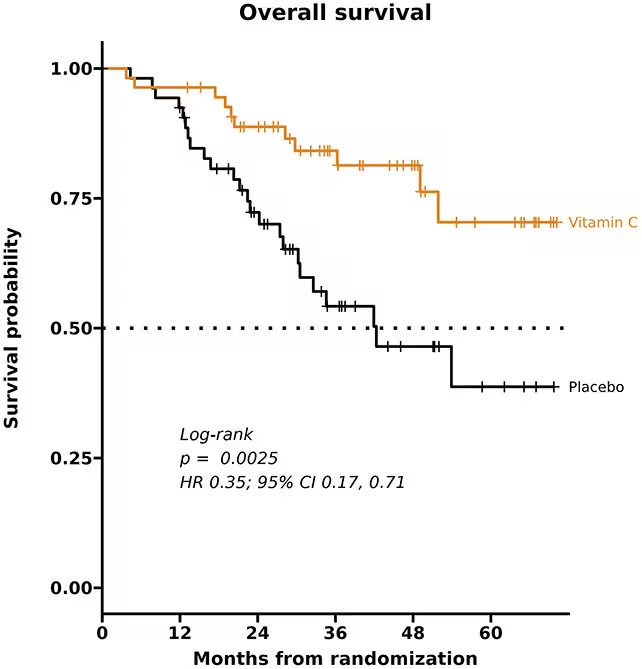
Better survival rates for those on vitamin C were among the report's key findings.
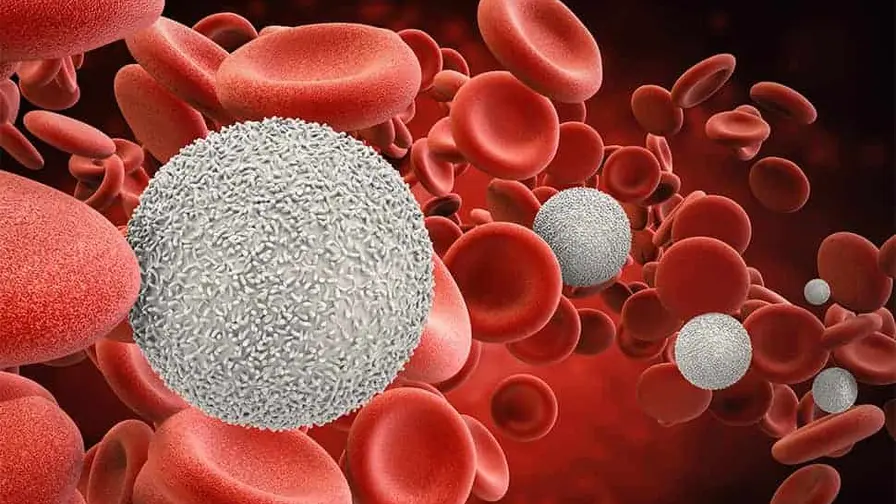
Why vitamin C? It’s more than a cold remedy. Laboratory studies have pinned vitamin C as a cofactor for the TET2 enzyme, a molecular workhorse that helps regulate gene activity via epigenetic marks. When TET2 falters — a common feature in CCUS and some MDS cases — cells can slip toward malignant behavior. The hypothesis is elegant: replenish vitamin C, keep TET2 humming, and reduce the biochemical nudges that steer cells toward leukemia. That mechanism was not directly proven in this trial and remains a key question for follow-up work.
Hematologists know the current reality well: many patients with early marrow abnormalities are told to "watch and wait." "It’s frustrating for patients," says Casey O’Connell of the University of Southern California. "You have a condition that raises leukemia risk and there's little you can do but monitor blood counts." A cheap, low-risk intervention that meaningfully lowers risk would change how medicine handles these borderland disorders.
There are reasons to be measured. The study was phase 2 and relatively small. Exploratory analyses can point to promising directions but are not definitive. The difference in progression counts (5 vs. 9) lacks statistical heft. Still, the survival signal and consistent changes in inflammation and deficiency correction add pieces to a plausible biological story.
Stine Ulrik Mikkelsen from the University of Copenhagen emphasized vitamin C’s broad roles in cellular health, including enzyme activity that sustains normal cell function. The team is now planning larger, phase 3 trials to test whether daily vitamin C can truly reduce leukemia incidence or extend survival, and to probe the biochemical details: does oral vitamin C restore epigenetic balance in blood cells with TET2 impairment? Does it alter the marrow microenvironment or immune surveillance in subtle ways?
The public-health appeal is obvious. Vitamin C is inexpensive, widely available, and generally well tolerated. If larger studies confirm benefit, clinical practice could shift toward an active prevention strategy for people identified as high-risk by genetic or hematologic screening. But until those trials report, the new results are best seen as an intriguing first step rather than a finished story.
Either way, the trial rekindles a simple, essential question: can modest, low-cost interventions applied early change the course of cancer? Science is leaning in to find out.

Leave a Comment
Comments (2)
is this even true? oral vit C restoring TET2 activity sounds neat, but 109 ppl and phase 2... can we trust the survival signal yet
wow this is wild, a cheap pill tilting leukemia odds? Sounds almost too good, still skeptical tho. fingers crossed, but need bigger trials, pronto