
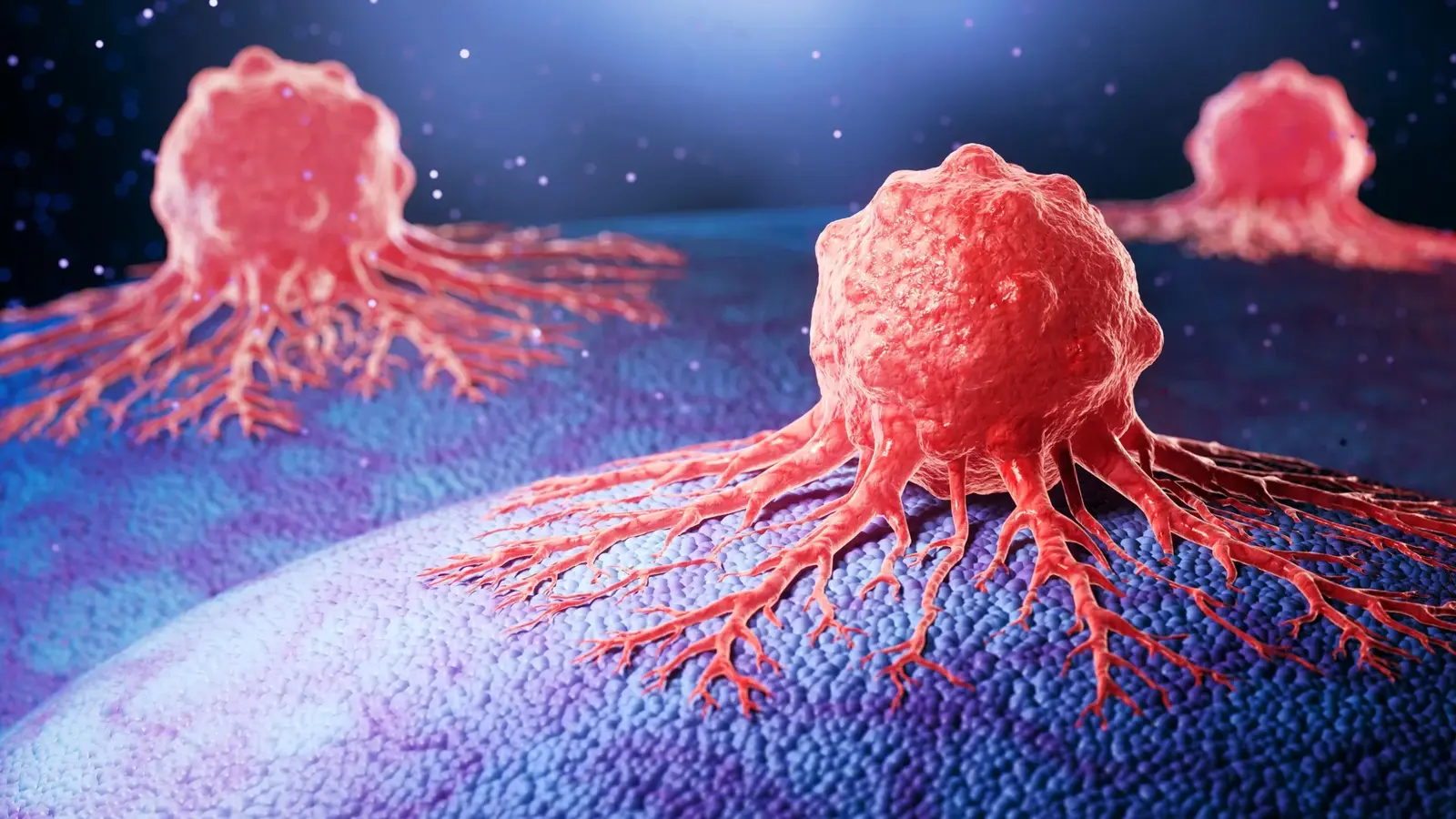
Imagine a stealthy accomplice inside a tumor, small enough to escape routine detection yet powerful enough to blunt the impact of chemotherapy. That is the unsettling image raised by a recent review in Cancer Biology & Medicine: bacteria living inside some tumors may be helping cancers dodge treatment.
Researchers from Nankai University, the University of Utah and Tianjin Medical University Cancer Institute & Hospital sifted through mounting evidence and landed on a provocative proposal: certain poor-prognosis tumors (PPO-tumors) should be regarded as potentially bacteria-infected. It’s a bold claim. And one that the authors repeatedly warn remains unproven in humans.
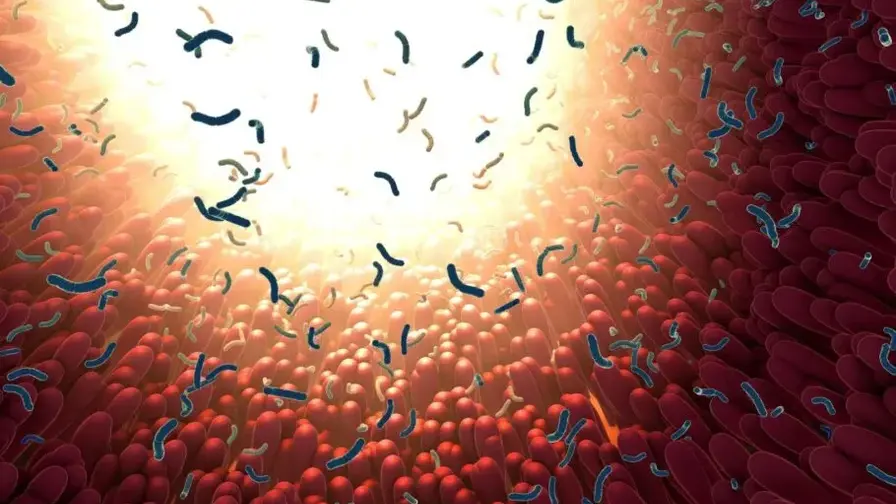
Why should we care? Because the list of cancers flagged as treatment-resistant—pancreatic, colorectal and some biliary tumors—overlaps with types where investigators have detected intratumoral microbes such as Fusobacterium nucleatum, Escherichia coli, Enterococcus faecalis and Pseudomonas species. These microbes are not innocent bystanders. Laboratory studies suggest they can stir inflammation, blunt local immune responses, and even chemically modify chemotherapy drugs so the agents lose punch.
Short sentence. Big problem.
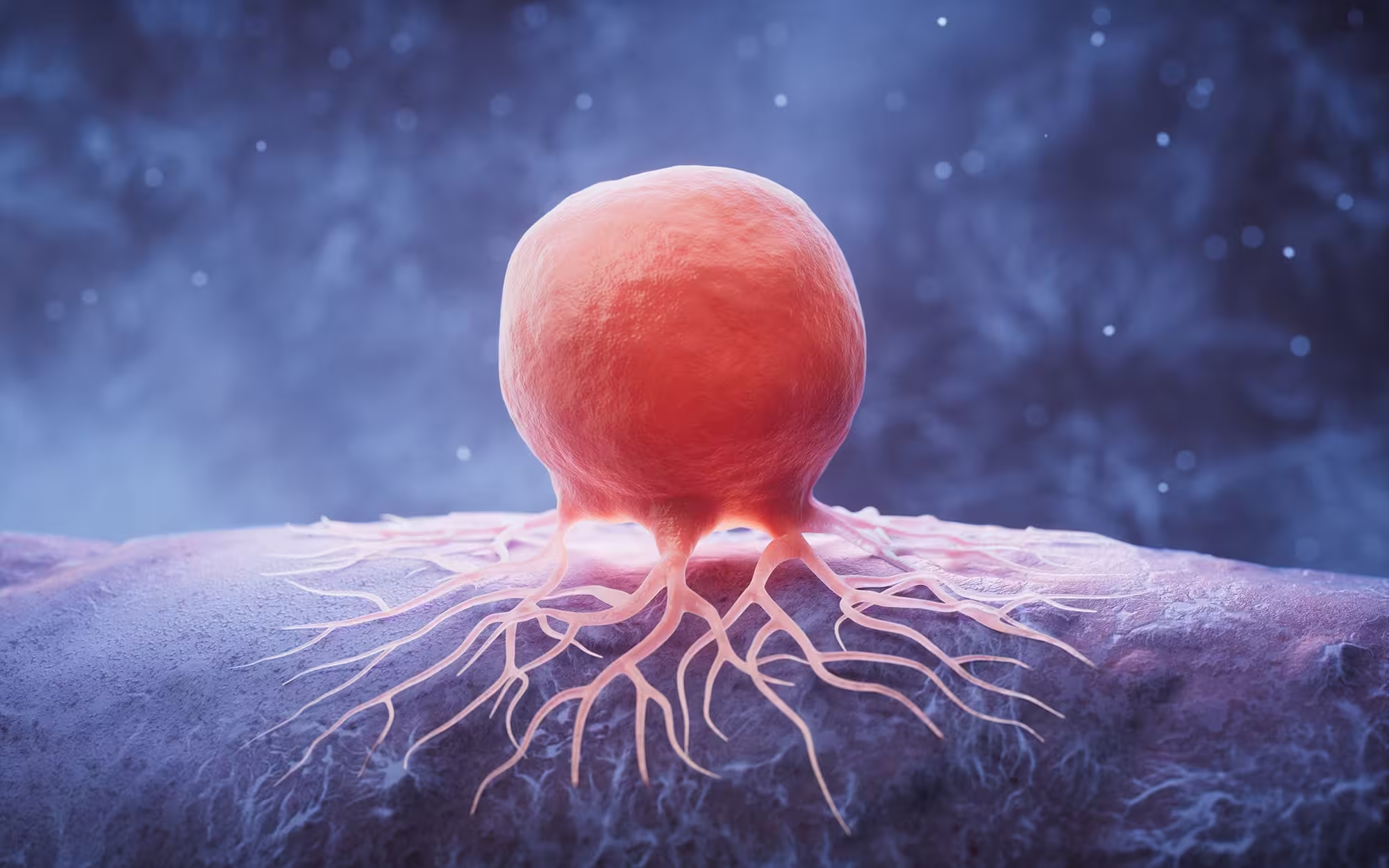
Take gemcitabine, a frontline drug for pancreatic cancer. In animal models, bacteria that express the enzyme cytidine deaminase can deactivate gemcitabine before it reaches cancer cells. Combine that with the dense, fibrous architecture of many human tumors—an obstacle course for drug delivery—and it becomes easier to see how a standard chemotherapy regimen might fall short.
The review also confronts another tangled thread: nanomedicine. For years, tiny drug-loaded carriers promised to sneak chemotherapy past biological defenses and deposit it precisely inside tumors. Promising in rodents. Less impressive in people. Part of the problem is the so-called EPR (enhanced permeability and retention) effect. Mouse tumors are often leakier and less fibrotic, so nanoparticles accumulate more readily. Human tumors? Messier. More complex. Less forgiving. The authors point out that translating animal-model success into human benefit has been overoptimistic.
Then there’s the twist. Some infections increase blood vessel leakiness. Could intratumoral bacteria, paradoxically, help nanoparticles or free drugs penetrate tumors better? Maybe. But that hypothesis is speculative and, to date, not convincingly demonstrated in clinical settings.
The most tangible near-term idea from the review is straightforward: test whether combining conventional antibiotics with chemotherapy—without fancy carriers—can restore drug sensitivity in certain infections-associated cancers.
Animal experiments provide a hint of hope. Models of bacteria-infected tumors treated with ciprofloxacin plus gemcitabine showed improved responses compared with chemotherapy alone. But translating those signals to patients is complicated. For one thing, we lack reliable, routine tests to detect bacteria inside living human tumors. Biopsies can miss patchy colonization. And treating blindly with antibiotics risks collateral damage to beneficial microbes and could accelerate antibiotic resistance.
Given those hurdles, the review authors advocate a pragmatic path: mine existing clinical records for evidence that patients who received antibiotics alongside chemotherapy fared better. Retrospective analyses could flag patterns worth testing prospectively. That approach won’t replace controlled clinical trials, but it could prioritize which tumor types and which patient subgroups deserve urgent study.
There are other caveats. The mere presence of microbes in a tumor does not prove they cause treatment resistance. Cancer genetics, immune evasion mechanisms and the stromal microenvironment all independently shape outcomes. And not every intratumoral microbe will behave the same way; some might be neutral or even protective.
So where does that leave clinicians and patients? For now, cautious curiosity. The tumor microbiome is a compelling piece of the puzzle, but not the whole picture. What this review does accomplish is force a useful reframe: therapies that ignore the microbial dimension may miss opportunities for improvement. Whether antibiotics will become part of standard regimens remains to be shown, but the idea is no longer fringe—it is a testable hypothesis that could reshape how we approach some of the deadliest cancers.
If future trials can pin down which infections matter, who is at risk, and how to treat them without creating new problems, an old class of drugs—antibiotics—may find a surprising new role at the front line of oncology.


Leave a Comment
Comments
No comments yet. Be the first.