

Peek beneath the neurons and something unexpected shows up: the brain's support cells are speaking a different language in men and women. That subtle difference could help explain why Parkinson's disease lands more often — and more harshly — on men.
At the FENS Forum 2026, researchers led by Julia Schulze-Hentrich reported gene-activity patterns from post-mortem brain tissue that reveal sex-linked signatures in glial cells. The team compared samples from 73 people with Parkinson's (45 men, 28 women) and 24 controls (15 men, 9 women), scanning five brain regions cell by cell. What emerged was not a single smoking gun, but a consistent theme: shared stress signals across both sexes, overlaid with clear, sex-specific differences in how support cells manage energy and protect nerve fibres.
Short version: neurons are not the whole story. Astrocytes — the star-shaped caretakers that mop up chemicals and feed neurons — showed differences in genes tied to mitochondria, the cellular powerhouses. Oligodendrocytes, the cells that wrap axons in myelin, revealed sex-dependent shifts in genes that build and maintain that insulating sheath. Put bluntly, the machinery that keeps nerve cells fueled and insulated looks different in male than in female brains affected by Parkinson's.
Not everything diverged. Across both sexes and all regions studied, cells flipped on chaperone proteins — molecular helpers that try to refold damaged proteins and limit toxic clumps. That shared response paints Parkinson's as a brain-wide stress reaction. But the extra layer of sex-specific gene activity in glia suggests why incidence, symptom profiles, and decline rates are not identical between men and women.
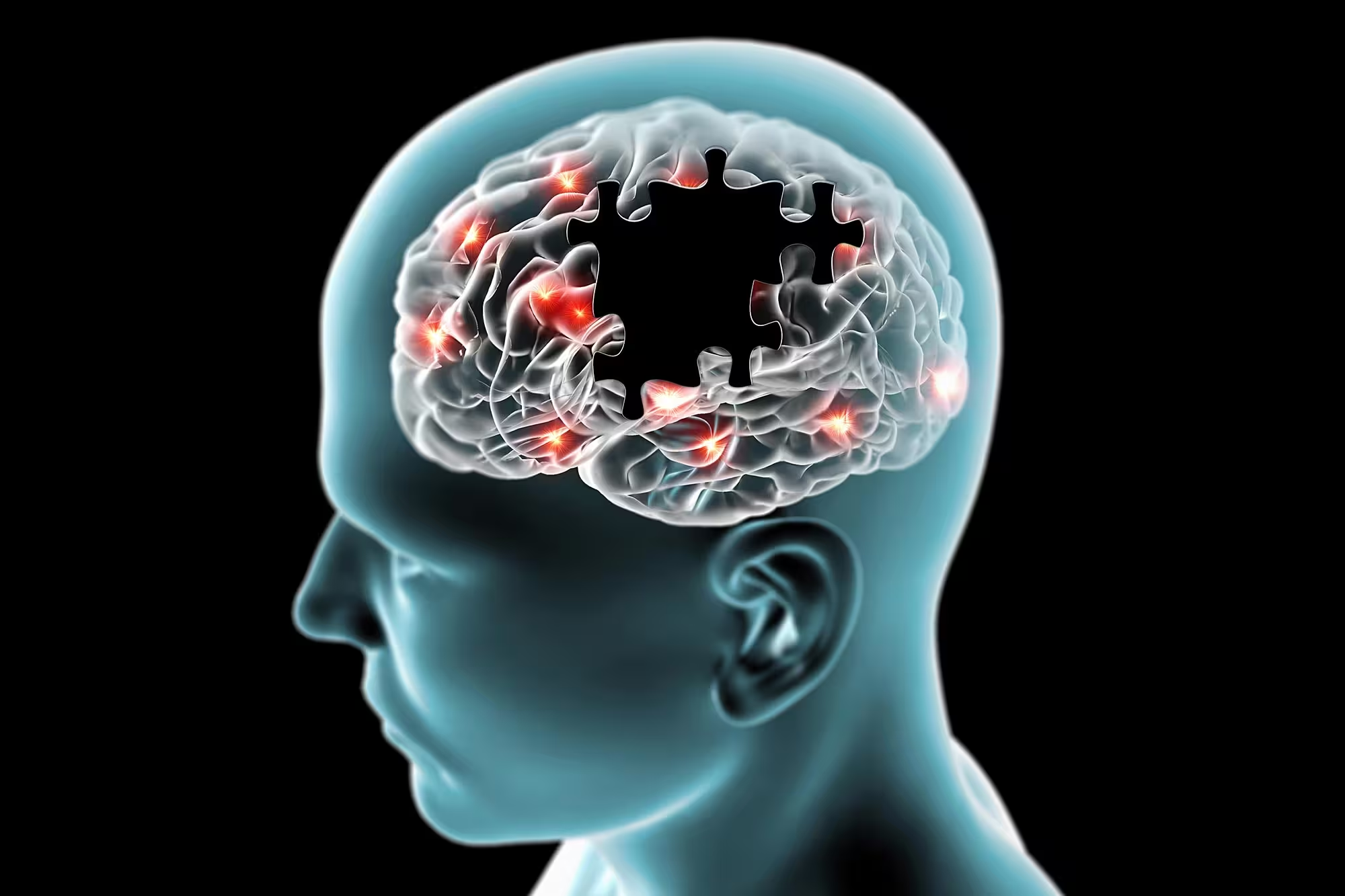
Why care about glia? Because they set the stage for neuronal resilience. If astrocytes falter at energy supply, or oligodendrocytes fail to preserve myelin, neurons become more vulnerable to the protein misfolding and degeneration that characterize Parkinson's. Could those vulnerabilities be part of why men develop the disease 1.5 to 2 times more often, and often face faster cognitive decline? The new data don't prove causality, but they open a plausible biological pathway.

These findings also connect to earlier work from the same group that examined DNA methylation — chemical marks that dim or brighten genes without altering the code — in agricultural workers exposed to pesticides. That study showed far more methylation changes in women than in men, hinting at complex interactions between genetics, environment, and sex. Together, the studies suggest that sex modifies how exposures and genetic backgrounds translate into cellular responses in the brain.
Reading sex-specific gene activity in glial cells could unlock tailored Parkinson’s therapies.
But caution is due. Sample sizes remain modest, and sex-linked gene expression is a clue, not a verdict. The patterns tell us where to look, not the whole story of how disease begins or accelerates. Larger, longitudinal studies and experiments that test how altering glial functions affects neurons will be needed to move from correlation to mechanism.
The recognition that sex matters is already reshaping research agendas. A German Research Foundation initiative called SEX and GLIA, launching in late 2026, aims to unite physiologists, geneticists and computational biologists to study how male- and female-specific glial responses influence vulnerability, progression and treatment response in neurological disease. That kind of coordinated effort could reveal drug targets that traditional neuron-focused approaches missed.
For clinicians, the immediate implication is pragmatic: analyzing men and women separately can uncover risks and trajectories that pooled analyses obscure. That may translate into earlier monitoring of likely problems, and eventually into choosing treatments that fit a patient’s biological profile rather than applying one-size-fits-all strategies.
Parkinson's affects millions worldwide, and the causes remain tangled across genes, environment and aging. The newest thread in that tangle points at the brain's unsung helpers — and asks researchers to stop treating male and female brains as interchangeable. Look closer. Separate the data. Only then will the patterns that matter finally come into focus.


Leave a Comment
Comments
No comments yet. Be the first.