
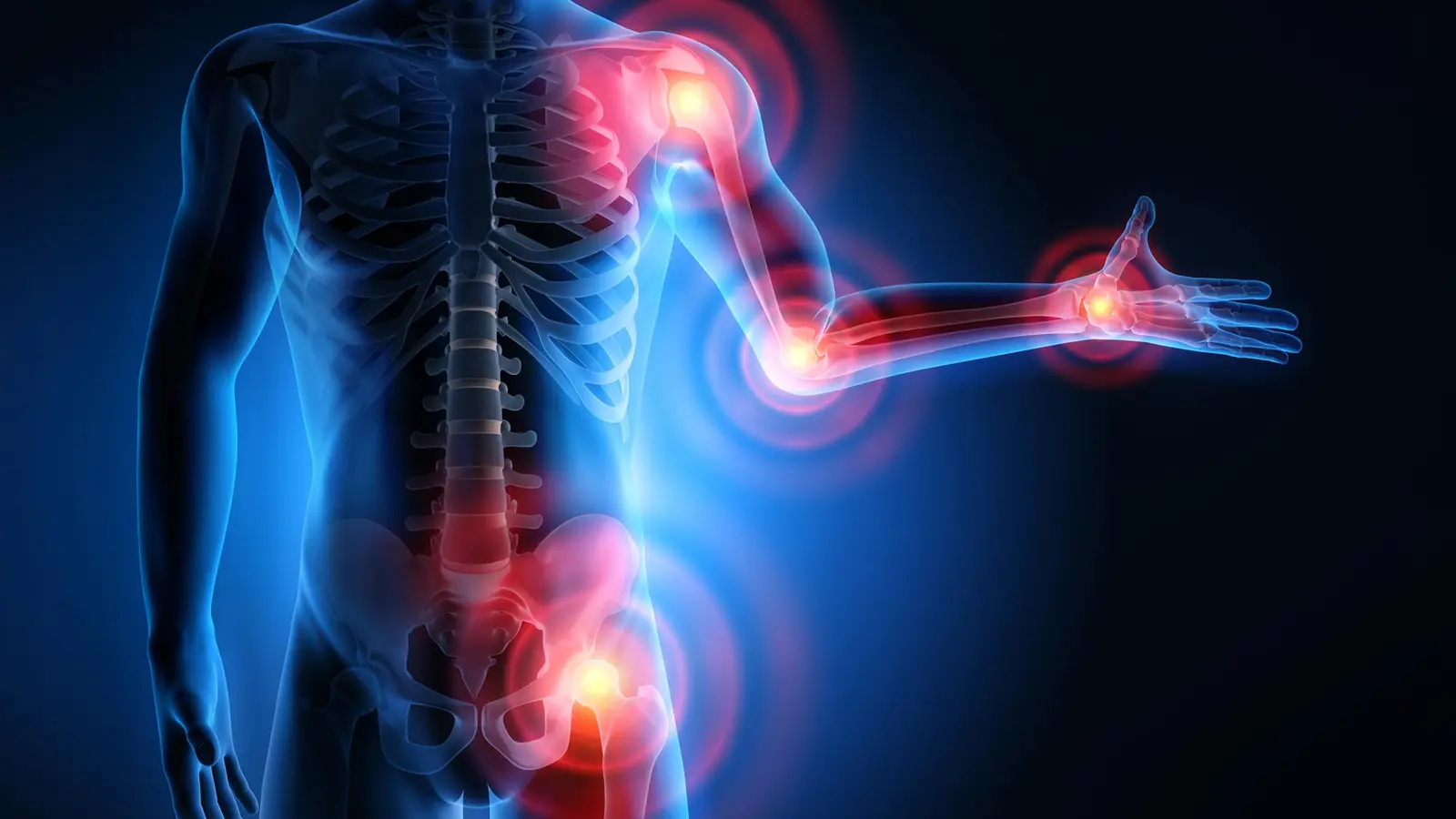
Imagine a compound sold in gym aisles as a shortcut to burn fat becoming, in certain circumstances, a flare-up trigger for the immune system. It sounds like a paradox, but that is the picture painted by a new study from Yale investigators.
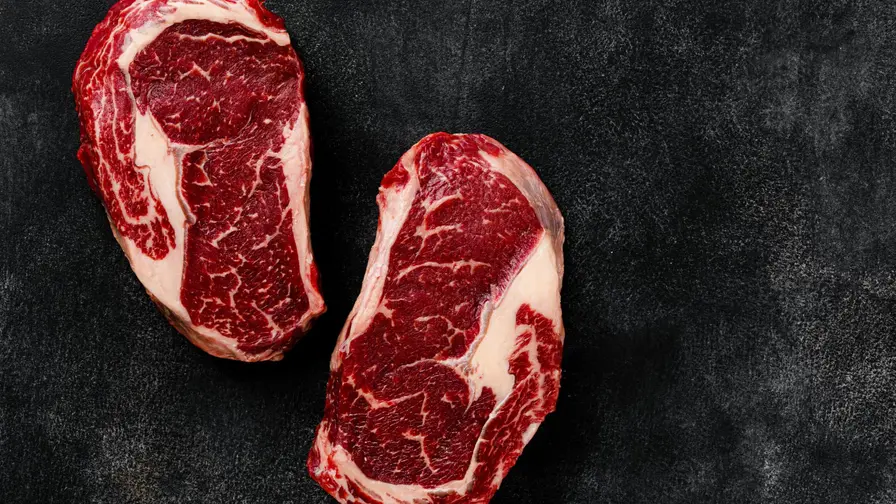
L-carnitine, a molecule best known for shuttling fatty acids into mitochondria so cells can turn them into energy, is abundant in skeletal muscle and common in red meat and many workout supplements. Researchers studying sepsis — the runaway inflammatory reaction to infection that can destroy organs — discovered something unexpected: when inflammation was provoked in mice, circulating levels of L-carnitine plunged. Replacing the nutrient did not rescue the animals. It made them sicker.
Restoring L-carnitine during severe inflammation worsened outcomes in mice.
The team exposed animals to lipopolysaccharide, or LPS, a bacterial component that reliably ignites an inflammatory response. As L-carnitine levels fell, the scientists assumed repleting the molecule would help cells regain normal metabolism and survive. Instead, mortality climbed. That reversal suggested the drop in L-carnitine was an adaptive, protective shift rather than a harmful deficiency.
To chase the mechanism, the investigators turned to immune cells from both mice and humans. They found that L-carnitine can flip on a cellular alarm known as the pyrin inflammasome. Once activated, this pathway promotes production of inflammatory mediators, most notably IL-17, which in their model amplified tissue-damaging inflammation and raised death rates.
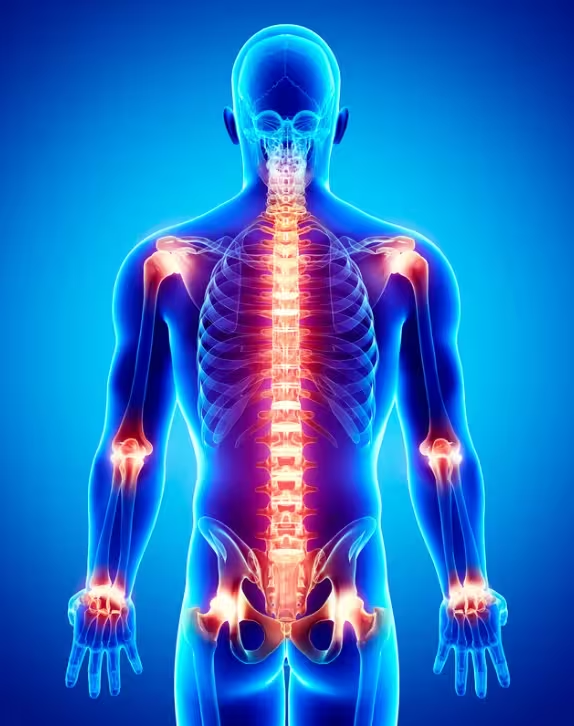
Why would a metabolism helper become an inflammatory accelerant? One clue lies in skeletal muscle, where L-carnitine is concentrated. When muscle breaks down rapidly — as in rhabdomyolysis — its contents spill into the bloodstream. The researchers showed that L-carnitine transport into immune cells and subsequent pyrin activation can fuel inflammation in such settings. In other words, immune cells may interpret a sudden surge of muscle-derived L-carnitine as a danger signal.
There are broader implications. Genetic hints suggest this pathway might contribute to inflammation in diseases where muscle has been viewed merely as collateral damage, not an active source of immune stimulation. The team points to possible links with cardiovascular disease, inflammatory bowel disease, and even cancer, though those connections remain speculative and demand further study.
What does this mean for diet and supplements? The picture is complicated. People who eat meat obtain most of their L-carnitine from food; vegetarians and vegans tend to produce more of it internally but usually have lower overall levels. Crucially, the experiments tested pure L-carnitine against a background of strong inflammation. L-carnitine alone did not induce inflammation in healthy models, and the study did not examine whole red meat or typical dietary patterns.
So no, this is not a blanket warning to avoid red meat or carnitine supplements in every circumstance. Most of the time they are probably safe. But the findings raise an important caveat: under certain inflammatory states, restoring or flooding the body with this nutrient might backfire.
For clinicians and researchers, the discovery opens a possible therapeutic avenue. If IL-17 is a key amplifier in the pathway triggered by L-carnitine, then blocking IL-17 could conceivably blunt the harmful inflammation in a subset of patients with sepsis or muscle-injury syndromes. That idea is untested in humans and would need careful clinical evaluation.
The study also nudges food science toward finer questions. Rather than classifying entire foods as good or bad, researchers are beginning to ask how individual molecular components of food interact with a person’s immune state and genetic background. Could the same nutrient be benign in one person and hazardous in another? Probably. The next step is to map those contexts.

Published in Cell on October 19, the work does not upend nutritional advice overnight, but it does sharpen the view of how metabolism and immunity talk to each other — sometimes in whispers, sometimes in alarms. As researchers probe who might be at risk and why, clinicians and consumers alike will need to reckon with the idea that nutrients are not simply fuel; they can be signals too. What we eat may matter in ways we have only begun to understand.

Leave a Comment
Comments (1)
wait, so L-carnitine could trigger pyrin inflammasome in sepsis? sounds plausible but also wild. Mice got worse after repleting it, humans?? need trials, not panic