
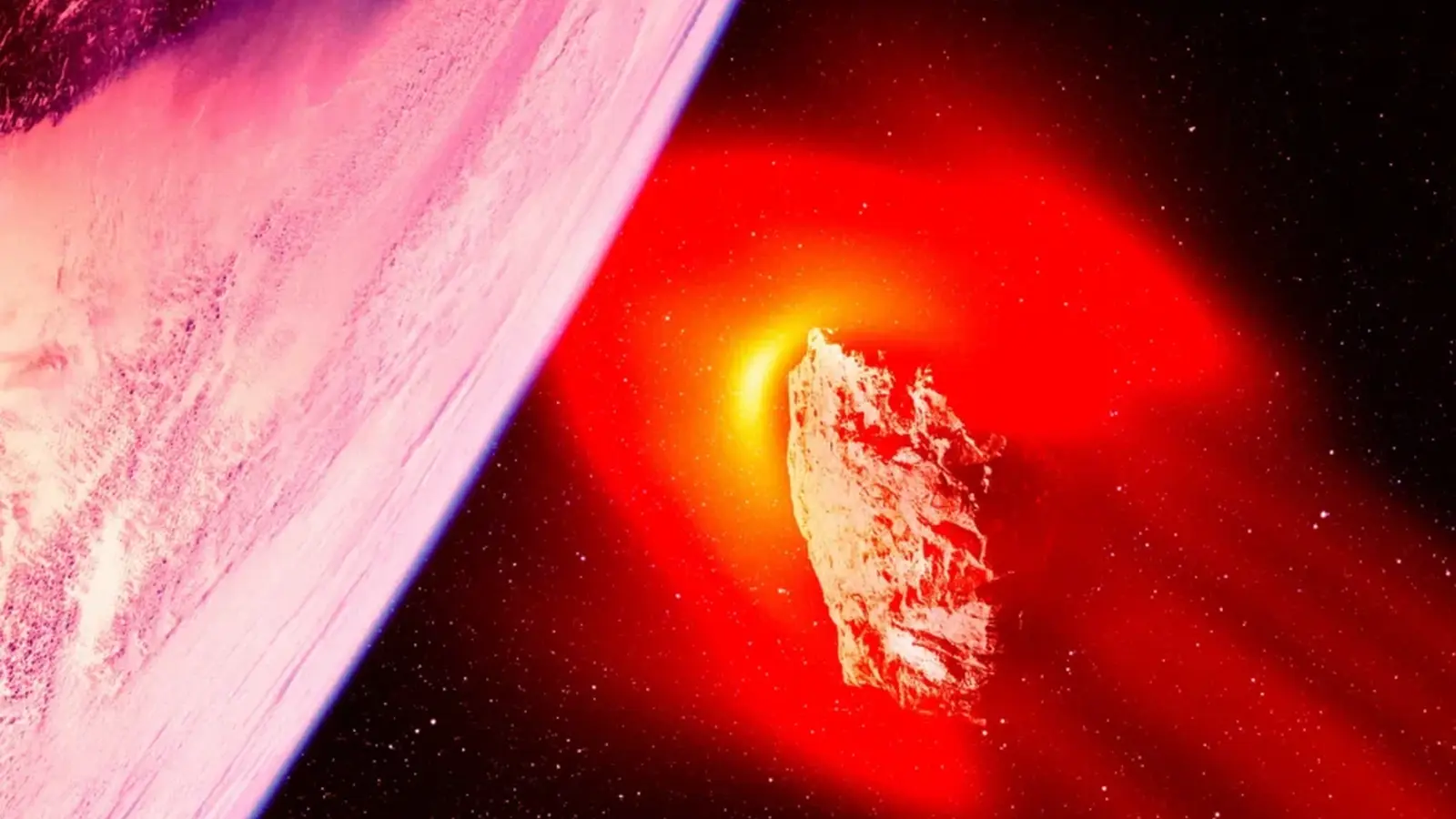
For decades the image felt right: icy comets, laden with organic ingredients, streaking into a young Earth and seeding the planet with the chemistry of life. Romantic. Clean. Simple. A new study out of the University of Cambridge now says that picture is probably fiction.
Researchers simulated cometary entry into Earth's atmosphere and found something brutal: the passage is far too violent for fragile prebiotic molecules to survive. The shock of entry and the heat of impact do most of the damage. Molecules that somehow make it through the fireball are likely to vaporize on contact with the surface.
Why does this matter? Because the idea of pseudo-panspermia—where life’s building blocks arrive from space—has gained traction. Astronomers have detected organic molecules on comets and asteroids. Samples returned from the asteroid Bennu carried 14 of the 20 amino acids organisms use and the five nucleobase components tied to DNA and RNA, findings that gave new life to the idea that key chemistry might come from off-world.
The Cambridge team focused on a familiar prebiotic candidate: hydrogen cyanide (HCN), a small molecule commonly found in cometary material and prized in origin-of-life chemistry. Their models show that for HCN to survive entry, a nearly impossible set of conditions must line up—entry angle, speed, chemical concentration, and post-entry cooling all within razor-thin margins.
The researchers estimate the odds of a safe, intact delivery to be vanishingly small—on the order of one in a million.
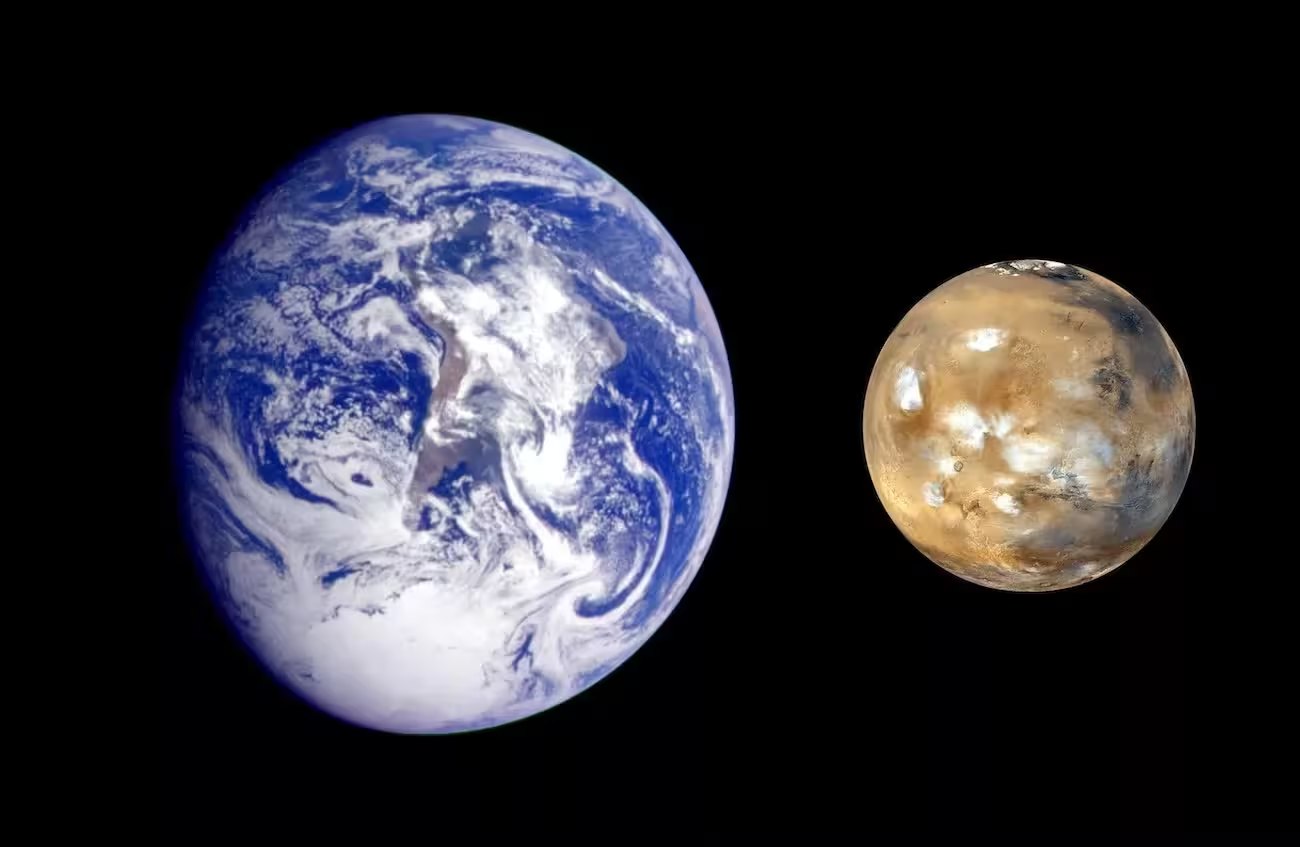
This isn’t the first time the team has tried to weaken the romance. Earlier work hypothesized that comets might be slowed and ferried between closely spaced planetary orbits—dropping speeds below about 9 miles per second—allowing molecules to survive. The new simulations, however, suggest those scenarios are rare enough that Earth probably wasn’t a regular recipient of intact comet-borne prebiotic cargo. Even when molecules survive, they would arrive in quantities too dilute to create the concentrated chemical soups thought necessary for early prebiotic reactions.
The upshot is not that space-born organics never matter. They do exist across the Solar System, and delivery by asteroids or gentle pebble accretion could still play a role. But if comets were not the dependable messengers many hoped for, then we must broaden the search for where life's chemistry first found purchase—deeper into Earth's own geology, into wet-dry cycles on shorelines, or into the hidden chemistry of subsurface vents. The question that remains: if not the comet, then what cosmic or terrestrial process actually handed Earth the recipe for life?

Leave a Comment
Comments
No comments yet. Be the first.