
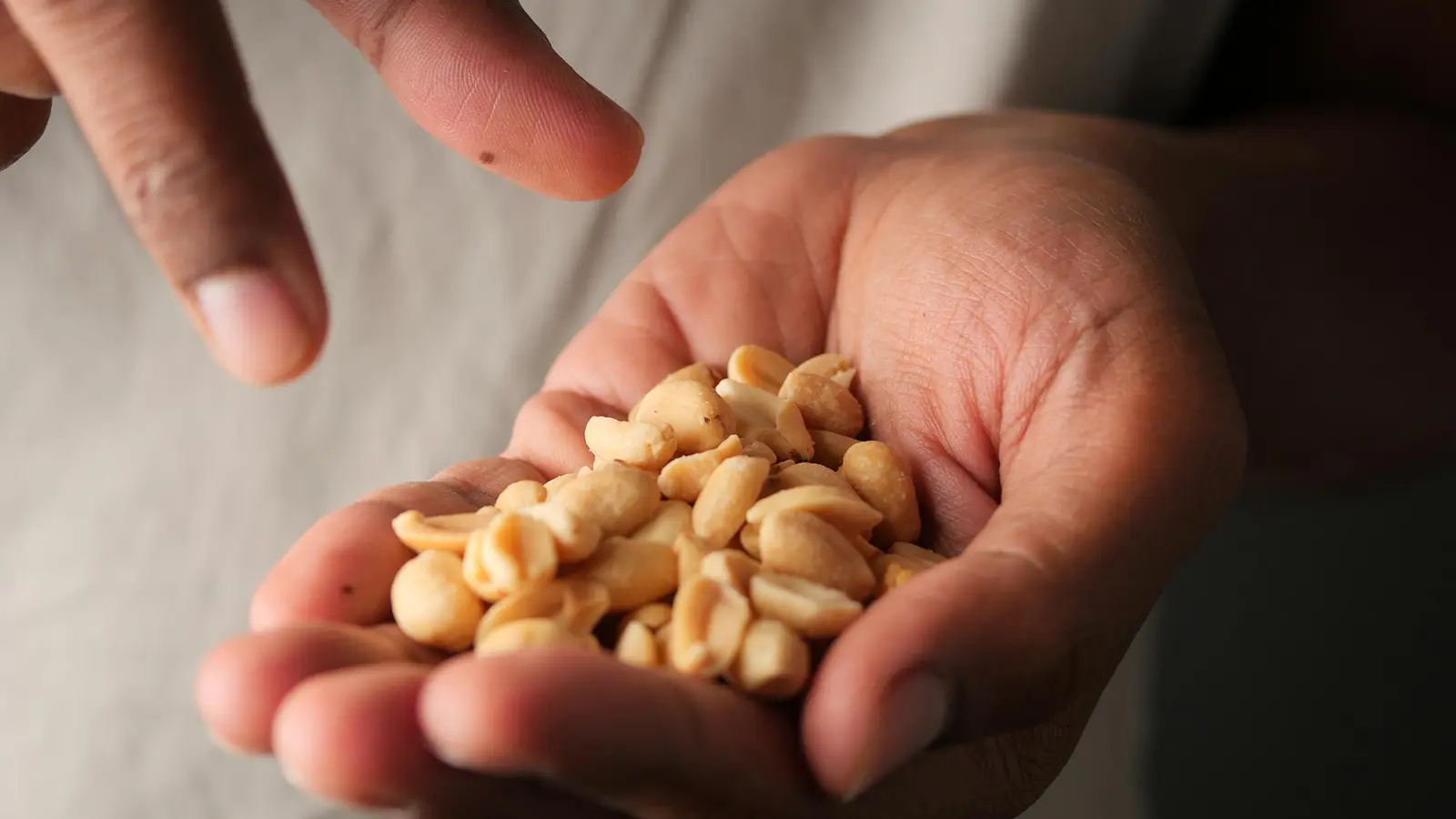
Drop a handful of peanuts into your palm and you might imagine a quick snack, not a microscopic signature that lingers in your bloodstream. Yet researchers say those roasted legumes leave a distinct chemical fingerprint — one tied to a lower risk of developing type 2 diabetes.
It started with a small dietary experiment and expanded into a search across tens of thousands of medical records. In the ARISTOTLE trial, 63 healthy young adults ate a modest daily portion: either 25 grams of skin-roasted peanuts, about 0.88 ounces; 32 grams of peanut butter; or a control spread made with peanut oil. Over six months, scientists used high-resolution mass spectrometry — deep lipidomics — to map the subtle shifts in circulating fats.
The result was not merely more or less fat. It was remodeling. The team identified what they call a Peanut Lipidomic Signature, or PeLS: a specific rise in very long-chain saturated fatty acids, notably C24:0 and C22:0, that the body tucks into particular lipid families such as ceramides.
Why does that matter? Because not all saturated fats behave the same. Very long-chain saturated fatty acids (those with more than 20 carbon atoms) seem to carry different metabolic notes than shorter-chain counterparts. When these VLCSFAs appear inside complex lipids, they can alter cellular signaling and membrane properties in ways ordinary cholesterol tests never reveal.
Next came the big-picture check. The researchers turned to EPIC-Potsdam, a long-term cohort of more than 27,000 people with detailed follow-up. When they scanned blood samples and health records, the PeLS pattern was associated with a lower incidence of type 2 diabetes across the population. It did not predict cardiovascular disease in the same way.
This peanut lipid signature correlated with a lower risk of type 2 diabetes, but much of that link was statistically explained by body mass index.
In plain terms, body weight — or processes tied to adiposity — appears to mediate much of the benefit tied to those peanut-derived lipids. That doesn't erase the biochemical signal; it reframes it. Peanuts may supply fatty acids that nudge metabolic pathways toward healthier set points, but weight and the distribution of body fat remain powerful determinants of diabetes risk.
For clinicians and curious eaters alike, the findings offer a layered message. Peanuts are inexpensive, accessible, and rich in protein, fiber, monounsaturated fats, vitamins and minerals. They also introduce unusual lipid species that can be tracked with modern lipidomics, providing a rare view of how a single food modifies the molecular milieu of the blood.
Of course, snacks don't act in isolation. Portion size matters, and peanut-based products vary in added sugars, salts and processing. The new work points to an intriguing biomarker and to mechanisms worth exploring, rather than to a magic bullet.
If a small handful can leave a measurable trace, what else on our plates is quietly reshaping the lipid landscape? The next studies will need to unpack causation, long-term effects, and how dietary swaps interact with weight and lifestyle — but for now, the humble peanut has earned a spotlight in the story of food, fat and metabolic health.


Leave a Comment
Comments
No comments yet. Be the first.