
3 Minutes
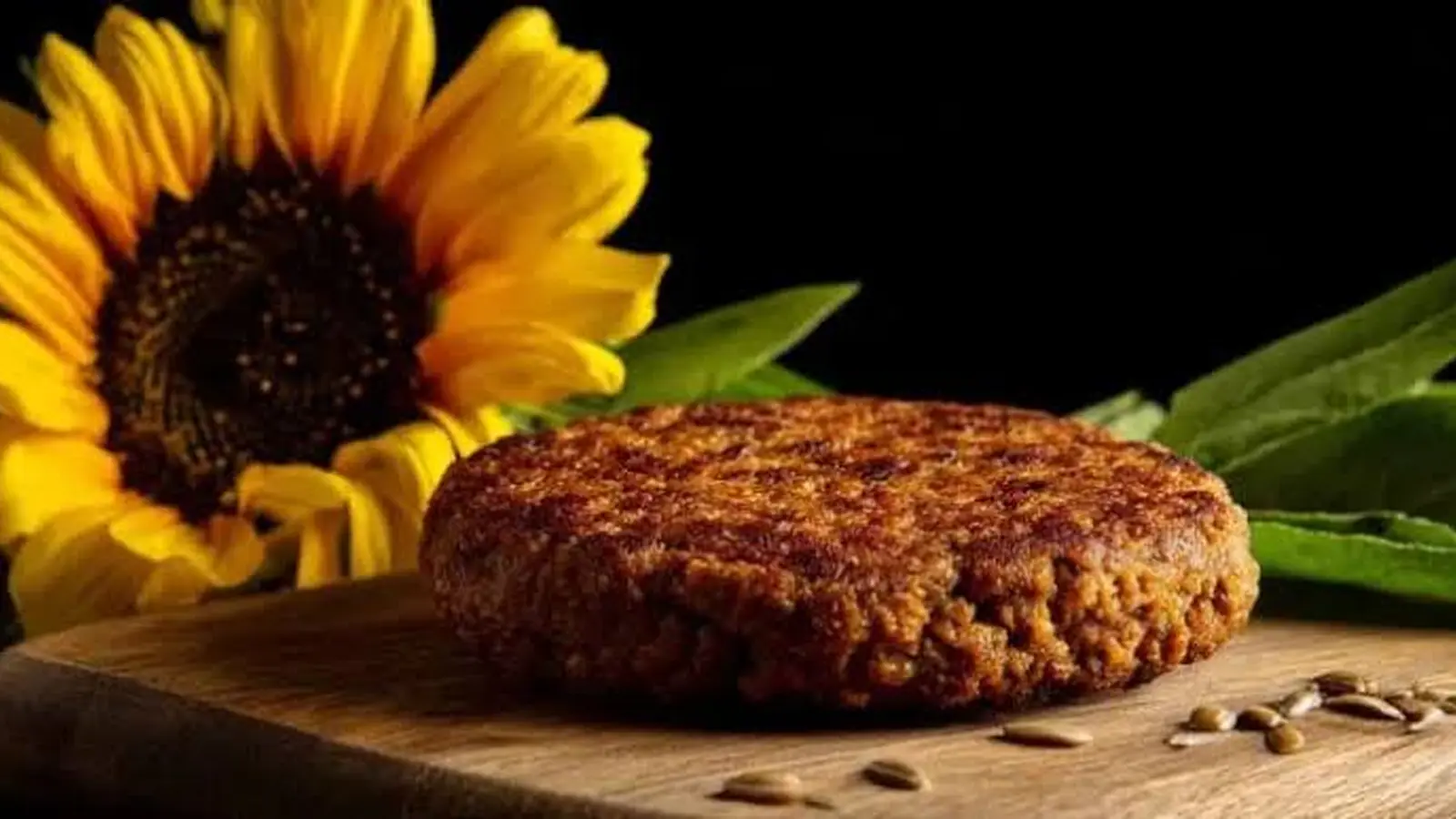
Brazilian and German researchers have transformed sunflower seed leftovers into a promising plant-based meat alternative. By refining sunflower flour and combining it with tomato powder, spices and a tailored oil blend, the team produced patties with a neutral taste, solid texture and an impressive nutritional profile—positioning sunflower as a sustainable rival to soy and pea proteins.
From oil pressings to edible flour: how sunflower becomes food
The process starts where many healthy oils do: sunflower seeds are cold-pressed for oil. What remains is a protein-rich meal or flour. But raw sunflower meal carries husks and phenolic compounds that darken color, add bitterness and reduce digestibility. The researchers at the Institute of Food Technology (ITAL) and the University of Campinas (UNICAMP), collaborating with Germany’s Fraunhofer IVV, removed those components to produce a refined, neutral-flavored sunflower flour suitable for human food applications.
Two formulations were tested. One used flour made from roasted sunflower grains; the other used a textured sunflower protein designed to mimic meat-like structure. Both were blended with tomato powder, spices and a blend of sunflower, olive and linseed oils to improve mouthfeel and deliver healthier fats, then shaped into small burger patties and baked for sensory and nutritional analysis.
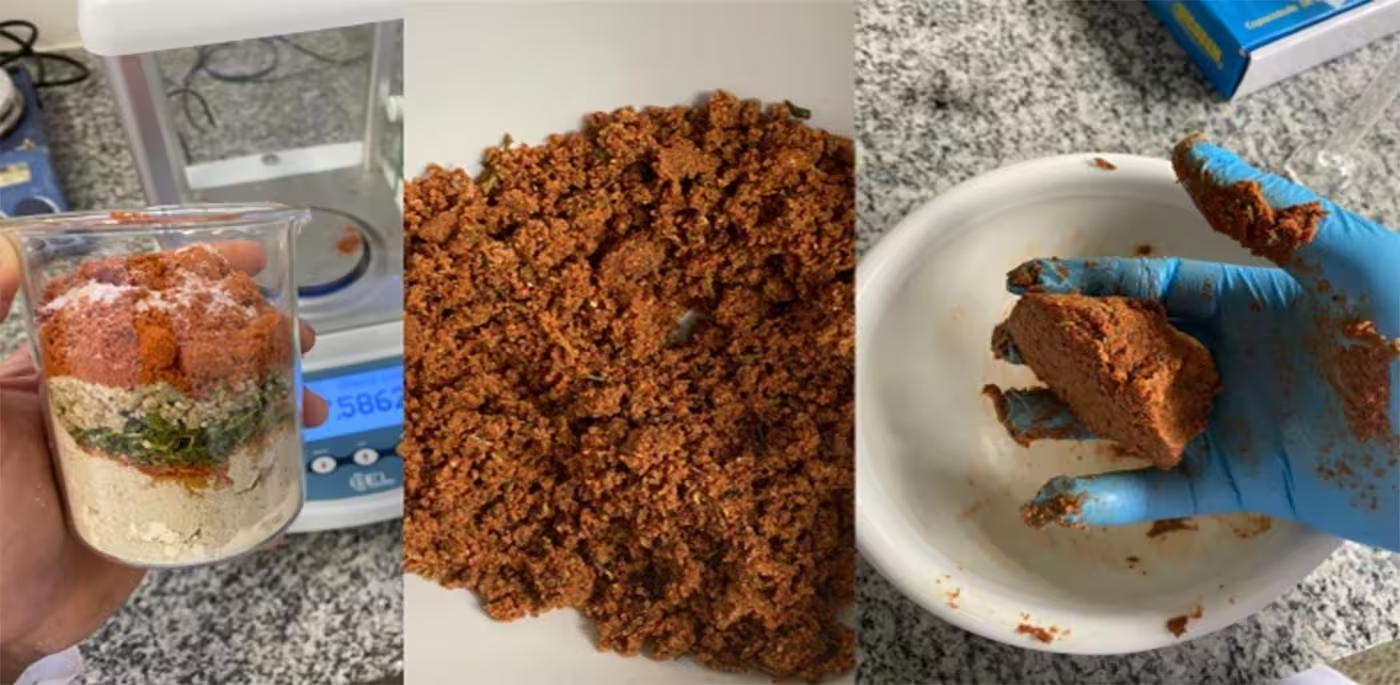
Researchers enriched the product with tomato powder, spices, and a mixture of fat sources made up of sunflower, olive, and linseed oils.
Nutrition and mineral power: what the tests revealed
Laboratory tests favored the textured protein formulation. Compared with the roasted-flour version, the textured-product showed greater firmness, higher protein concentration and an improved fatty-acid profile rich in monounsaturated fats. Crucially for public health and marketing, the sunflower-based patties delivered substantial mineral contributions: roughly 49% of the recommended daily iron intake, 68% of zinc, 95% of magnesium and 89% of manganese per serving.
Maria Teresa Bertoldo Pacheco, lead author and researcher at ITAL’s Center for Food Science and Quality, noted that removing husks and phenolic compounds dramatically improved sensory properties. “The refined flour has a very neutral taste and aroma, especially compared to many vegetable proteins on the market,” she said, underscoring the ingredient’s consumer appeal.
Why sunflower matters for sustainable proteins
Sunflower has practical advantages that extend beyond flavor. Sunflower oil is widely used across Europe, and cultivation is expanding in Brazil—creating a steady supply of meal after oil extraction. Unlike some plant proteins, the ingredient can be sourced non-GMO, which matters for many consumers prioritizing natural and sustainable foods.
From a nutritional standpoint, sunflower flour contains a favorable essential amino-acid composition, increasing its credibility as a meat substitute. Still, Pacheco cautions that to reach truly meat-like appearance and texture at scale, additional processing technologies—such as extrusion to build fibrous protein structures—will be required.
Industry implications and next steps
The research, supported by FAPESP, demonstrates a viable roadmap for repurposing an agricultural co-product into higher-value food ingredients. For food companies, this means a locally sourced, non-GMO protein option that can diversify supply chains and reduce dependence on soy and peas. For farmers, expanding sunflower acreage creates a new market for seed meal beyond animal feed.
Future development will likely focus on texturization techniques (extrusion, shear-cell processing), flavor optimization, shelf-life testing and scaling pilot production. If manufacturers can replicate the texture of meat while retaining the mineral and fat benefits, sunflower protein could claim a meaningful share of the growing plant-based meat market.
What to watch next
Look for further studies that test consumer acceptance across markets and trials that integrate extrusion technology to create fibrous, steak-like structures. With industry partnerships and iterative reformulation, sunflower-based proteins could become an accessible, sustainable option for vegans, flexitarians and mainstream consumers alike.

Leave a Comment
Comments
No comments yet. Be the first.