
2 Minutes
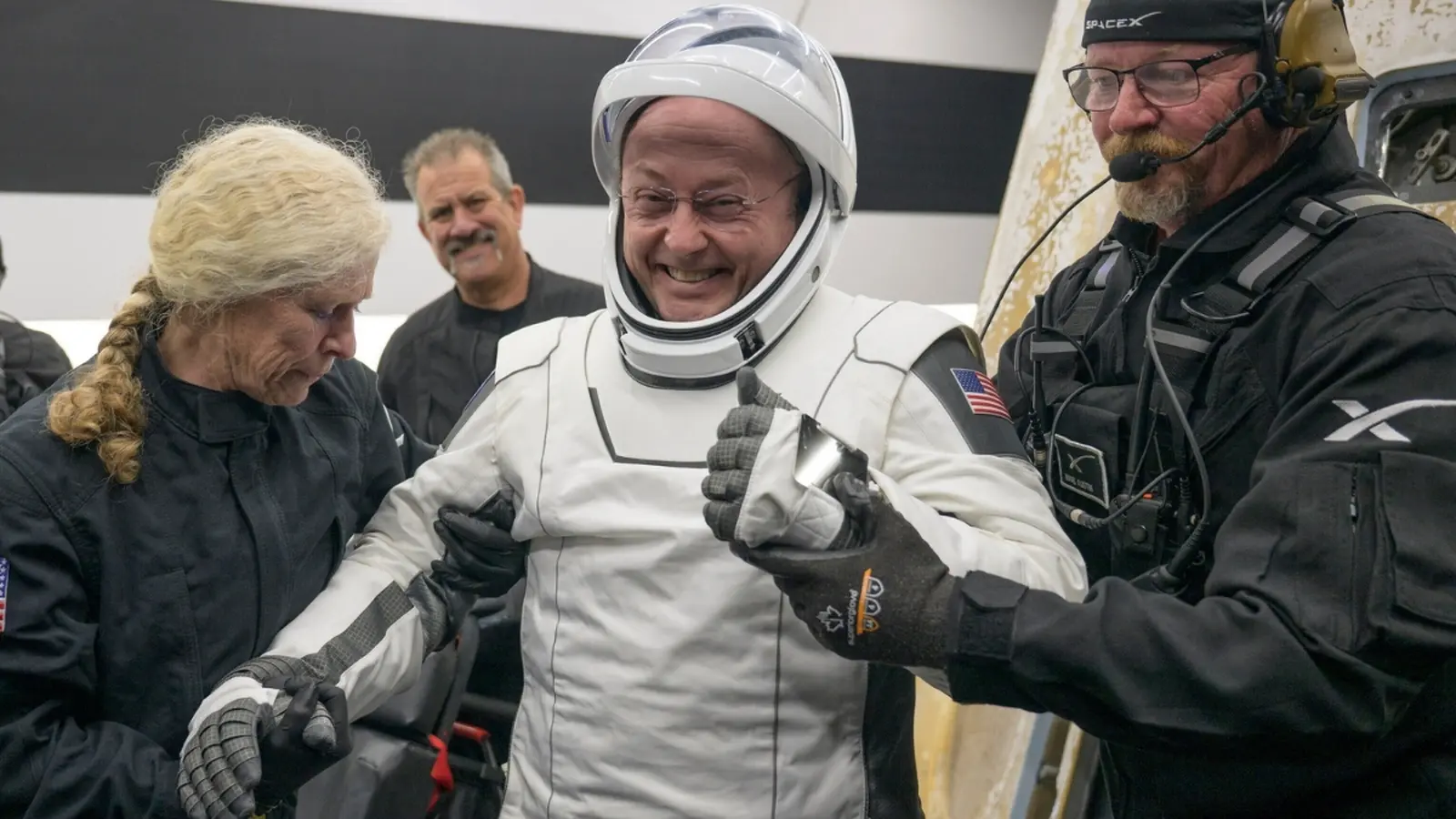
It began with a routine day aboard the International Space Station and ended with an unusually fast trip home. Mike Fincke — a 58-year-old veteran astronaut — has now confirmed he was the crew member whose health issue prompted NASA's first medical evacuation.
Fincke did not disclose the specifics of his condition. What he did say, in a written statement, was that his crewmates and flight surgeons on the ground acted quickly and effectively, and that his condition stabilized. "Spaceflight is an incredible privilege, and sometimes it reminds us just how human we are," he wrote.
How the situation unfolded
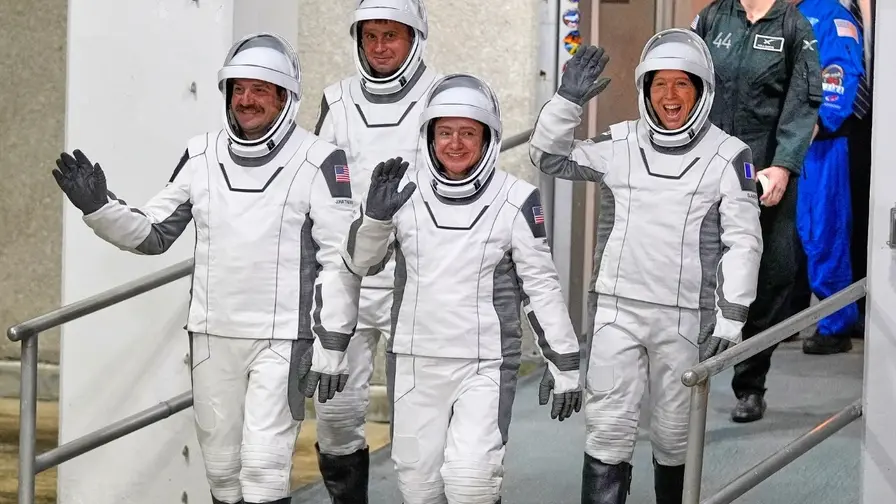
Fincke launched last summer on SpaceX Crew-11 alongside three other astronauts. The mission was cut short on Jan. 15, roughly a week after he experienced what he described as a "medical event that required immediate attention" by the crew. A planned spacewalk was called off. After an ocean splashdown, the four astronauts were taken to a San Diego hospital and then flew back to Houston the following day.
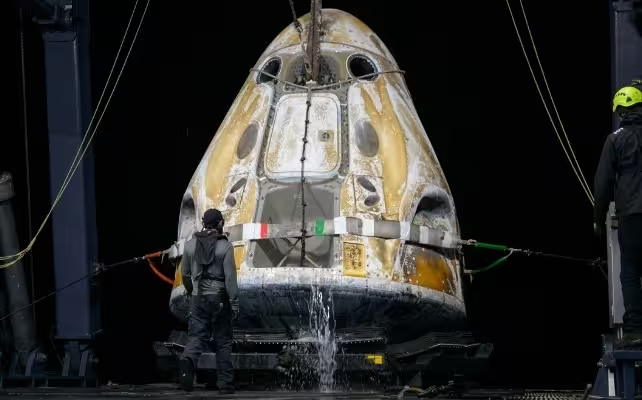
Support teams onboard the SpaceX recovery ship SHANNON.
At a news conference after returning, Fincke noted the practical value of the station's ultrasound capability. He emphasized that the decision to return was driven not only by immediate care needs but by the desire to access advanced imaging and diagnostics available on Earth.
This episode marks a pivotal moment for space medicine: on-orbit care can stabilize a patient, but timely access to terrestrial diagnostics and evacuation options remain essential.
Why does the use of ultrasound matter? Ultrasound is one of the few imaging tools feasible in microgravity. It lets crew members and remote flight surgeons evaluate internal injuries or emergent conditions without invasive procedures. Yet it has limits: some diagnostic questions still require CT, MRI, or specialist consults that are only available on the ground.
For long-duration missions — to the Moon or Mars — mission planners are watching closely. The Crew-11 episode underlines the need to expand telemedicine protocols, improve portable diagnostics, and refine evacuation criteria for when to bring people home urgently.
Fincke, a retired Air Force colonel who joined NASA in 1996 and has logged 549 days in space across four missions, says he is doing well now. His disclosure lifts a veil of uncertainty and sparks a conversation: how will human spaceflight adapt medical capabilities so that the next crisis finds us even better prepared?

Leave a Comment
Comments
No comments yet. Be the first.