
4 Minutes
You win the battle with the scale. Then, slowly, the war resumes. Why do lost kilos so often return despite good intentions? Scientists are pointing to biology, not blame.
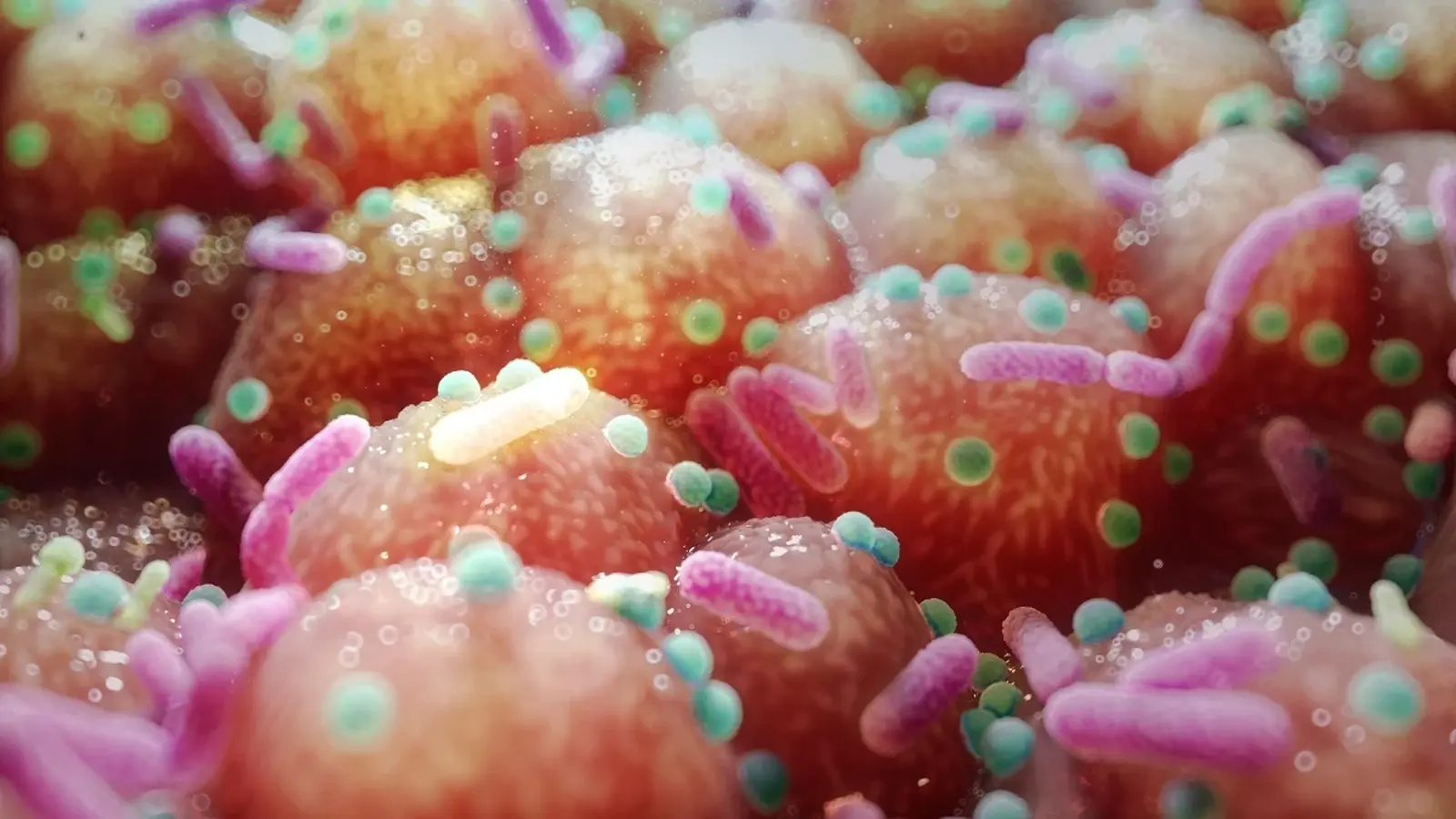
A recent clinical trial has put a spotlight on a single gut bacterium, Akkermansia muciniphila, and its potential to slow weight regain after diet-induced weight loss. This species lives in the mucus lining of the intestine, feeds on mucin, and helps maintain the gut barrier and metabolic balance. Could a microbe living in that slimy, overlooked layer be part of the answer?
The study recruited 90 adults with overweight or obesity. First came an aggressive eight-week low-energy phase: meal-replacement soups and shakes totaling roughly 800 to 900 calories a day. Those who dropped at least 8 percent of their body weight then entered the maintenance phase. Participants were randomized to take either a placebo or a daily supplement containing pasteurized Akkermansia muciniphila for 24 weeks while being free to follow a healthy diet aligned with national guidelines.
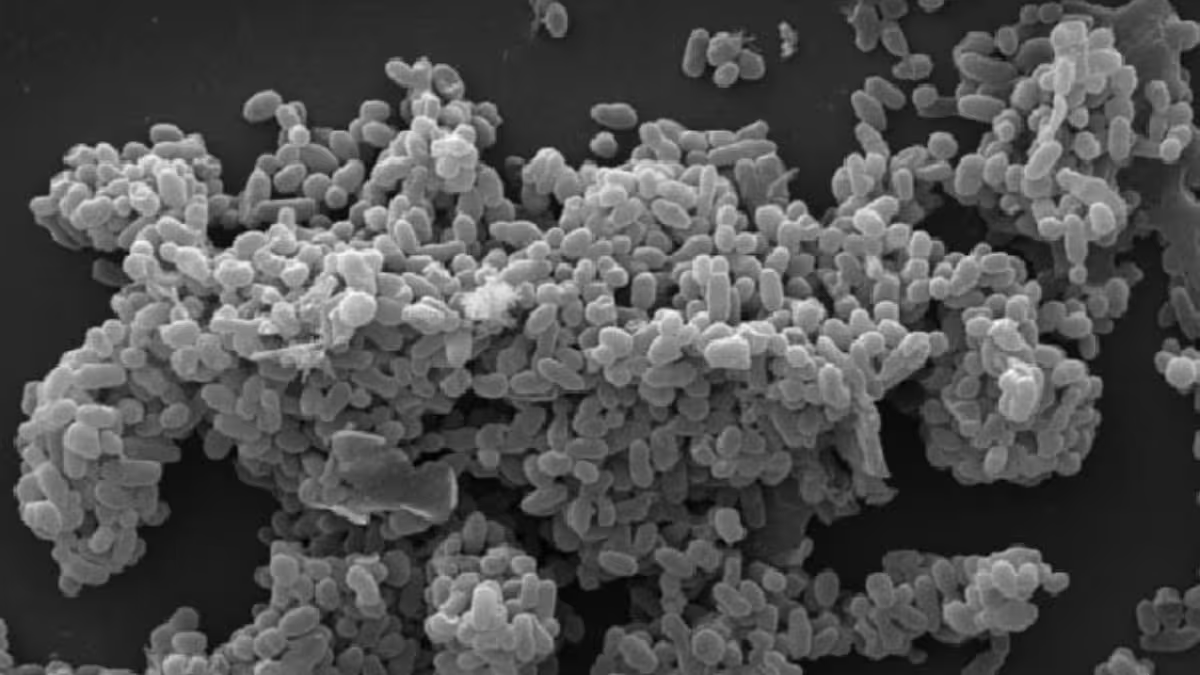
Pasteurized. Not live. That matters. Heat treatment kills the bacterium but leaves behind molecules from the cell wall and other components that can interact with the host. Prior work hinted that sometimes the benefits of so-called probiotics come from these components rather than living microbes. In this trial pasteurization may even have sharpened the microbe's effects.
The headline was modest but real. People taking the supplement regained about 1.2 kilograms on average during the follow-up, compared with roughly 3.2 kilograms in the placebo group. So the microbe slowed the rebound. It did not stop it. There were also signals of improvement in cardiometabolic markers, most notably better insulin sensitivity among those on the supplement.

Context is everything. The human gut microbiome is a vast, shifting ecosystem shaped by diet, sleep, drugs, exercise and countless other factors. Individual microbiomes differ dramatically, and those differences may determine who benefits from a given intervention. In this study, participants with lower baseline levels of Akkermansia appeared to gain more metabolic benefit, hinting at personalized responses rather than one-size-fits-all effects.
Limitations should temper enthusiasm. The trial was relatively small and followed participants for only six months after the initial weight loss. The microbiome treatment was delivered alongside substantial dietary support, including the meal-replacement phase and ongoing dietitian care, so the supplement was not tested in isolation. Several authors also declared ties to the company producing the supplement, an ordinary feature of translational research but one that increases the need for independent replication.

Still, the findings add to a growing body of work that places the microbiome at the center of metabolic regulation. We already know that when people lose weight the body mounts a biological counterattack: appetite rises, energy expenditure falls, hormones shift. That is why many people regain weight even after successful diets or short courses of GLP-1 drugs. Microbes may be one piece of the feedback system that nudges weight back up.
Practical questions follow. Might we boost Akkermansia without buying a supplement? Possibly. Diet shapes the gut environment. Prebiotic fibers that feed beneficial bacteria are found in foods such as onions, garlic, leeks, asparagus and many whole grains. Plant foods rich in polyphenols, including berries and grapes, also seem to promote favorable microbes. In other words, the old advice of eating whole plant foods still applies, now with a microbial twist.
Researchers are intrigued, but cautious. More and larger trials are needed to see whether the effect holds long term, who benefits most, and how such interventions could be combined safely with lifestyle changes and medications. For now, the idea that a humble mucus-dwelling bacterium might help keep weight off offers a vivid reminder that our bodies are ecosystems, and that the smallest inhabitants can influence big outcomes.


Leave a Comment
Comments (2)
Wow a microbe in the mucus helping keep weight off? wild. Excited but skeptical, feels like one piece of a bigger puzzle, not a miracle.
Wait so pasteurized bacteria can help? sounds promising but 90 people, 6 months... is that enough? need bigger trials.