
3 Minutes
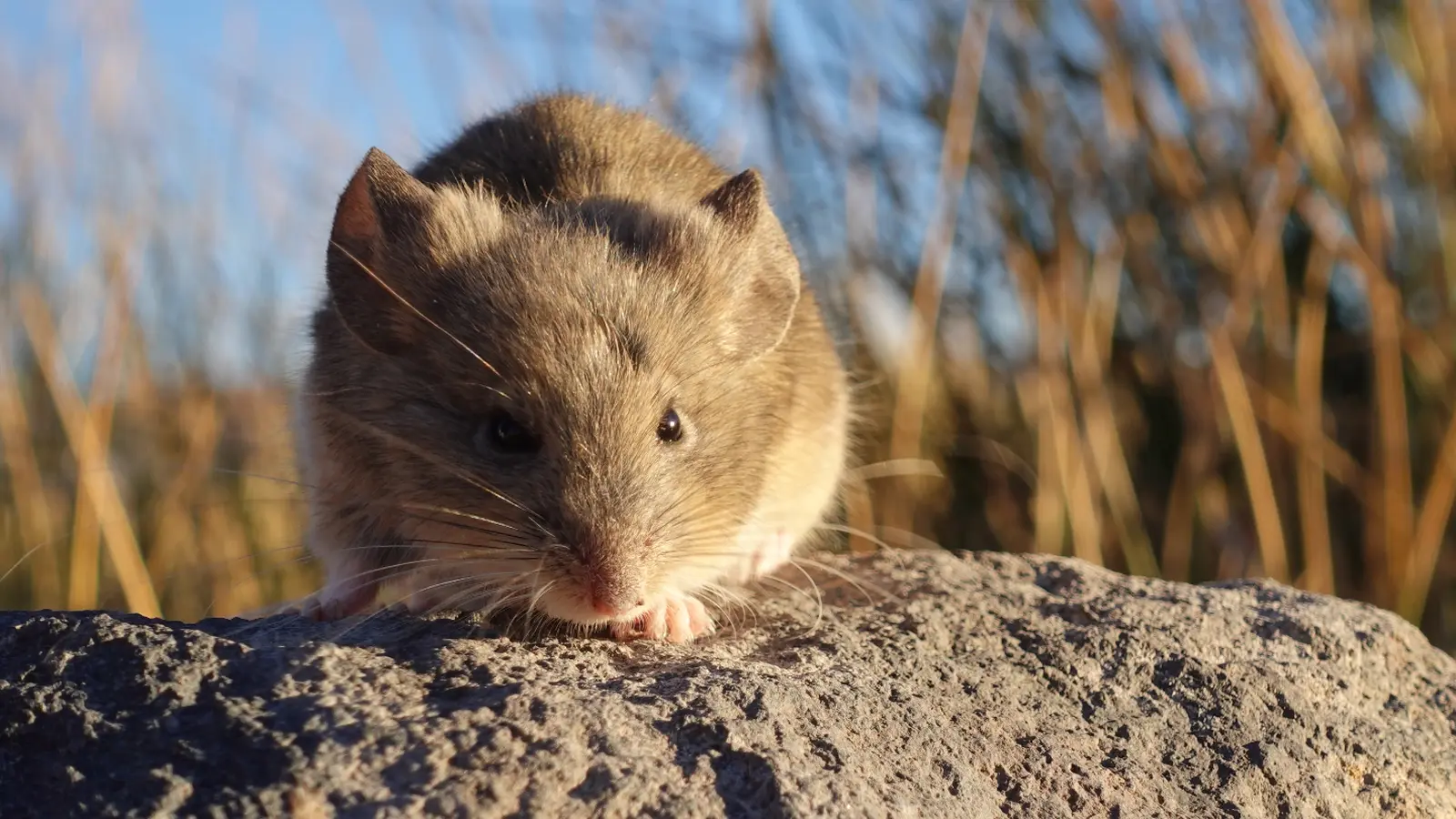
Imagine finding a tiny mammal scurrying near the crater of an Andean volcano, where oxygen is half of what it is at sea level and the wind feels like a freezer door. That sight would have sounded impossible a decade ago. Yet researchers have caught Phyllotis vaccarum—the Andean leaf-eared mouse—living and functioning at elevations above 6,700 meters (about 22,000 feet), higher than any other known mammal.
Such a discovery forced biologists to stop and rethink a stubborn assumption: that mammals top out around 5,500 meters. The mice don’t survive on a single trick. Instead, evolution has remodeled their bodies in several interlocking ways so they can heat themselves, extract oxygen, and even cope with a diet pulled from a nearly barren landscape.
Field teams working along the western spine of the Andes sampled mice from sea level all the way to summit outposts above 6,700 meters. In the lab they recreated the punishing conditions of extreme altitude—low oxygen and bone-chilling cold—and watched how highland and lowland individuals performed. The difference was striking. Highland mice kept producing heat far longer and more efficiently than their lowland cousins. Short bursts won’t do up there. Endurance is king.
The secret starts at the cellular level. Muscle fibers in these mice are densely packed with mitochondria, the organelles that convert food into usable energy. Think marathon muscles, not sprint muscles. That mitochondrial richness lets the animals sustain the slow, aerobic activity needed to generate heat without collapsing from oxygen shortage.

Fat metabolism is another piece of the puzzle. These mice preferentially burn fat—an energy-dense fuel—during cold exposure. Fat supports both shivering muscles and specialized heat-producing tissues that operate without movement, giving the animals a longer buffer against freezes that would immobilize a less adapted creature.
Food is scarce at the summits. There are no lush meadows, just lichens on rocks, windblown seeds, and the occasional insect hitching a ride on the breeze. Genetic analyses point to evolved changes in metabolic pathways and in genes tied to detoxifying plant compounds, suggesting these mice can extract nutrients and tolerate oddball diets that would poison others.
Taken together, the findings—published in Science—show that surviving at extreme elevation is not about a single mutation or one brilliant anatomical tweak. Natural selection has adjusted the respiratory system, rewired muscle energetics, shifted fuel use, and tuned digestive chemistry. Evolution rebuilt the whole organism to meet a brutal set of challenges.
There’s a broader lesson here. As climates shift and habitats change, animals will face multiple pressures at once: altered oxygen regimes, new food webs, changing water availability and novel competitors or predators. The Andean leaf-eared mouse demonstrates that adaptation can be multifaceted and surprising. How many other limits we assume are fixed might turn out to be negotiable?


Leave a Comment
Comments
No comments yet. Be the first.