
4 Minutes
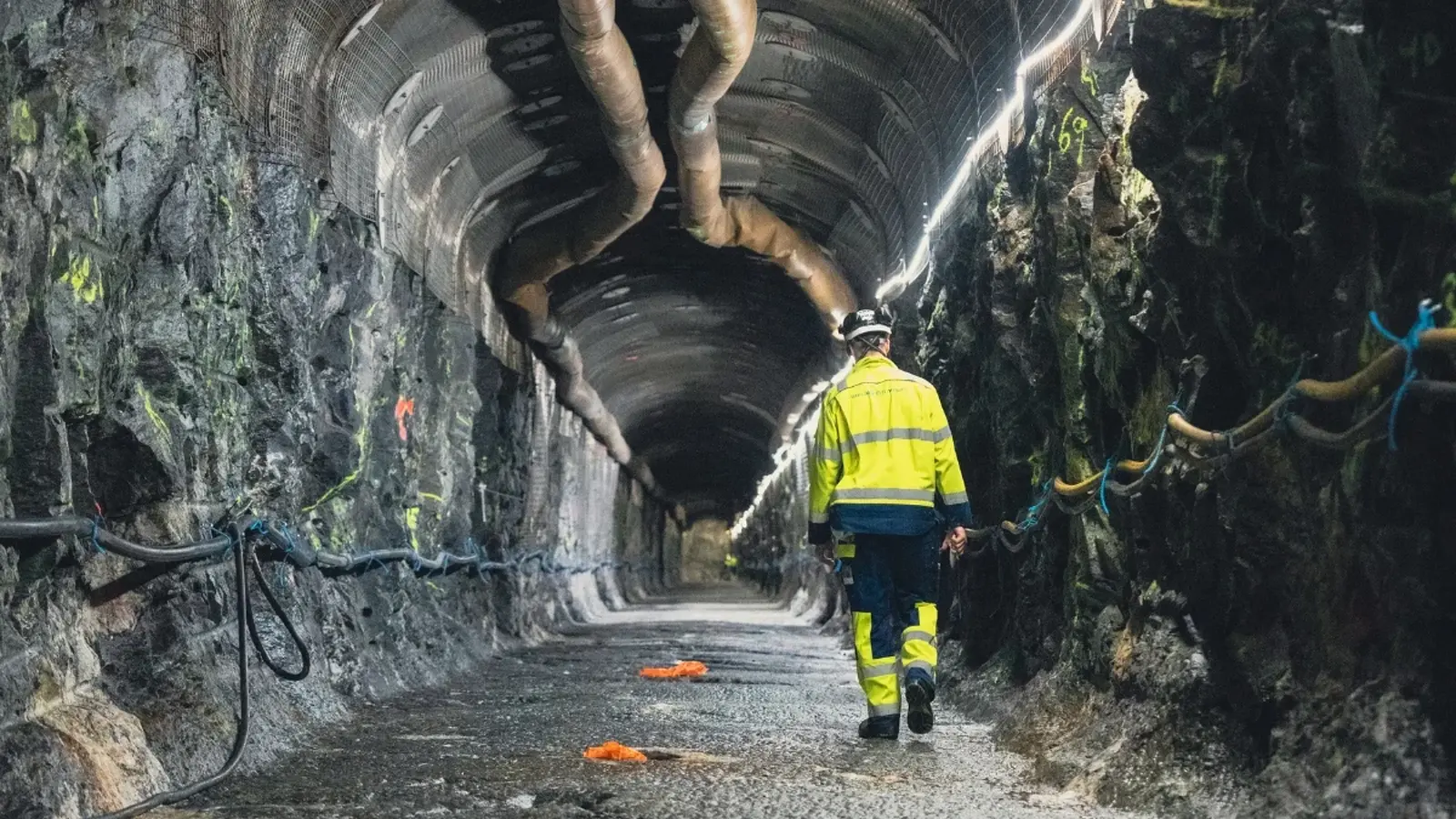
An elevator clicks to 433. The doors part and a carved slit of light reveals a tunnel that will hold some of humanity’s most dangerous leftovers. They call it Onkalo — Finnish for 'cave' — but it feels more like a vault cut into time itself, hewn from 1.9‑billion‑year‑old bedrock on the country’s west coast.
The site in Eurajoki, southwest Finland, is poised to become the first permanent deep geological repository for spent nuclear fuel anywhere in the world. Construction began in 2004. Today the complex of ramps, shafts and disposal tunnels is nearly ready for its first deliveries, pending a final regulatory green light this June from STUK, Finland’s radiation and nuclear safety authority.
Why go so deep? The plan is simple and stubborn: isolate highly radioactive fuel where geology, engineered barriers and time work together to keep radioactivity from returning to the surface. Spent assemblies will be sealed inside copper canisters, lowered into holes bored in the tunnels, and surrounded with bentonite clay. Once filled, each 300‑metre disposal gallery will be closed with a reinforced concrete plug. The declared target is audacious — secure containment for at least 100,000 years.
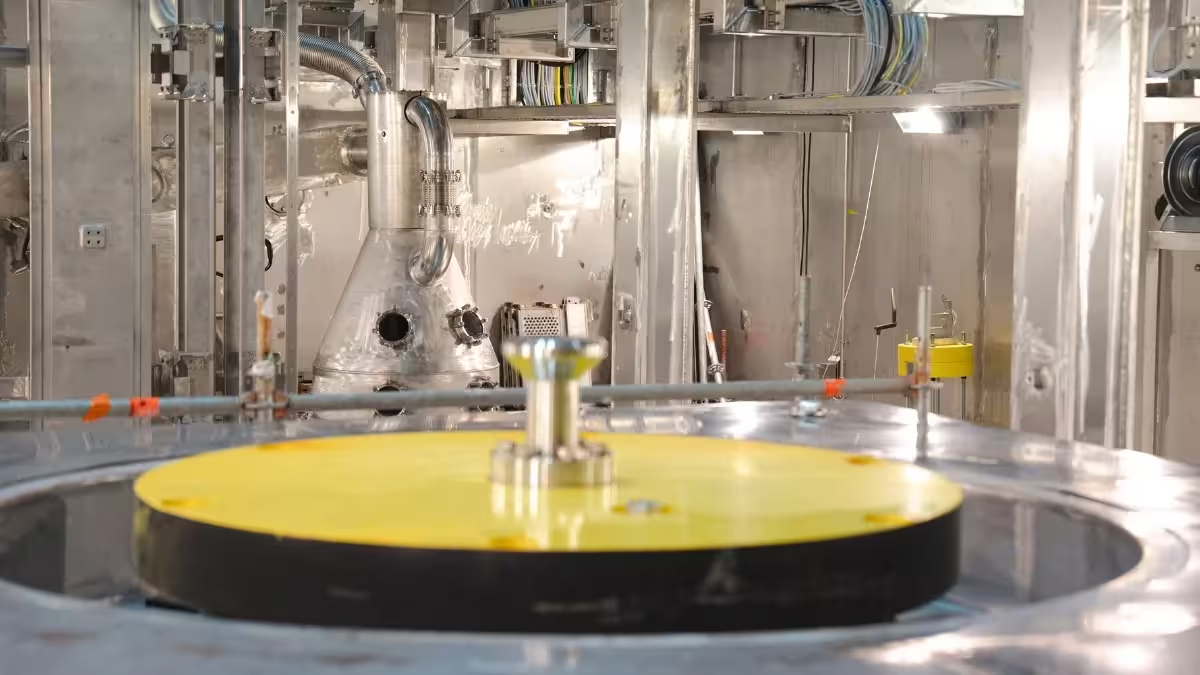
Capacity matters. Onkalo is designed to hold roughly 6,500 tonnes of uranium, primarily the used fuel from Finland’s five reactors fed by the Olkiluoto plant on the Baltic shore. Before burial, assemblies are cooled in pools at the interim site; operators expect to begin emplacement either late this year or early next, depending on final licensing decisions.
Engineers and scientists behind the project talk in timescales that make modern politics look fleeting. 'The waste will be dangerously radioactive for tens of thousands of years,' says one project chemist, pointing out that by about 100,000 years the radioactivity will have decayed close to the level of the original uranium ore. Other technical caveats remain. Copper corrosion, the stability of bentonite seals, and the possibility of seismic stress during future glaciations are the principal long‑term concerns that have driven decades of study and modelling.
Risk assessments extend into the deep future — in some analyses, as far as a million years. The first 10,000 years are critical, regulators warn, for keeping canisters intact while the most intense radioactivity fades. The assumptions are conservative and repeatedly tested: variations in groundwater chemistry, rock fracture behaviour, and even hypothetical human intrusion scenarios have all been run through simulations.
Building Onkalo cost roughly one billion euros, a price tag that reflects both the technical complexity and the political patience required. Finland’s approach differs from some other countries where plans for underground repositories have sparked fierce public protest. Locally, opposition existed early on, but trust in independent assessments by STUK and in long‑term planning has helped the project gain broader social acceptance in Finland.

Not everyone is convinced. Conservation groups remind us that no human institution can guarantee safety on geological timescales, and they press for continued scrutiny and transparency. Meanwhile, national law requires that Finnish nuclear waste be stored inside Finland, a change in policy that followed earlier exports of spent fuel before 1994.
Onkalo also sits at the intersection of future choices. Finland is exploring additional nuclear capacity, including small modular reactors (SMRs), and lawmakers will eventually need to decide how waste from any new reactors would be managed. For now, the focus is on finishing one of the most consequential engineering projects of our time: placing legacy waste into a vault designed not for convenience, but for endurance.
There is a strange humility in the plan — a hope that clay, copper and granite can outlast empires. It asks us to think in epochs rather than electoral cycles, and to accept responsibility for materials whose hazards outlive those who made them. The first canisters are nearly ready. The tunnel is ready to receive them. What follows will be measured not in years, but in millennia.

Leave a Comment
Comments (2)
Wow, a vault meant to outlast empires. chills. Feels right and terrifying at once, like handing a hot potato to ppl centuries from now.
So they bury stuff for 100,000 years? ok but copper corrodes, humans change, glaciers.. who really knows. Risk models seem hopeful, but is that enough?