
3 Minutes
Stop blaming pasta. Or potatoes. Or butter. The latest long-term evidence suggests the fight over carbs versus fat has been distracting us from a simpler truth: what you eat matters more than which macronutrient you cut.
Researchers at Harvard followed nearly 200,000 men and women for about three decades—adding up to more than 5.2 million person-years of observation—to untangle whether low-carb or low-fat patterns are better for the heart. The study, published in the Journal of the American College of Cardiology and led by epidemiologist Zhiyuan Wu, didn’t declare a clear winner in the calorie-counting duel. Instead, it pointed a spotlight at food quality.
Here’s the catch. Two diets can look identical on paper—both low in carbs or both low in fat—yet produce very different cardiac outcomes. Why? One may be a steady stream of processed snacks, refined grains and fatty animal products. The other might center on vegetables, whole grains, legumes, nuts and unsaturated oils. Same macronutrient labels. Different ingredients. Different results.

Participants who favored whole, minimally processed foods and a balance of macronutrients had higher levels of protective HDL cholesterol, lower blood fats and decreased markers of inflammation compared with those whose low-carb or low-fat diets relied heavily on processed items and less on plant-based foods. Over time, that translated into a noticeably lower risk of coronary heart disease—the leading cause of heart attacks.
Wu and colleagues emphasize the point bluntly: it isn’t enough to ask ‘how many carbs?’ or ‘how much fat?’ You must ask, ‘what kind of carbs and what kind of fat?’ Healthy low-carbohydrate plans and healthy low-fat plans seem to converge on similar biological benefits when the underlying foods are nutrient-dense and plant-forward.
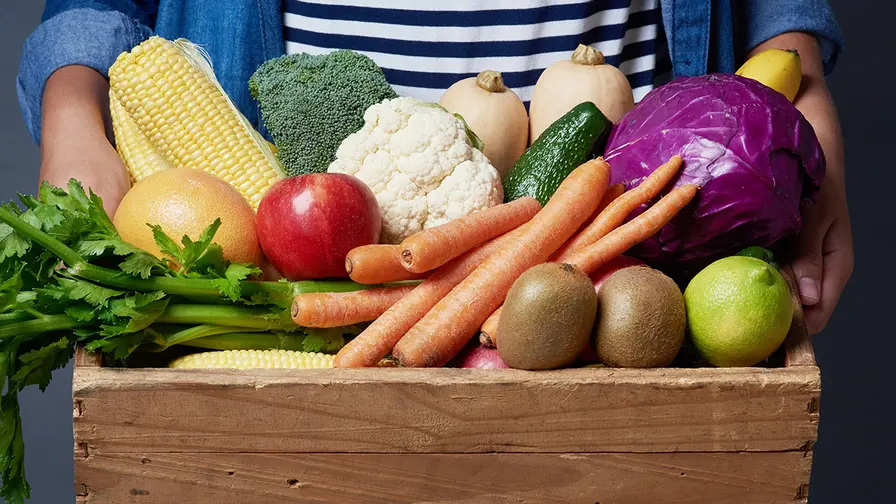
So what should a heart-minded eater take away from this? Embrace flexibility. If you prefer fewer carbs, make them come from beans, vegetables and intact grains. If you favor a lower-fat approach, stock up on vegetables, whole grains, legumes and healthy oils rather than processed lean meats or refined snacks. The pattern matters more than the label.
The study has limitations. Diets were self-reported, and participants were health professionals—people who generally have higher health literacy and access to care than the broader public. Still, the sheer length and size of the cohort strengthen the signal, and the results align with growing evidence that reducing processed foods and boosting whole grains and vegetables is broadly beneficial.
Yale cardiologist Harlan Krumholz, editor-in-chief of the journal where the study appeared, noted that the research pushes the conversation past a stubborn dichotomy. Rather than warring over macros, the practical direction is clear: prioritize real food.
In short: stop counting carbs and fats in isolation. Count quality instead.
Consider your next meal less as a macronutrient puzzle and more as a checklist of real ingredients. That shift, rather than a rigid diet label, may be the quietest revolution in heart health yet.

Leave a Comment
Comments
No comments yet. Be the first.