
3 Minutes
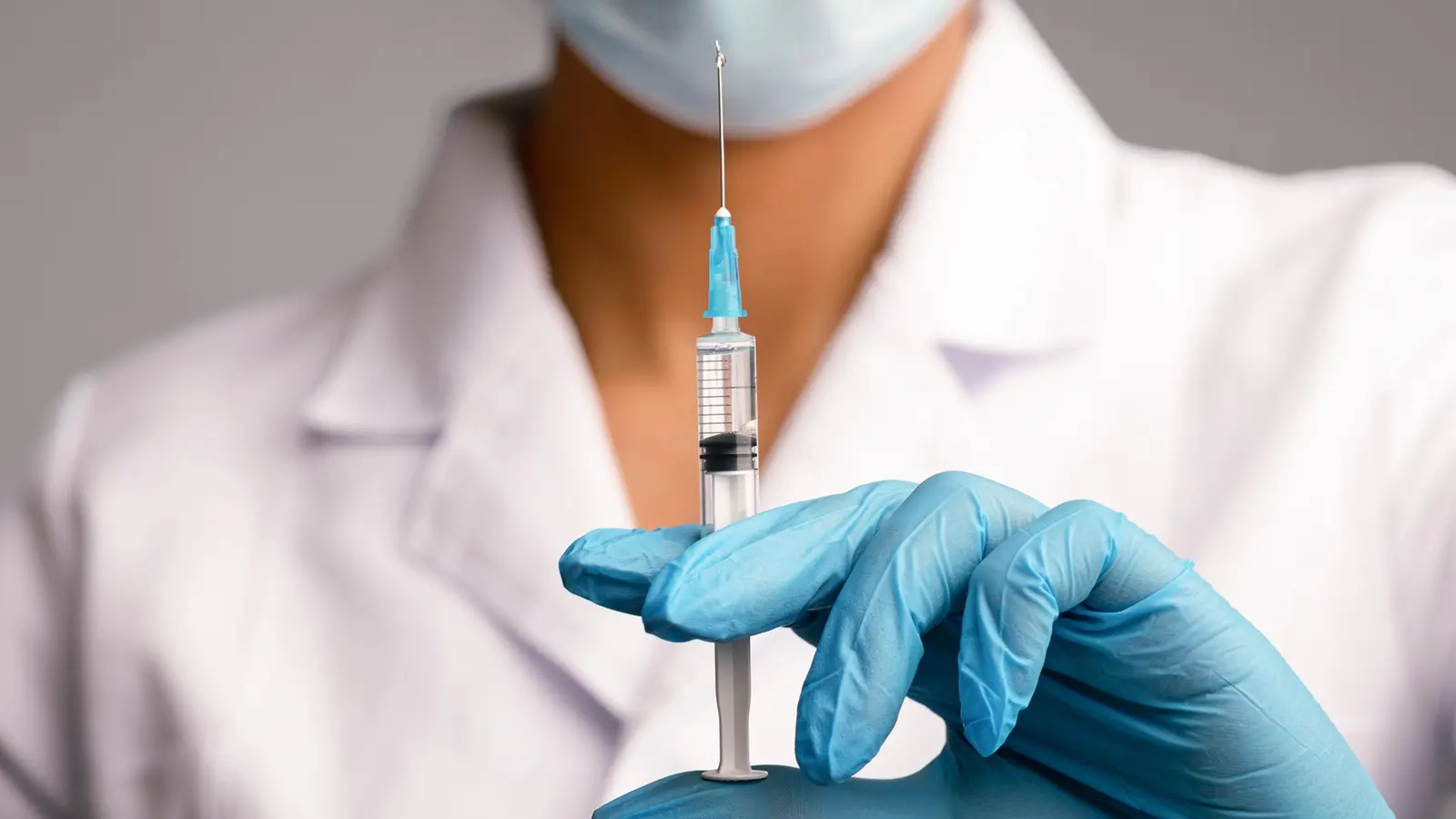
One injection can look the same as the next. The outcome, though, can be very different. For some older adults, the immune system simply fails to rally — even after multiple COVID-19 boosters.
Researchers working at the Max Delbrück Center and the University of Oxford have tracked down a curious ally: spermidine, a small molecule made by our own cells and found in foods like wheat germ, mushrooms and aged cheeses. In a pilot study published in Aging Cell, a daily spermidine supplement nudged the immune system of some older participants toward a stronger vaccine response.
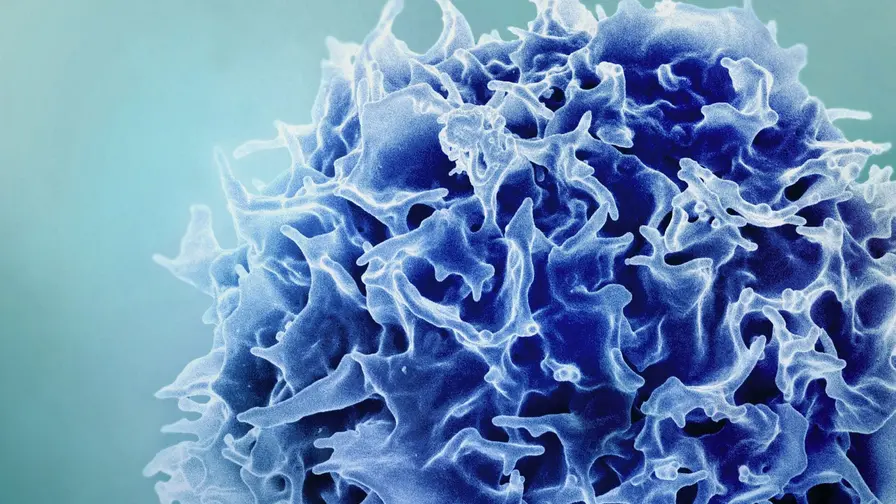
Spermidine is not a flashy drug. Think of it as cellular housekeeping. Over time, cells accumulate damage and clogs. Autophagy — the process that clears worn parts and recycles useful material — slows down with age. Spermidine helps revive that cleanup crew, and that may be precisely what some aging immune cells need.

Here’s what the team did. Forty healthy volunteers aged 65 and older received a third COVID-19 vaccine dose, then were given either 6 milligrams of spermidine daily or a placebo for 13 weeks. About one in four participants produced surprisingly weak antibody responses even after three vaccine doses. Their immune cells carried telltale signs of biological aging: more DNA damage and markers of cellular senescence.
Among those poor responders, spermidine made a measurable difference. People who took the supplement showed higher antibody levels and better neutralizing activity against multiple SARS-CoV-2 variants in laboratory tests. At the same time, markers of immunosenescence fell and autophagy markers rose, suggesting cells were doing a better job of housekeeping. The supplement was well tolerated and produced no obvious adverse effects during the trial.
The study’s authors — including Katja Simon at the Max Delbrück Center and Ghada Alsaleh at Oxford — stress caution. This was a small, early trial designed to explore feasibility and biological signals. Larger, controlled studies are required to confirm whether spermidine can reliably strengthen vaccine-induced protection and whether similar benefits extend to other vaccines, such as seasonal influenza.
Spermidine shows promise as a low-cost way to revive aspects of aging immunity, but it is not a proven solution — more research is essential.
The idea that a dietary molecule could sharpen an older immune system is enticing. Simple, accessible interventions that restore cellular cleanup may one day become part of how we keep vaccines working as we age. For now, the findings open a clear path: test wider, test longer, and see whether this quiet compound can make a big difference.

Leave a Comment
Comments
No comments yet. Be the first.