
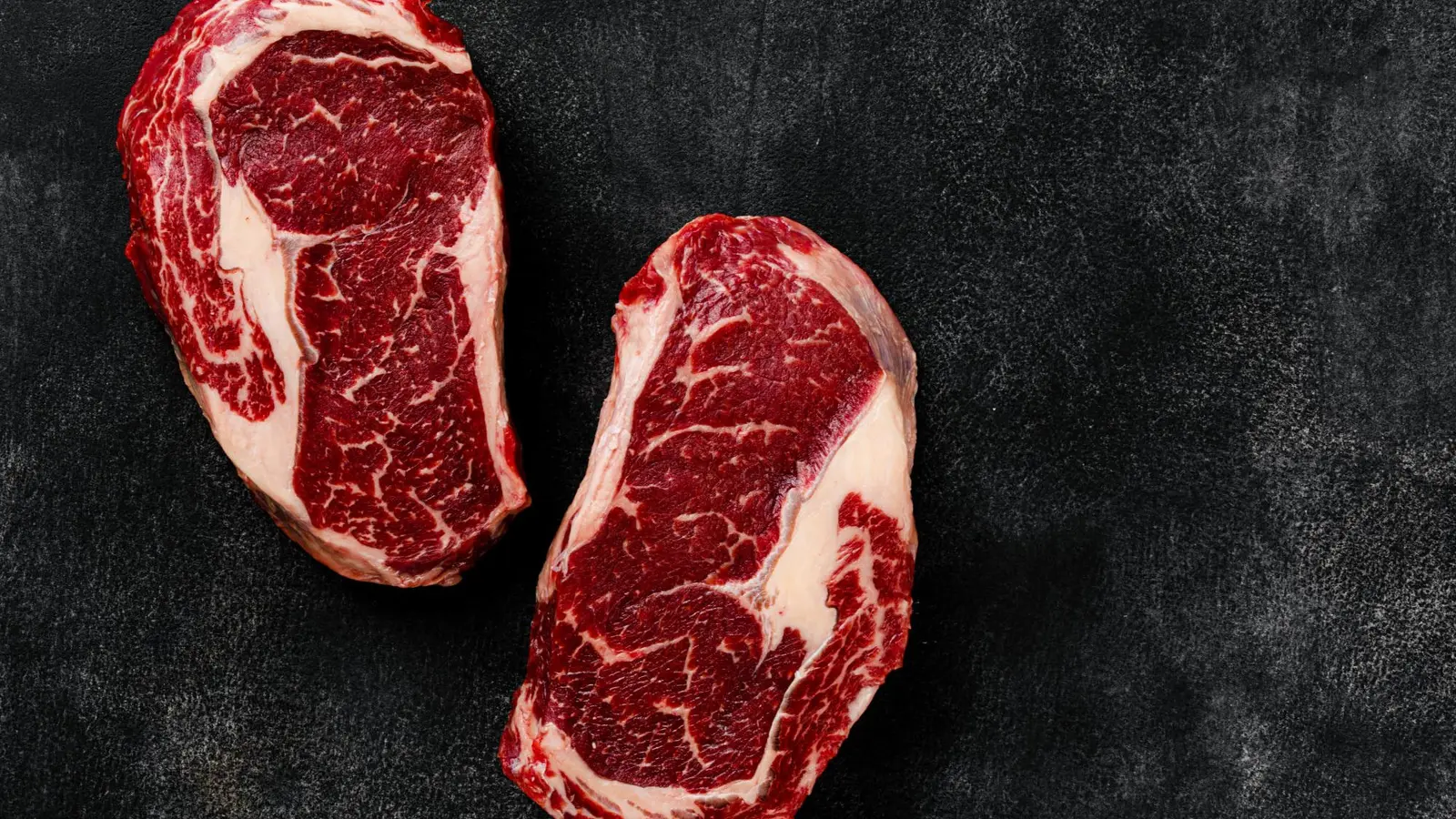
Imagine a sugar your body quietly treats like an invader, yet you serve it on your plate. That paradox is at the heart of new French research linking a meat-derived molecule to a substantially higher risk of type 2 diabetes.
Researchers analyzing nearly 90,000 participants in the long-running NutriNet-Santé cohort report that people with the highest intake of a molecule called N-glycolylneuraminic acid — Neu5Gc for short — had a 63% higher risk of developing type 2 diabetes than those with the lowest intake. The findings, shared at the European Association for the Study of Diabetes meeting, don’t prove cause and effect. But they open a fresh line of inquiry into how components of red meat might fan the flames of chronic inflammation and metabolic disease.
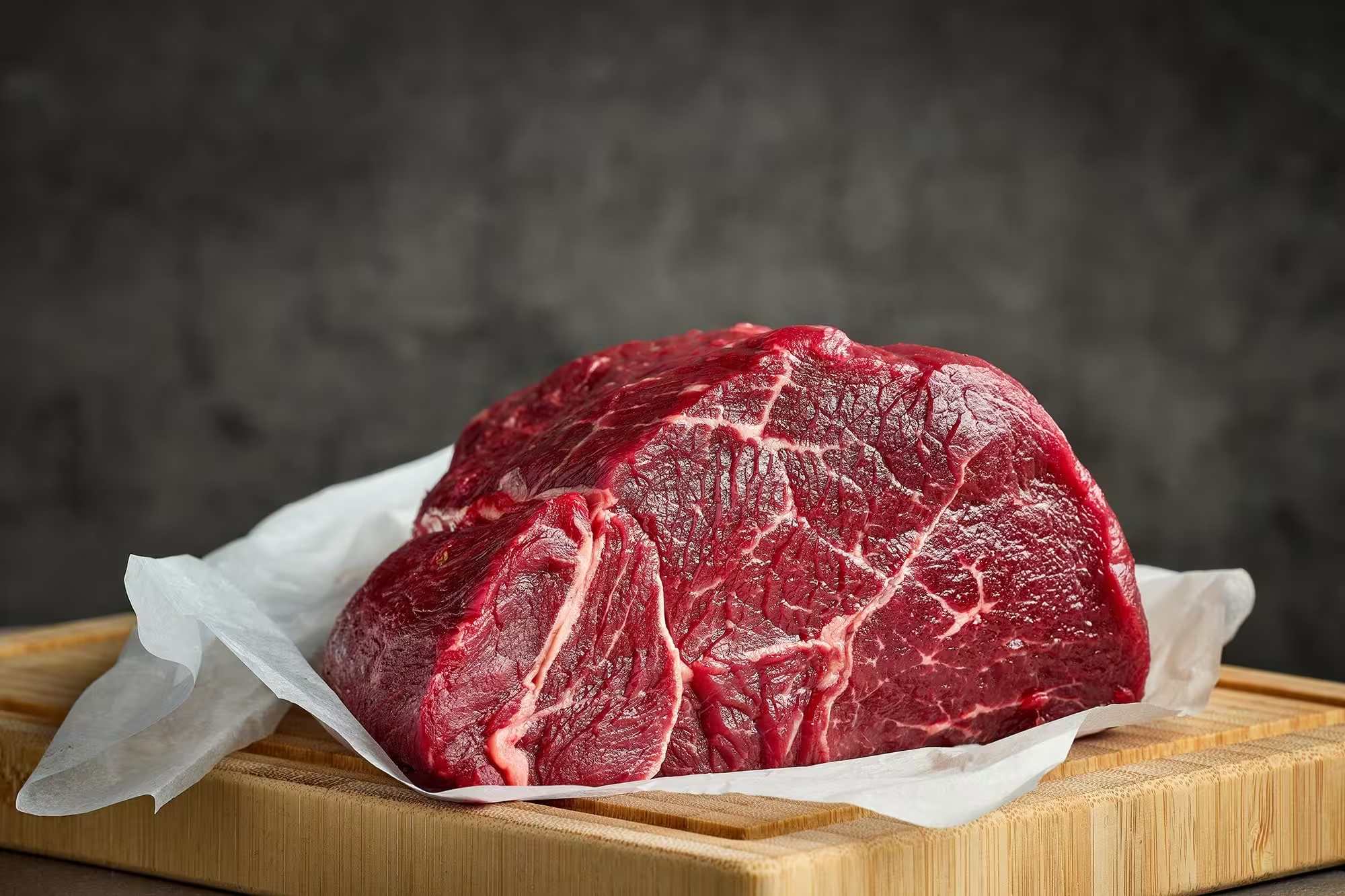
The story starts with an evolutionary quirk. Most mammals make Neu5Gc naturally, but humans lost that ability long ago through a mutation in the CMAH gene. Meat from animals such as beef and lamb still contains Neu5Gc, and traces of it can become incorporated into human tissues after we eat them. When a foreign molecule becomes part of our own cells, the immune system may respond — producing antibodies and a persistent low-level inflammation researchers call xenosialitis.
Xenosialitis isn’t a new suspect. It’s been implicated in cardiovascular disease and cancer before. What this French team set out to test was whether the same mechanism could help explain why eating red meat has repeatedly been associated with type 2 diabetes in epidemiological studies.
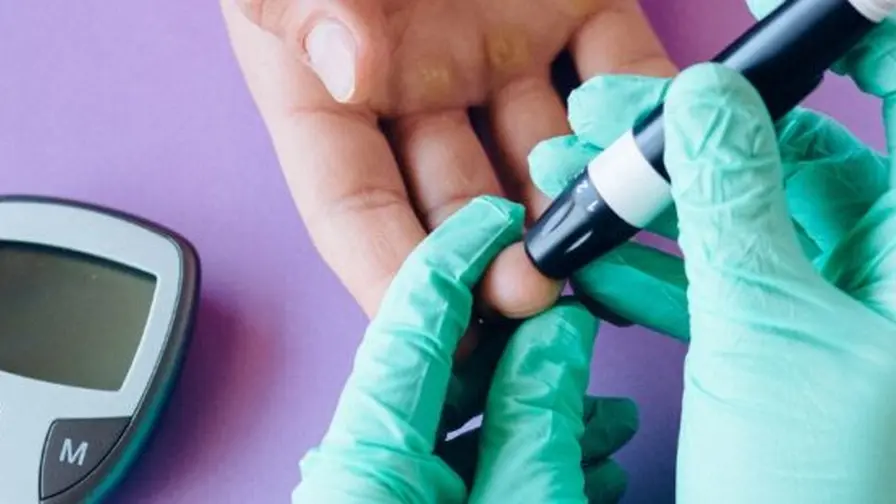
They turned to dietary data from 89,953 adults in NutriNet-Santé. Average age was 42, and most participants were women. None had diabetes or cancer at the study’s start. Over a median follow-up of 7.2 years, 966 people developed type 2 diabetes. Each participant completed three separate 24-hour food records; the investigators then used a measured Neu5Gc food database to estimate intake and to separate Neu5Gc coming from meat versus dairy.
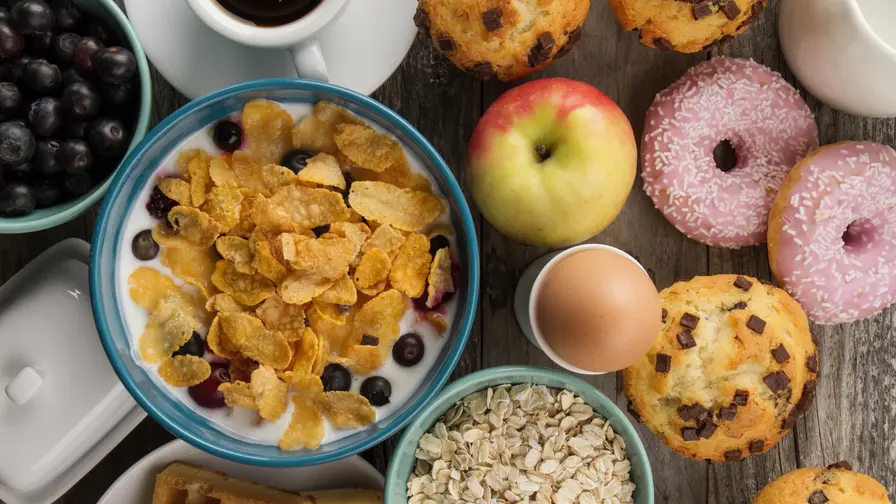
Not all Neu5Gc is equal. Meat sources analyzed included beef, lamb, pork, rabbit, goat and game, while processed meats were tallied in their own category and dairy was evaluated separately. When participants were grouped into quintiles by meat-derived Neu5Gc intake, those in the highest quintile showed the biggest jump in diabetes risk: a 63% relative increase compared with the lowest-intake group. The second-highest group had a 41% higher risk. Across all food sources combined, the highest Neu5Gc consumers faced a 37% higher risk, but the signal was largely driven by meat.
The numbers help translate these words into everyday portions. In the highest meat-Neu5Gc group, median daily red meat consumption was 97 grams for men (about 3.4 ounces) and 73 grams for women (about 2.6 ounces). Add processed meats and those medians rise to 136 grams for men and 96 grams for women. In the lowest-intake group, medians were a mere 21 grams for men and 9 grams for women.
The relationship persisted after adjusting for age, sex, activity level, smoking, diet quality and several health conditions. Including body mass index in the models weakened the link but did not erase it; the researchers estimated obesity explained roughly 13% of the association. That suggests part of the effect could be mediated by excess weight, while another part may stem from inflammation that impairs insulin production or insulin sensitivity.
Yet the signal is complicated. Once the team adjusted for total red meat consumption, the Neu5Gc association lost statistical significance. In other words, it’s hard to tease Neu5Gc’s contribution away from other aspects of red meat — heme iron, processing methods, cooking byproducts — that might also raise diabetes risk. Dairy-derived Neu5Gc showed no link to diabetes, a difference the authors attribute to lower Neu5Gc concentrations in milk and to smaller typical serving sizes.
What’s the next move? The investigators are already planning more focused tests. Measuring anti-Neu5Gc antibodies directly in large cohorts would allow scientists to probe whether a true immune response — rather than dietary estimates alone — predicts disease. They also want to analyze Neu5Gc alongside other red-meat components such as heme iron to see whether a combination of factors, rather than a single molecule, drives risk. And from a practical standpoint, the researchers suggest that swapping beef and lamb for poultry or plant proteins could be an avenue to test in prevention studies.
For now, the results are preliminary and observational. Dietary records can misreport what people actually eat, unmeasured social or lifestyle factors might influence outcomes, and the analysis has yet to be externally validated. Still, the paper adds a provocative twist to the red-meat debate: a sugar that behaves like a foreign invader could be one of the sparks setting off long-term inflammation and metabolic decline.
Whether that spark turns into a wildfire depends on further experiments — and on whether our immune systems, in trying to protect us, might sometimes betray us instead.

Leave a Comment
Comments (1)
is this even true? Neu5Gc as a diabetes trigger sounds wild. Could be part of the story, but red meat brings heme iron, processing, lifestyle confounders. curious, needs antibodies measured.