
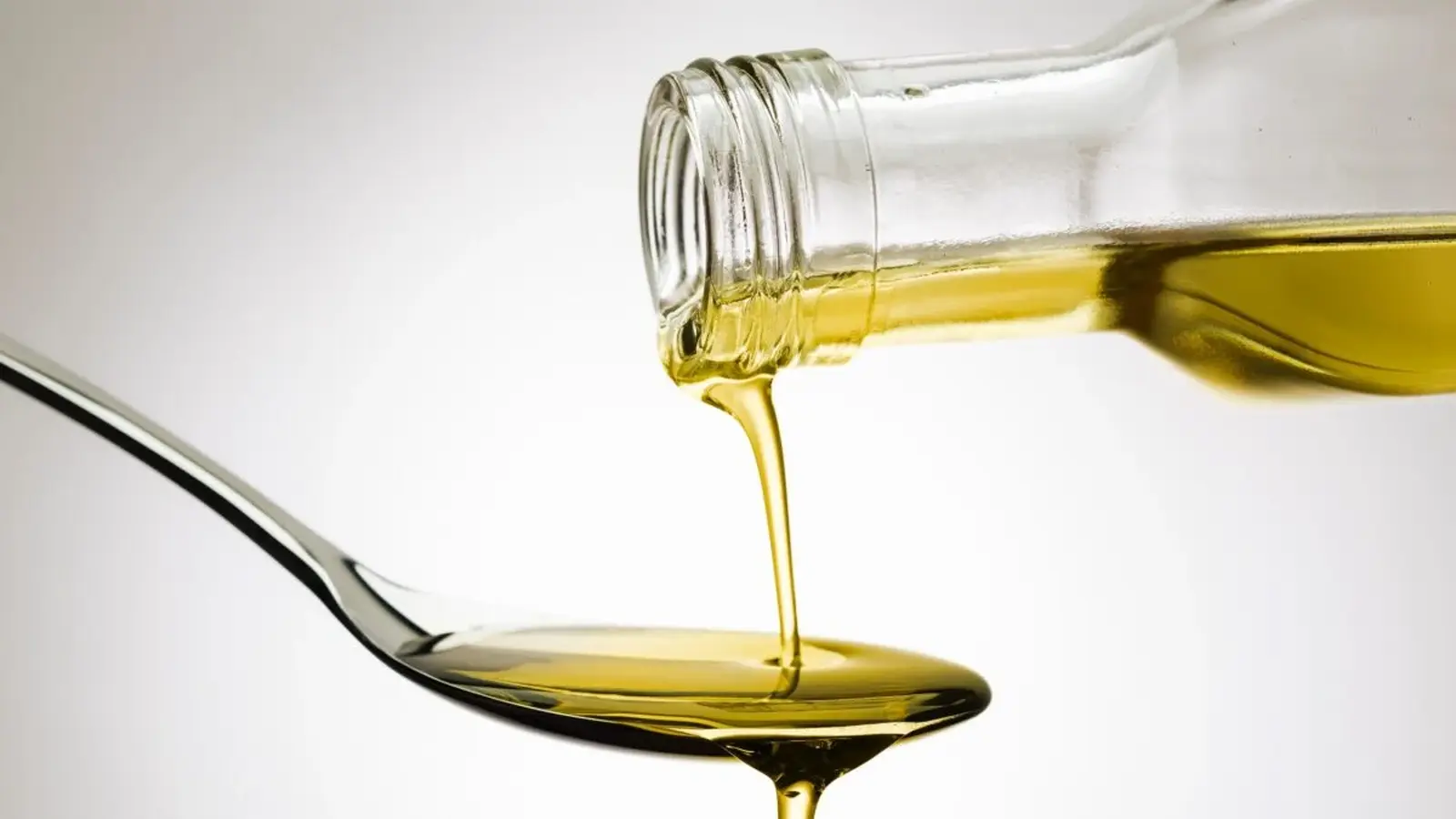
A spoonful of olive oil before a sugary load changed everything for mice. The effect was immediate: smaller early blood‑sugar surges, slower stomach emptying, and a cascade of hormone and nerve signals that together kept glucose from flooding the bloodstream.
Researchers gave mice an overnight fast and then tested three feeding routines. One group received olive oil 15 minutes before a glucose dose. Another got glucose first, then oil. A control group had water followed by glucose. The animals that received olive oil ahead of carbs showed significantly lower blood glucose at the 15‑ and 30‑minute marks; by 60 minutes the advantage largely faded.
Why did timing matter? The mice fed oil first emptied their stomachs more slowly and had higher circulating levels of glucagon, GIP, and GLP‑1—hormones known to influence appetite, insulin secretion, and nutrient handling. When researchers blocked glucagon or GLP‑1 signaling individually, olive oil still offered benefit. When both pathways were shut down, the blood‑sugar advantage weakened or disappeared and gastric emptying no longer slowed.
There was another twist: sever the vagus nerve and olive oil's protective effect also vanished, even though the hormonal signals remained. That suggests the response is not purely endocrine. Instead, an integrated endocrine‑neural loop appears to be doing the work—nutrient sensing in the gut triggers hormones and nerve signals that slow gastric transit and restrain early glucose excursions.
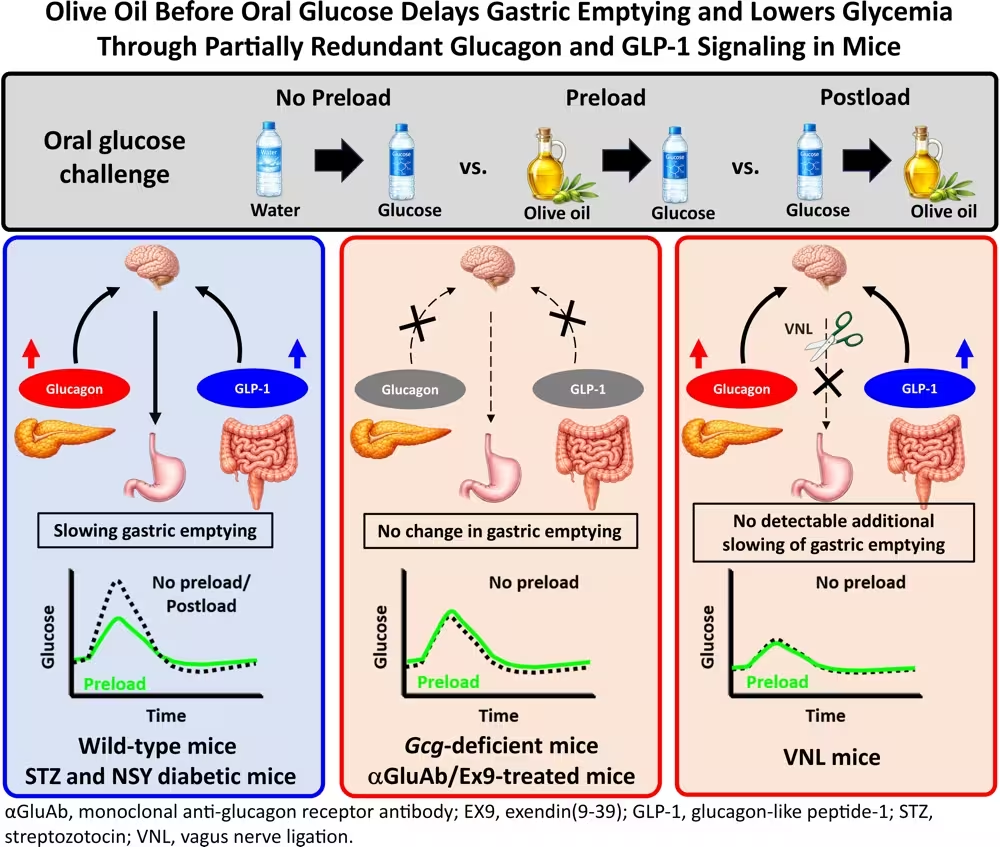
Eating fat before carbohydrates engaged both hormones and nerve pathways, together blunting the initial blood‑sugar spike in mice.
The team compared different fats as well. Olive oil tended to perform best at limiting early glucose rises; flaxseed oil and lard produced similar responses on some measures, while coconut and fish oils were less consistent. Crucially, the same preloading trick produced benefits in mouse models with impaired insulin production, indicating the mechanism can operate even when insulin signaling is compromised.
How might this translate to people? Meal sequencing—eating vegetables, protein, or fat before carbs—has already shown promise in human studies for lowering postprandial glucose. The new mouse work adds mechanistic color, pointing to slowed gastric emptying plus coordinated hormone and vagal signaling as the likely actors. One plausible explanation is that consuming fat first activates fatty acid sensing and alpha‑cell responsiveness before glucose levels climb, whereas eating glucose first may blunt that early fatty‑acid response.
That said, mice are not humans. Metabolism differs across species, and dosing, timing, and the types of fat people use in real meals will matter. Still, olive oil is a familiar pantry ingredient and an easy candidate for human testing—no exotic supplements required, just a shift in meal order.
For clinicians and curious eaters alike, the study reinforces a simple idea: how you eat can be as important as what you eat. Watch this space—human trials testing a spoonful of oil before a carb‑heavy meal could arrive soon, and they may reshape small, practical strategies for blood‑sugar control.

Leave a Comment
Comments
No comments yet. Be the first.