
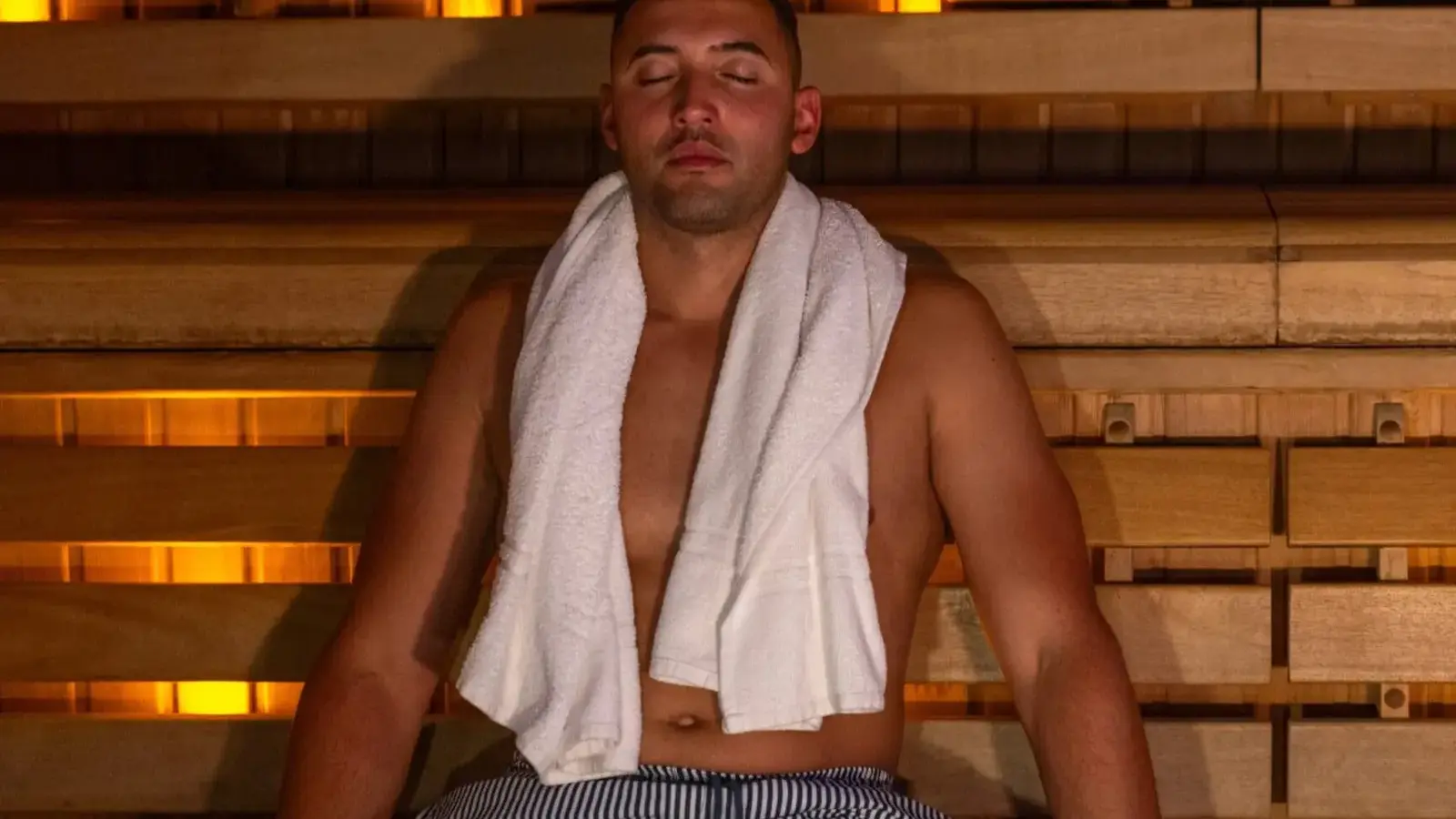
Thirty minutes in a Finnish sauna can briefly transform your bloodstream into a frontline battalion. Short-lived reinforcements, mobilized by heat. That’s what researchers in Turku found when they asked 51 middle-aged volunteers to sit in a traditional sauna at roughly 73°C and take a cold shower midway through the session.
Blood drawn immediately after the session showed a measurable rise in several types of white blood cells: neutrophils — the first responders against infection; lymphocytes, including those tied to immune memory; monocytes, which scavenge debris and pathogens; and even eosinophils and basophils, cells linked to inflammatory reactions. The pattern looked familiar. In many ways it resembled the temporary immune shifts that follow exercise.
Most of those increases had vanished within 30 minutes of leaving the sauna.
Why the surge? One plausible explanation, offered by Ilkka Hannonen, a sports scientist at the University of Turku, is redistribution: heat releases white blood cells from tissues into the circulation, giving them a transient chance to patrol the body more widely. Think of it as a muster call that sends troops out on a short reconnaissance mission.

But mobilization isn't the same as strengthening. The study reported little average change in circulating cytokines — the immune system’s signaling proteins — although a few rose in tandem with body temperature. In plain terms: more cells were passing through the bloodstream for a moment, but there wasn’t clear evidence of a sustained, amplified immune signal.
Context matters. Observational research has linked regular sauna bathing with lower rates of certain illnesses, including pneumonia, and with cardiovascular benefits like reduced blood pressure. A 2023 study also suggested repeated sauna use can alter counts of T cells and natural killer cells, and that prior sauna experience changes how the immune system reacts. Habit seems to shape the response.
This Turku experiment has limits. The sample was small and confined to 51 people. Blood was tracked only up to 30 minutes after the session, and key immune subgroups — such as distinct T-cell types and natural killer cells — weren’t separately quantified. The cold shower in the middle of the session complicates interpretation too: was the immune ripple triggered by steady heat, by abrupt temperature swings, or by both?
So where does that leave us? A half-hour sweat is enough to produce detectable, exercise-like shifts in circulating immune cells. Whether those fleeting changes translate into better protection against infection remains unknown. And it’s worth remembering that intense heat carries risks for some people, so medical guidance is wise before embracing prolonged sauna sessions as therapy.
Promising signals. Clear answers still pending.

Leave a Comment
Comments
No comments yet. Be the first.