

Imagine a diabetes pill that quietly chips away at the danger of heart attacks and strokes—not by lowering sugar alone, but by changing how blood behaves. That is the image emerging from a new set of experiments at Michigan Medicine where sotagliflozin, sold as Inpefa, appears to blunt the overactive platelets that build the clots responsible for many ischemic events.
In mouse models with injured vessels, sotagliflozin reduced clot formation by roughly 60 percent. The contrast was stark: empagliflozin—one of the standard SGLT2 inhibitors—cut clots by only 5 to 10 percent in the same test. Short and decisive. The lab work, published in the Journal of Clinical Investigation, suggests the drug’s dual action on SGLT1 and SGLT2 may explain cardiovascular benefits that go beyond its ability to lower glucose.
Why would a glucose transporter blocker affect clotting? Because platelets and the cells that line blood vessels are not passive. They sense and respond to metabolic cues. The team examined blood from healthy volunteers and people with type 2 diabetes and found that sotagliflozin dampened platelet activation and made platelets less prone to aggregate. Empagliflozin did not produce a similar effect. Put simply: the pill made the body’s clotting cells calmer.
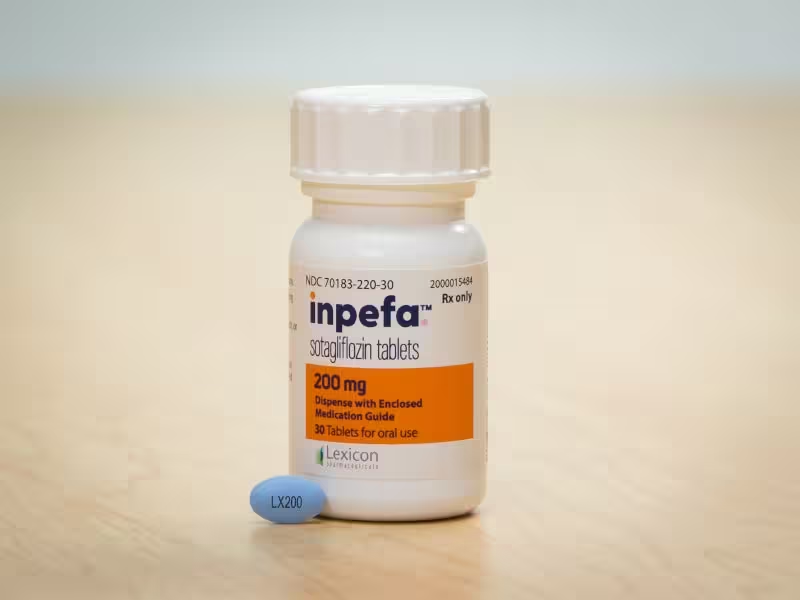
That calm is not trivial. Platelets are essential for stopping bleeding, but when they overreact inside arteries they seed clots that can choke blood flow to the heart or brain. A therapy that reduces pathological platelet activity without causing bleeding would be a clinical prize. The researchers probed the mechanism by removing SGLT1 from mouse platelets genetically; clotting fell by about 40 percent. Yet neither that genetic trick nor a selective SGLT1 blocker, mizagliflozin, reproduced sotagliflozin’s full effect. Something else is at play—possibly interactions with endothelial cells, the vessel-lining cells that converse constantly with platelets.
Experts on the study note a practical sweet spot. Drugs that heavily target SGLT1 can cause gastrointestinal side effects, limiting their tolerability. Sotagliflozin’s balanced profile may hit protective biology without triggering those problems, a balance that one co-author described as promising enough to call the molecule a potential “wonder drug.”
The implications reach beyond diabetes. Sotagliflozin already has FDA approvals for reducing certain cardiovascular risks in adults with heart failure and in people with type 2 diabetes plus chronic kidney disease and other risk factors. Could its anti-clotting properties help patients with atrial fibrillation or chronic kidney disease? The lab and animal data point in that direction, but human trials will be the arbiter—especially to ensure clot reduction does not come at the price of bleeding complications.
There are still gaps to fill: which tissues and molecular pathways beyond SGLT1 are mediating the platelet changes, and how large an effect will appear in diverse patient populations? Clinical research is needed. For now, sotagliflozin’s ability to quiet platelet hyperactivity offers a tantalizing glimpse of a drug that protects the heart and brain while managing blood sugar, and that possibility alone shortens the distance between hope and a very different kind of prevention.


Leave a Comment
Comments
No comments yet. Be the first.