

Two weeks. That was enough time for doctors to spot a surprising shift in immune activity after people started taking a common diabetes drug.
Drugs called SGLT2 inhibitors—names you might recognize like empagliflozin (Jardiance), dapagliflozin (Farxiga) and canagliflozin (Invokana)—are best known for lowering blood sugar by nudging kidneys to shed extra glucose. They also trim a bit of weight and protect hearts and kidneys. What researchers at Vanderbilt uncovered is one more trick up their sleeve: a direct change in how certain white blood cells behave.
In a small clinical study, investigators followed 16 women with obesity and prediabetes who took empagliflozin for three months. Blood was sampled before treatment, after two weeks and again at 12 weeks. The team used high-resolution genetic sequencing and cellular imaging to track immune cells. For comparison, a separate group of women followed a low-calorie diet over the same period.
The result was striking. Levels of monocyte–platelet aggregates—clumps formed when platelets stick to inflammatory monocytes—fell measurably within just two weeks and declined further by three months. These aggregates are thought to promote inflammation in blood vessels and to raise cardiovascular risk. Women in the diet group did not show the same decline, suggesting the medication’s effect goes beyond weight loss alone.
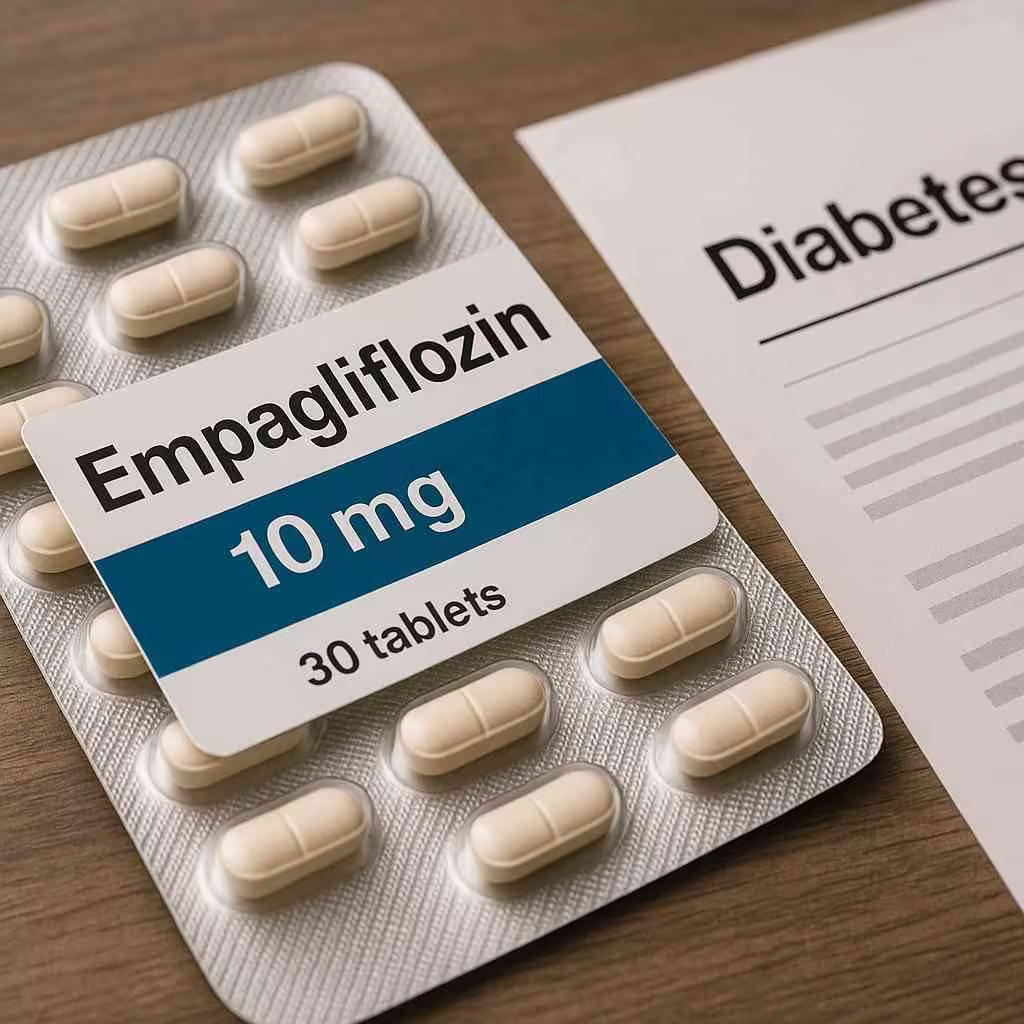
At the cellular level the researchers saw what they called metabolic reprogramming: monocytes shifted away from an aggressive, inflammation-prone metabolism toward a steadier energy state more like healthy immune cells. In plain terms: the drug appears to calm the cells that fan vascular inflammation.
This study provides the first direct human evidence that SGLT2 inhibitors can reshape immune cell behavior, a mechanism that may help explain their heart and kidney benefits.
Those findings, reported in the journal Circulation, raise practical questions. Which patients gain the most from this anti-inflammatory effect? Could new therapies be designed to target the same immune-metabolic pathway? To answer those questions, the Vanderbilt team is launching a larger, randomized placebo-controlled trial enrolling 74 people with obesity and metabolic syndrome. That study will extend the immune profiling and add analysis of adipose tissue to see how inflammation in fat responds to treatment.
It’s an intriguing example of how a drug developed for blood sugar can reveal deeper biology—linking metabolism, immunity and cardiovascular health—and why revisiting familiar medicines sometimes leads to fresh discoveries.


Leave a Comment
Comments
No comments yet. Be the first.