
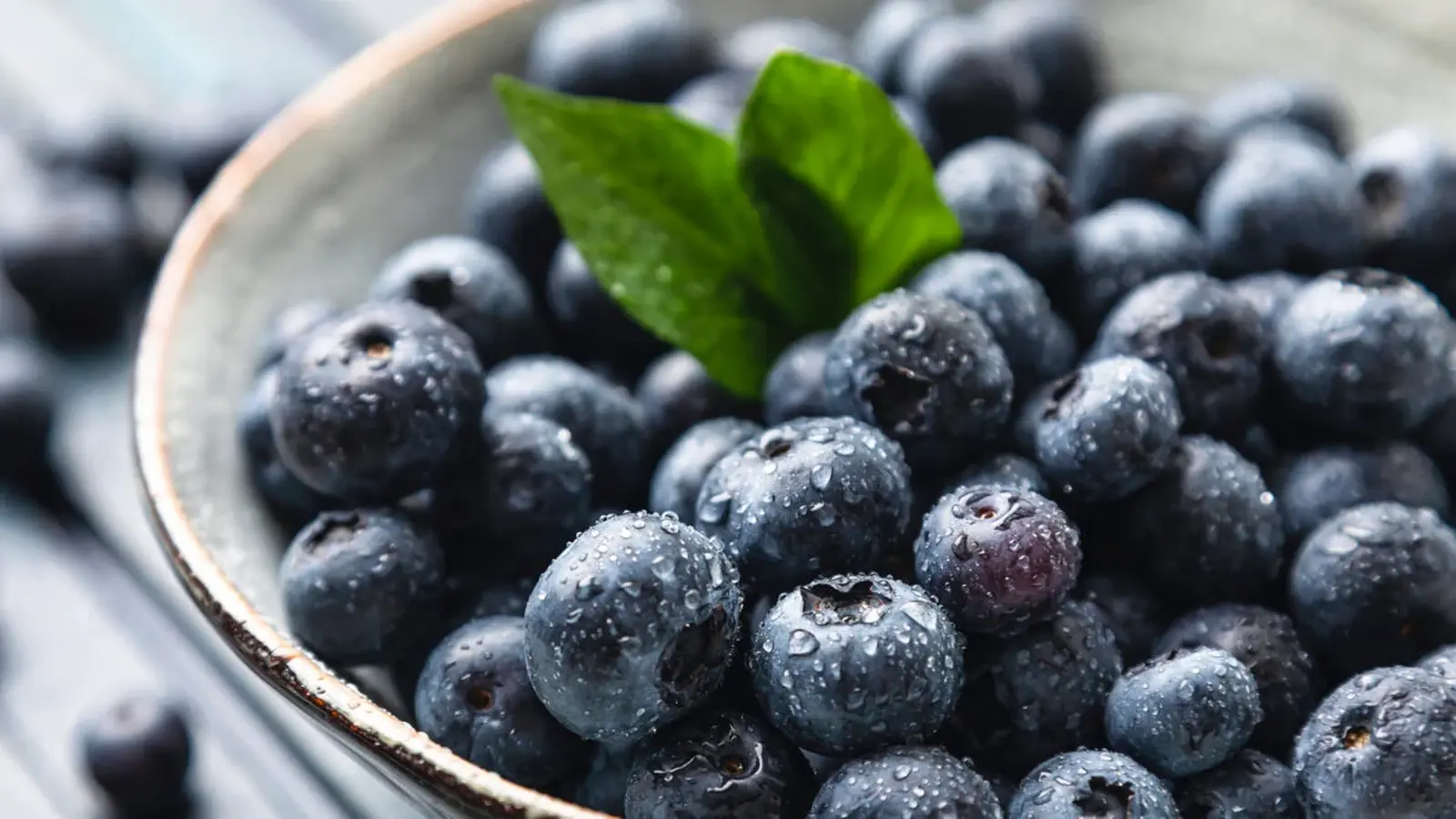
Could a spoonful of frozen fruit be a small ally against low mood? A pilot study from Harvard Medical School suggests it might be worth a second look.
Researchers recruited 18 adults aged 65 and older who described mild depressive symptoms and a largely sedentary lifestyle. For three months, half the group took 48 grams of freeze-dried blueberry powder each day — roughly the equivalent of two cups of fresh berries — while the others received a visually matched placebo. Simple. Affordable. Eating one hypothesis at a time.
Both groups reported improvements in mood after three months. The twist was in the details: those who had the blueberry powder tended to show larger and more consistent gains in depressive symptoms, even though the difference didn’t meet strict statistical significance. Small study. Big caveats. Still, the pattern was intriguing enough that the authors called for larger trials.
Why might blueberries matter? The team looked beyond self-reports and into the gut. Blueberries are rich in fiber and anthocyanins, the pigments that give them their deep color, and both are known to influence gut microbes. In this study, the blueberry group showed modest shifts in the abundance of six bacterial enzyme genes — five increased — including one linked to production of gamma-aminobutyric acid, or GABA, a neurotransmitter often tied to mood regulation.

The gut-brain conversation is messy and bidirectional. Change the microbes, and metabolites they produce can alter signaling pathways that touch the brain. Change the brain’s chemistry, and appetite, digestion and microbial communities can respond. This study doesn’t map that circuit in full, but it drops a breadcrumb trail: dietary blueberries, microbiome changes, and measurable moves on mood scales.
Methodological limits matter here. The sample was small and skewed toward women and white participants, and the people involved had mild, not clinical, depression. Placebo effects likely played a role — simply taking a daily supplement can lift expectations and mood. The researchers were explicit about these limits, framing the trial as feasibility work designed to generate estimates for a bigger, more definitive study.
Still, there is practical appeal. Blueberries are safe, accessible and come with cardiovascular and cognitive benefits already suggested by other research. If larger, more diverse trials confirm even a modest mood benefit, blueberry supplementation could become a low-cost adjunct to established treatments, especially for older adults with limited ability to exercise or get outdoors.
The study was published in the Journal of Nutrition, Health and Aging and was led by molecular nutritionists at Harvard Medical School. The authors urge follow-up work with larger, more varied cohorts and designs that can tease apart placebo effects, baseline differences, and the precise microbial pathways involved. Until then, this is a promising hint rather than a prescription.
So should you eat blueberries every day? It won’t hurt. And it might do more than sweeten your cereal: it could subtly nudge the complex conversation between gut microbes and mood in a healthier direction, pending the larger studies researchers say are needed.


Leave a Comment
Comments
No comments yet. Be the first.