
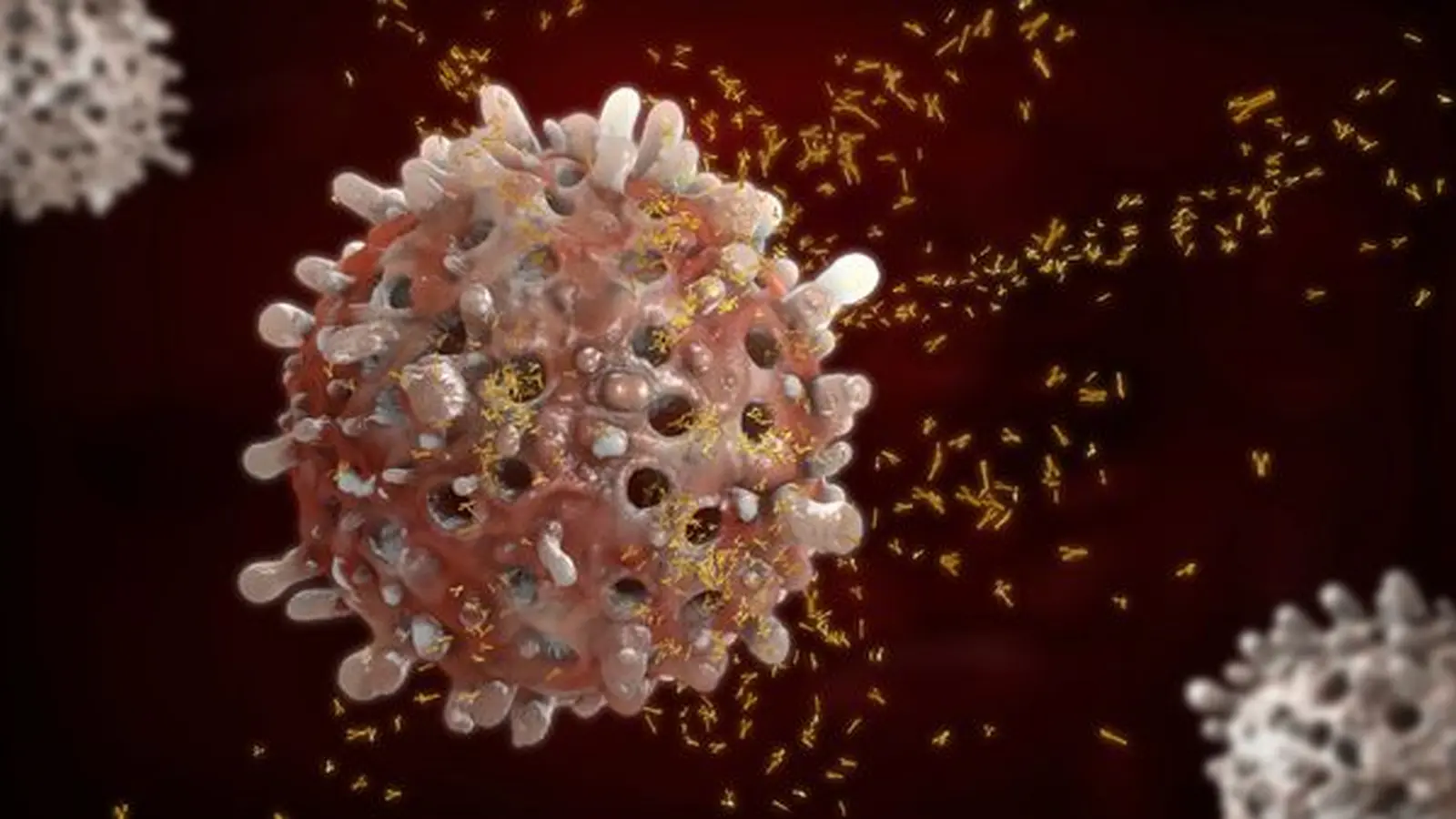
Imagine your immune system raising an alarm about your own cells. Strange, right? In a striking finding, researchers report that 33 of 34 people with systemic lupus erythematosus carried neutrophils riddled with misprocessed RNA—molecular glitches that can make self look like stranger.
Lupus, a chronic autoimmune disorder, can ravage the skin, joints, kidneys, heart and brain. Scientists at the La Jolla Institute for Immunology and the University of Washington set out to ask a specific question: could biochemical errors inside immune cells themselves create the very targets that provoke an attack?
RNA splicing is the cell’s editor. It snips out unneeded segments from a gene transcript so a clean recipe reaches the protein factory. But what if the editor slips? When those edits go awry, the cell can stitch together novel sequences that translate into unusual peptides—short chains of amino acids the immune system has never seen before. These are neoantigens. Simple as that: an internal typo, external alarm.
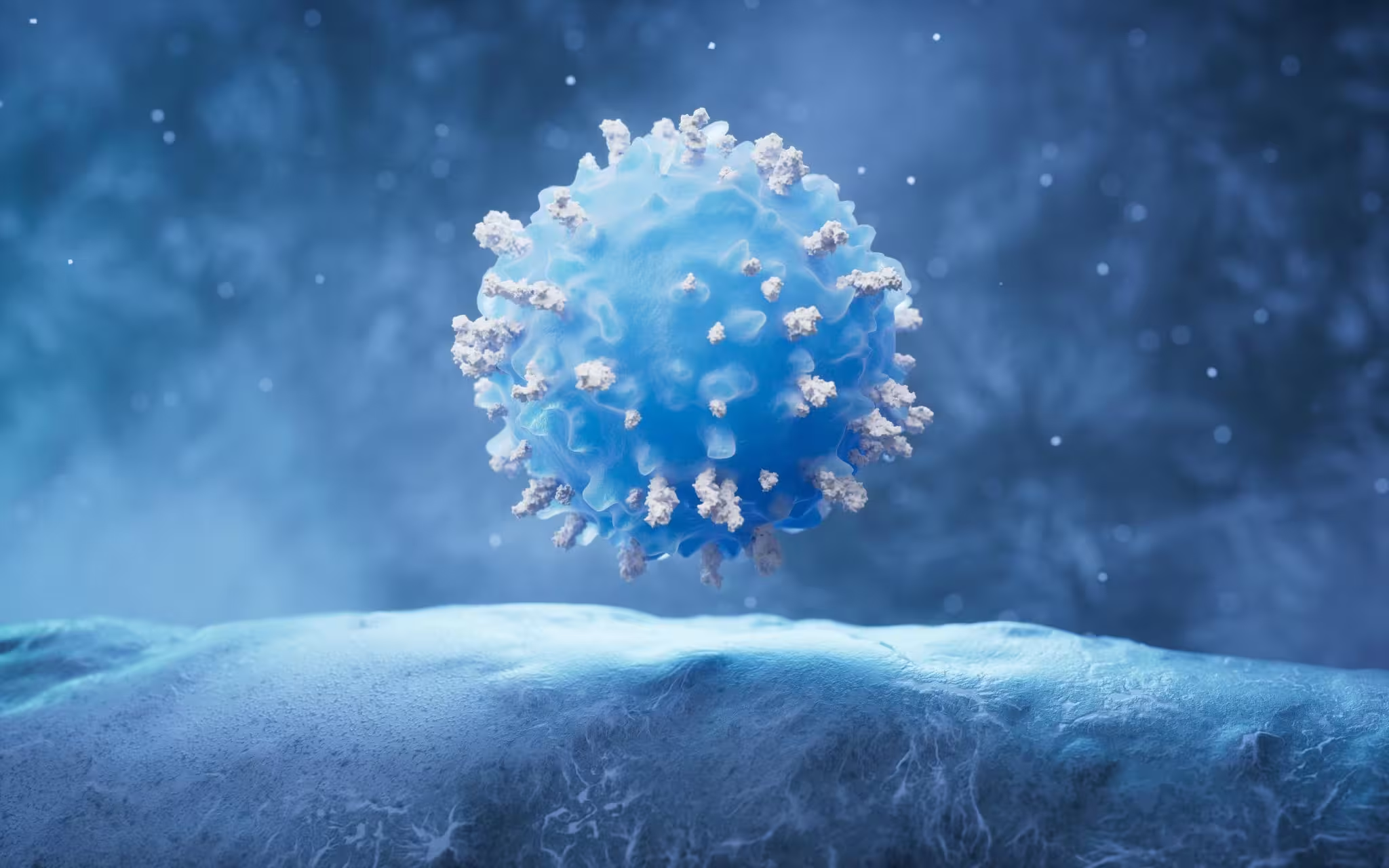
In the new study, neutrophils from nearly every lupus patient tested displayed these splicing errors, producing peptides that T cells and antibody-making B cells recognize as foreign.
That recognition matters. T cells continuously scan peptides presented on cell surfaces. Encounter a foreign-looking fragment amid inflammation and you get an immune response—aggressive and focused. The team, including immunologist Stephen Schoenberger and Tomas Mustelin, found molecular evidence that both T and B cells were poised to react to the aberrant peptides. It’s a concept immunologists have seen in cancer, where mutation-derived neoantigens flag tumors for immune attack. Here, the same logic may apply inside a patient’s own blood cells.
This shifts the conversation about lupus. For decades, explanations centered on a breakdown of immune tolerance—mechanisms that normally teach immune cells to ignore healthy tissue. The new data instead revive the ‘neoantigen hypothesis’: autoimmunity might sometimes be the immune system doing its job correctly, targeting material that really is novel, even though it arises from within.
Of course, the chicken-or-egg question remains. Are these RNA splicing errors an initiating spark or a byproduct of the inflammatory blaze that characterizes lupus? Neutrophils are already implicated in self-amplifying cycles involving autoantibodies, immune complexes, nucleic acids, type I interferons and neutrophil extracellular traps. Pinpointing when mis-splicing appears—before symptoms, at flare onset, or only after chronic inflammation—will be essential to assigning causality.
The practical stakes are high. If neoantigen production turns out to drive disease in a subset of patients, it opens new avenues for diagnostics that detect those rogue peptides and for therapies that intercept the abnormal editing process or the immune response it sparks. Scientists will need longitudinal studies and careful mapping of the neoantigen repertoire in lupus patients to move from hypothesis to treatment.
Curiosity led researchers to look inside a specific cell type and found a molecular breadcrumb trail that could rewrite parts of the lupus story—if future work can trace whether the trail leads to the cause or merely follows the fire it helped fan.


Leave a Comment
Comments
No comments yet. Be the first.