
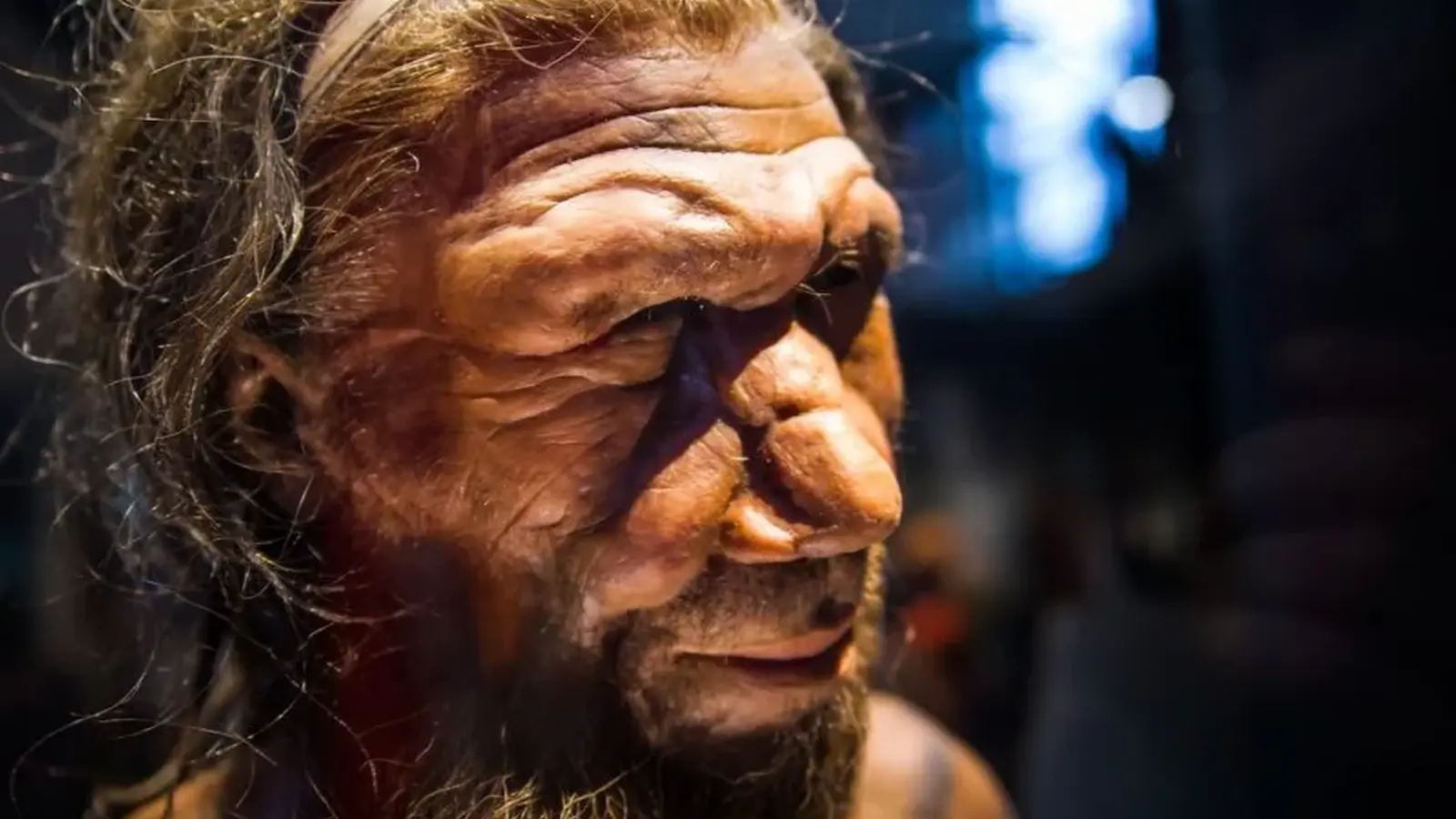
Picture a wool-clad figure hauling meat and tools up a rocky slope. The foot hits the stone, not once but a dozen times. Flat. Wide. Steady. It’s easy to imagine that such a foot would be a liability. New research flips that intuition on its head.
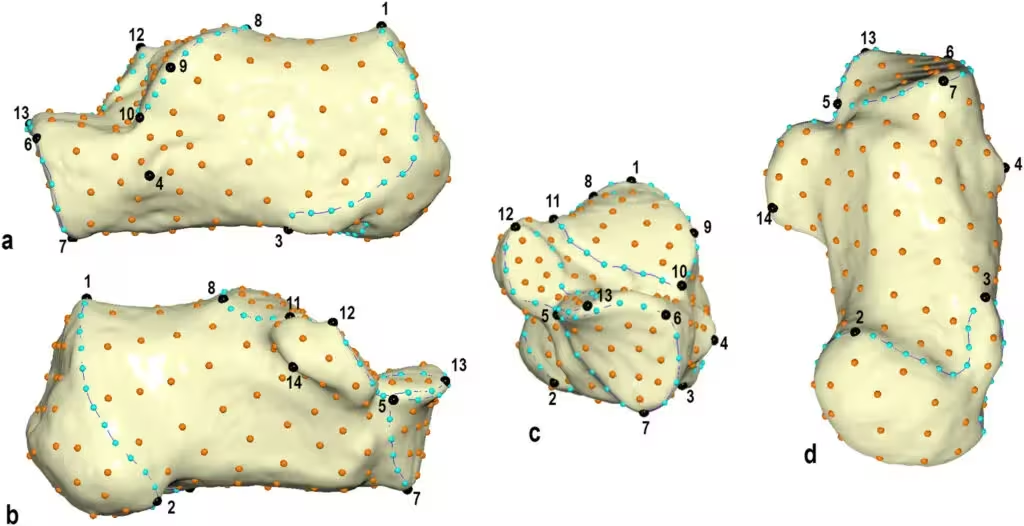
Scientists reconstructing three-dimensional shapes of heel bones—calcanei—have found that Neanderthals didn’t possess flat feet as a defect, but as a working solution for moving in a brutal, uneven world. The team used laser scans, CT imaging and advanced 3D geometric analysis to compare seven Neanderthal calcanei with 64 heel bones from Homo sapiens spanning Pleistocene foragers to Iron Age farmers and modern urban dwellers.
The differences were clear in form and function. Neanderthal calcanei were shorter front-to-back, broader across the heel and generally more robust than those of most modern humans. Their feet tended toward pronation—rotating slightly inward—while the outer longitudinal arch was lower. The midfoot showed greater flexibility and mobility. Neanderthals’ flat-footed anatomy appears not to be a defect but an adaptation for balance and load-bearing.
Why would that matter? Because a broader, more mobile midfoot and a stout heel distribute impact forces differently. On jagged slopes and rocky paths, that design dampens shocks, stabilizes the body and makes balancing heavy loads easier. It aligns neatly with what we already know about Neanderthals: a heavily muscled, thick-boned physique and a lifestyle that demanded intense, sustained physical effort.
Intriguingly, not all humans today look the same in the bone. Heel bones from prehistoric hunter-gatherers—people who walked barefoot long distances or wore soft soles—looked more like Neanderthals’ than like the gracile calcanei of postindustrial city-dwellers. The researchers link that change to modern habits: less daily mechanical loading and the ubiquity of stiff-soled shoes that limit natural foot motion. Over generations, those altered stresses appear to have nudged bone form toward slimmer, weaker shapes.
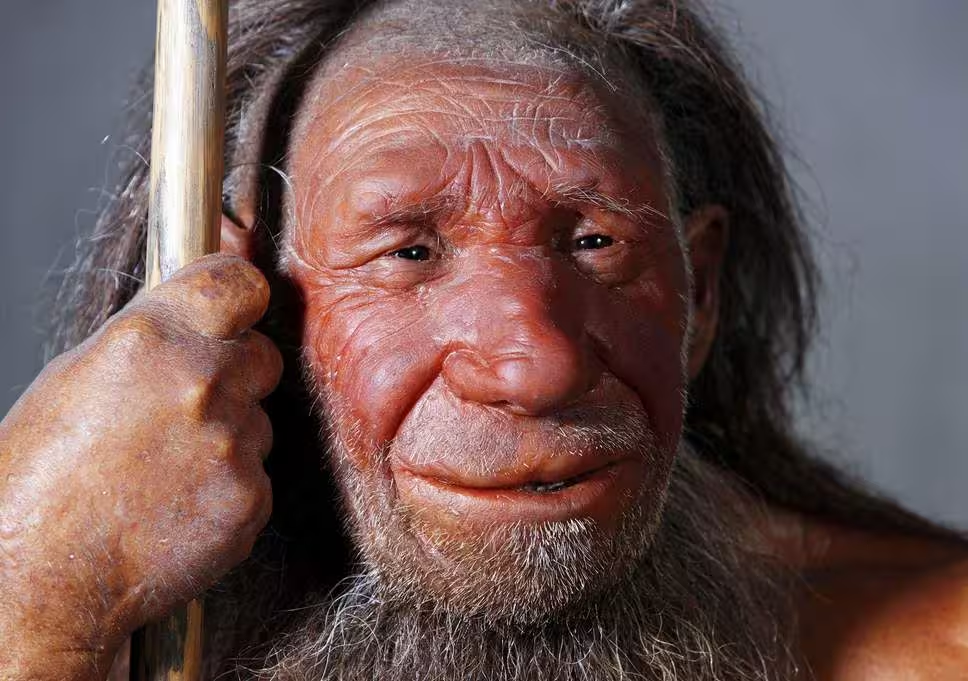
Maria Giovanna Belcastro of the University of Bologna, who led the study, emphasizes that skeletons record behavior as much as genes. Put simply: what you do with your body sculpts the bones beneath it. That insight bridges paleoanthropology and clinical orthopedics, suggesting ancient walking strategies can inform modern ideas about foot health and shoe design.
Published in the Journal of Human Evolution, the paper offers both a fresh portrait of how our close relatives moved and a reminder that bones are living archives of habit. Next time you lace up stiff shoes, consider how your stride might be writing the story of a future skeleton.


Leave a Comment
Comments
No comments yet. Be the first.