
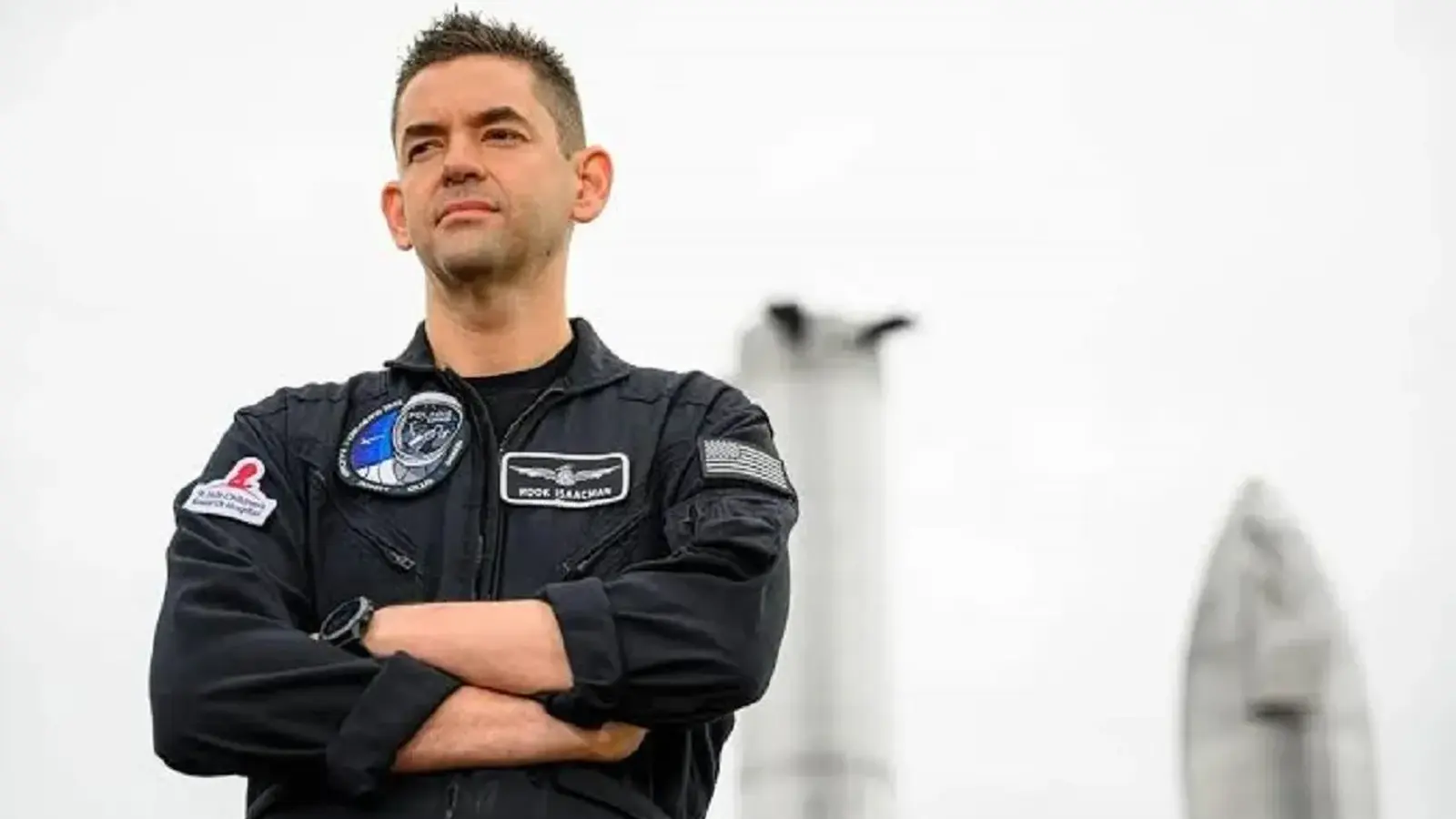
Think of a steady drumbeat: one giant rocket, once a year. That cadence, NASA's leader says, is the rhythm Washington needs to reclaim and sustain human presence on the Moon.
Jared Isaacman, identified in recent interviews as the agency's director, told Space.com that the Artemis program must move beyond occasional showpieces. The triumph of Artemis 2 in April 2026 proved the concept could work, he argued, but a single success is not a strategy. Keeping the hardware flying, the teams practiced, and the technical muscle honed — that is how an ambitious schedule turns into routine capability.
Artemis is not a single mission. It is a sequence of increasingly complex steps. The next flights will use NASA's Space Launch System to carry Orion crews into lunar-adjacent orbits, where they will test orbital hookups with commercially developed landers. Artemis 3, now slated as a rehearsal rather than a touchdown, will check whether Orion can rendezvous and dock with landers such as SpaceX's Starship or Blue Origin's proposed lander.
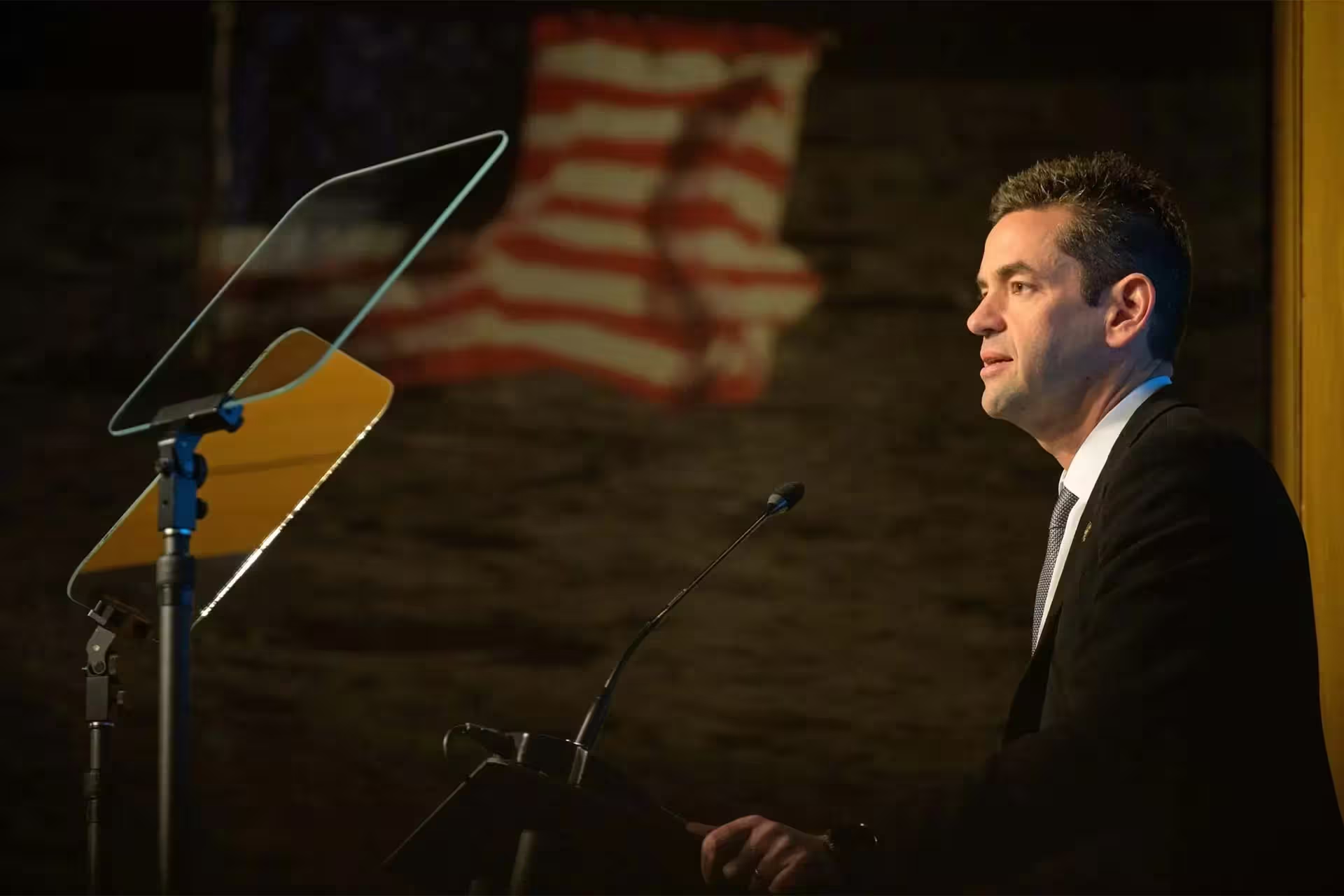
Why the emphasis on repetition? Because spaceflight is unforgiving and skill degrades without practice. Isaacman rejects the idea that an annual launch is merely adequate; he calls it a bare minimum for deep-space crewed operations. He admits we are no longer in the Apollo or early shuttle era when launch rates were far higher, but he maintains that the United States must squeeze maximum value from every taxpayer-dollar mission and reinforce operational memory with each flight.
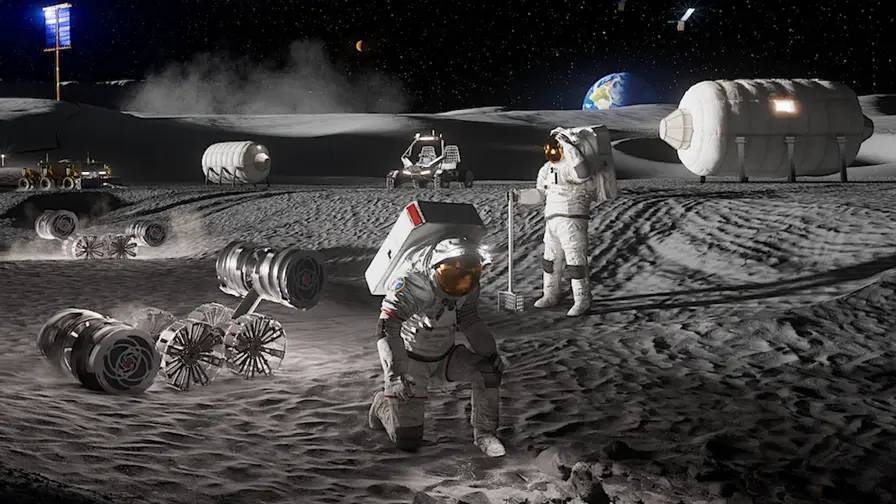
NASA's aim, he said, is to translate a single triumph into sustained capability: regular launches, steady technical development, and an eventual, durable human presence on the Moon.
Underlying the urgency is a geopolitical reality. The Artemis timetable — NASA hopes to return astronauts to the lunar surface around Artemis 4 in 2028 — now runs up against China’s own lunar plans, which Beijing has publicly targeted for the late 2020s. Isaacman warned that this is not a parochial contest about planting flags; who establishes reliable access to the Moon will shape global confidence in technologies and security partnerships across many sectors.
China, he noted, has displayed prototypes of landers, rovers, and spacesuits and is designing crewed missions around reusable architectures and multi-launch approaches. That technical progress shrinks the margin the United States once enjoyed. The stakes reach beyond exploration: they sweep into areas like artificial intelligence, computing, mobility and defense platforms — arenas where future customers and allies will choose which technological ecosystem to trust.
So NASA's answer, according to Isaacman, is to keep the launch cadence steady and the engineering muscles flexed. The agency will press on with SLS flights, commercial partnerships for lunar landers, and the stepwise testing that makes a moon landing more than a momentary headline. The competition will be fierce. The timetable will be tight. The work, for everyone involved, is only beginning.

Leave a Comment
Comments
No comments yet. Be the first.