
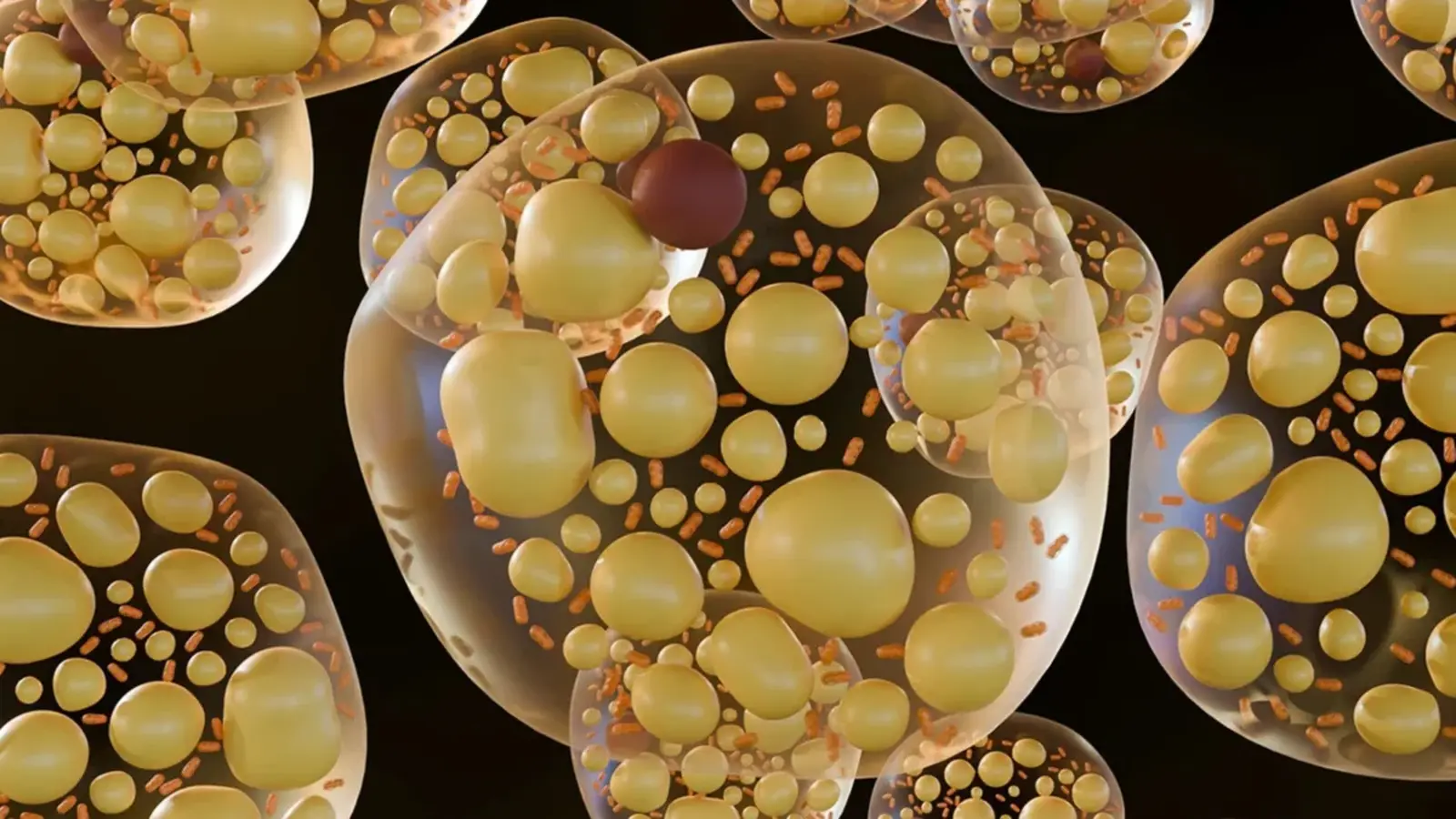
On a routine PET/CT scan, a bright patch of activity can look like a minor curiosity — heat in the neck, a glow near the collarbones, a warm band under the armpit. Doctors once ignored those hotspots. Now researchers are asking whether that glow, the hallmark of brown adipose tissue, might point to something more than temperature regulation: a lower likelihood of anxiety and depression.
Brown fat, unlike the white fat most of us fret about, burns calories to produce heat when the body is cold. It absorbs the radioactive glucose tracer used in standard PET scans, which makes it easy to spot in images taken for other clinical reasons. That visibility is what allowed a team of scientists to comb through more than 100,000 patient records at Memorial Sloan Kettering Cancer Center and compare mental health diagnoses between people with and without detectable brown fat.
The headline finding was subtle but striking. In carefully matched groups — accounting for age, sex, body mass index and even the outdoor temperature when the scan was taken — 5.4% of patients with visible brown fat had a recorded diagnosis of a depressive episode, compared with 8.2% of those without. Anxiety diagnoses were also less common among people with brown fat. These differences held up after the analysts adjusted for smoking history, cancer type and stage, and treatment.
Numbers tell part of the story. The researchers dug deeper. Using machine learning, they measured both volume and glucose uptake of brown fat in roughly 8,700 patients who had detectable tissue. Activity was mapped across six body regions. Activity under the arms correlated most strongly with better metabolic and cardiovascular markers, while the psychiatric links were derived from diagnosis records rather than these imaging metrics.
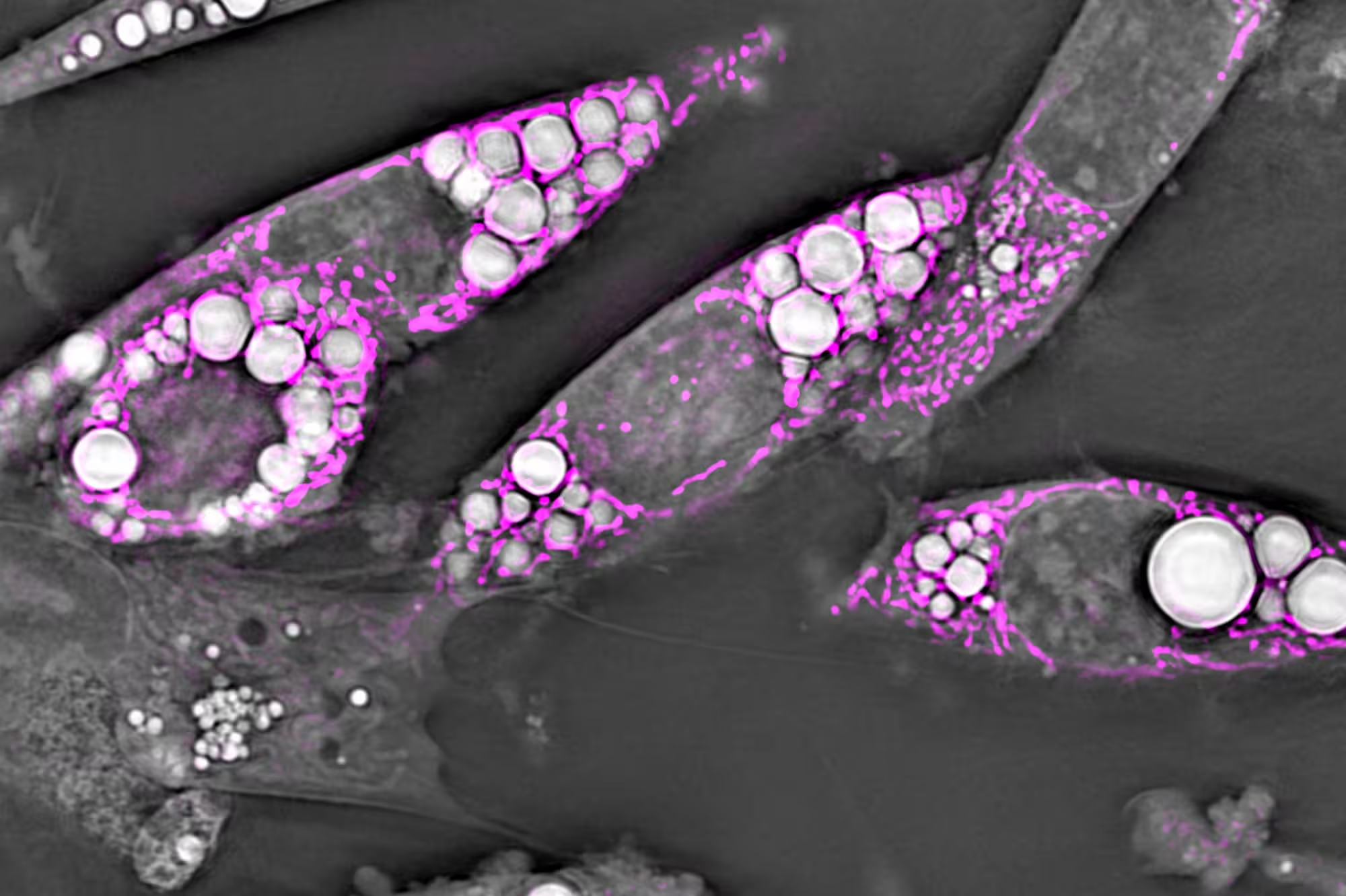
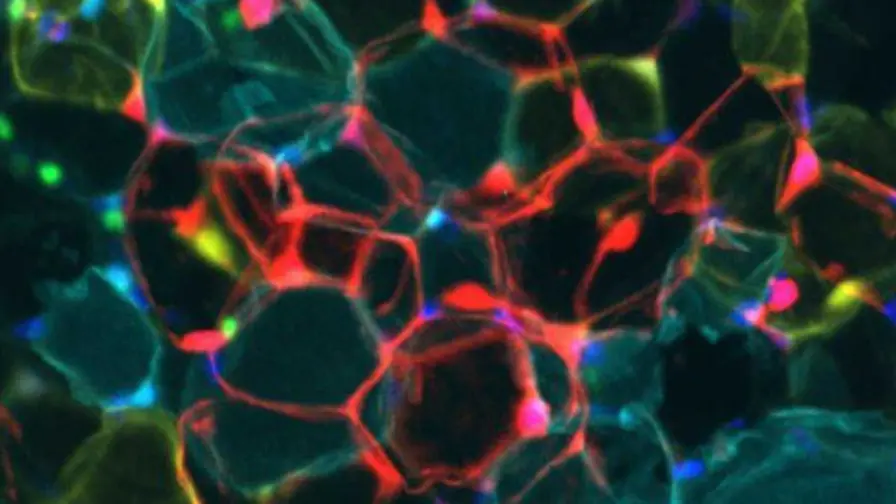
Brown fat cells with mitochondria labeled in magenta.
Why might a heat-generating tissue influence mood? The simplest explanation connects the dots through metabolism and inflammation. Patients with active brown fat tended to have lower blood-sugar readings, including markers of long-term glucose control, and showed patterns suggesting healthier fat distribution and reduced inflammatory signals — all factors that have been tied to mood disorders in other studies.
Pharmacology offered another intriguing clue. People taking selective serotonin reuptake inhibitors (SSRIs), a common class of antidepressants, were less likely to have detectable brown fat on scans — an association consistent with earlier reports that some SSRIs can dampen brown fat activity. On the flip side, the team found that patients taking certain blood-pressure medications were more likely to show brown fat. That prompted lab work: losartan, a widely used antihypertensive, boosted brown fat activity in cultured brown adipocytes and increased energy expenditure in mice.
Exciting, yes. Definitive, no. This was a retrospective study in a cancer center population — more than three-quarters of the matched groups were women, and tumor types and therapies differed between patients. Those factors might influence metabolism and mood in ways statistical adjustments cannot fully remove. The authors are careful: these are associations, not proof that brown fat prevents anxiety or depression.
What comes next is obvious and necessary. If brown fat truly shifts the metabolic and inflammatory landscape in ways that protect mental health, then prospective trials that deliberately activate brown fat (through drugs, cold exposure, or other means) should include psychiatric outcomes alongside metabolic ones. That would tell us whether the tissue is a marker or a mechanism.
Either way, the study nudges a rethink: body fat is not all the same, and the tissues that keep us warm may also be whispering to the brain. Will future treatments tap that warmth to ease the cold gray of depression? Time — and careful trials — will tell.

Leave a Comment
Comments
No comments yet. Be the first.