
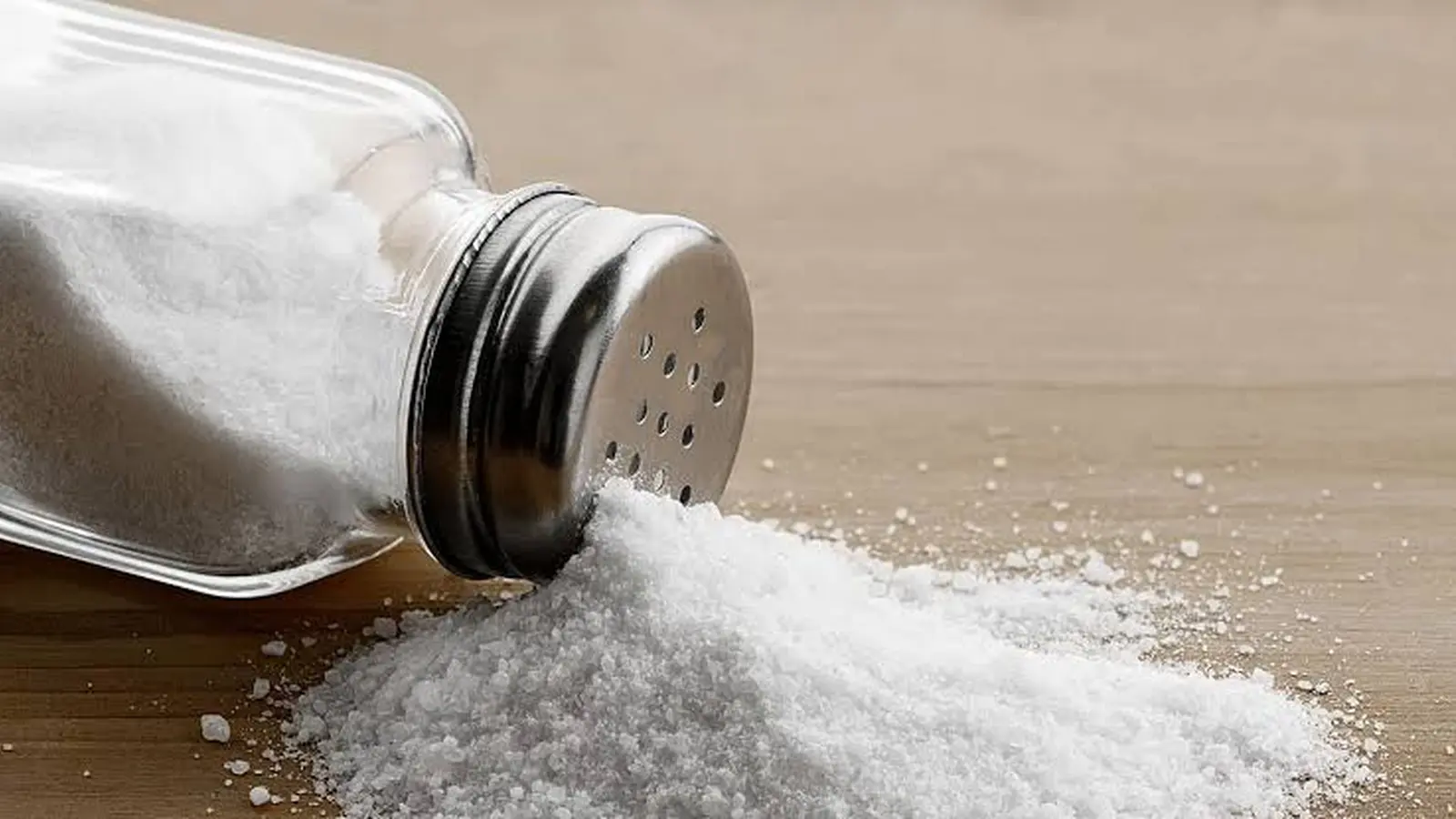
A teaspoon can change the course of public health. It sounds dramatic, but a new global analysis suggests that replacing ordinary table salt with a potassium-enriched alternative could prevent nearly three million deaths every year and avert more than ten million new cases of heart and kidney disease.
Researchers at The George Institute for Global Health modeled the effects of this single dietary swap across 193 countries and roughly 4.6 billion adults. The math is simple and startling: lower sodium intake plus higher potassium intake nudges blood pressure down, and fewer people with high blood pressure means fewer strokes, heart attacks and kidney failures.
A global switch could prevent nearly three million deaths annually.
What is potassium-enriched salt? Think of regular sodium chloride, but with a portion swapped for potassium chloride. It looks and tastes like the salt you use every day, and it behaves the same in cooking. The difference is biochemical: less sodium and more potassium, a combination that helps bring down blood pressure for many people.
High blood pressure affects about 1.4 billion adults aged 30 to 79 worldwide. Cardiovascular disease remains a leading killer—responsible for roughly 19.2 million deaths in 2023—and organizations such as the World Health Organization have identified potassium-enriched salt as a practical tool to reduce that burden.

The team examined multiple rollout scenarios. If only household table salt were replaced, the projection is striking: about 1.85 million fewer deaths and 6.19 million fewer new cases of cardiovascular and chronic kidney disease each year. If processed and restaurant foods were reformulated instead, another scenario suggests roughly 1.56 million deaths and 5.46 million new disease cases could be avoided annually. Targeted interventions—encouraging people diagnosed with hypertension to switch—also show strong returns: if 80 percent of those diagnosed used potassium-enriched table salt at home, the model estimates about 590,000 fewer deaths each year, and roughly 480,000 lives saved among those already receiving treatment.
Not all countries stand to gain equally. Because salt consumption patterns differ, the benefits cluster where intake is highest or where sources of sodium are most replaceable. Under full replacement assumptions, China could prevent about 1.08 million deaths and 3.61 million new cardiovascular and kidney disease cases annually. India might avert nearly 400,000 deaths and 1.53 million new cases, while the United States could see around 105,000 fewer deaths and 492,000 fewer new disease cases each year. The takeaway: context matters. In regions where home cooking supplies most sodium, consumer-facing campaigns could work. Where processed foods dominate—Europe and North America, for instance—industry cooperation will be essential.
There are caveats. Extra potassium is not universally safe. People with advanced kidney disease or those taking medicines that raise blood potassium can develop hyperkalemia, a potentially dangerous rise in blood potassium that affects the heart’s rhythm. The study’s population-level models suggest that, on balance, benefits outweigh risks even for groups with kidney disease. But that statistical conclusion doesn’t eliminate individual danger.
Clinical oversight, clear labeling and patient education would be vital parts of any rollout. As senior researchers at The George Institute note, the strategy is attractive because it is low-cost and population-wide—offering health gains that many drug-based interventions struggle to match in scale and expense—but it also requires careful implementation to protect vulnerable patients.
There are practical hurdles too. Scaling up production of potassium chloride, persuading food manufacturers to reformulate recipes, and designing culturally appropriate public messages all take time and coordination. Yet the study reframes the problem: sometimes the most powerful public-health tools live in plain sight, tucked into everyday habits.
If the simple act of changing the salt on our tables can prevent millions of deaths, maybe the next big leap in population health is already in our kitchens—waiting for a nudge.


Leave a Comment
Comments
No comments yet. Be the first.