
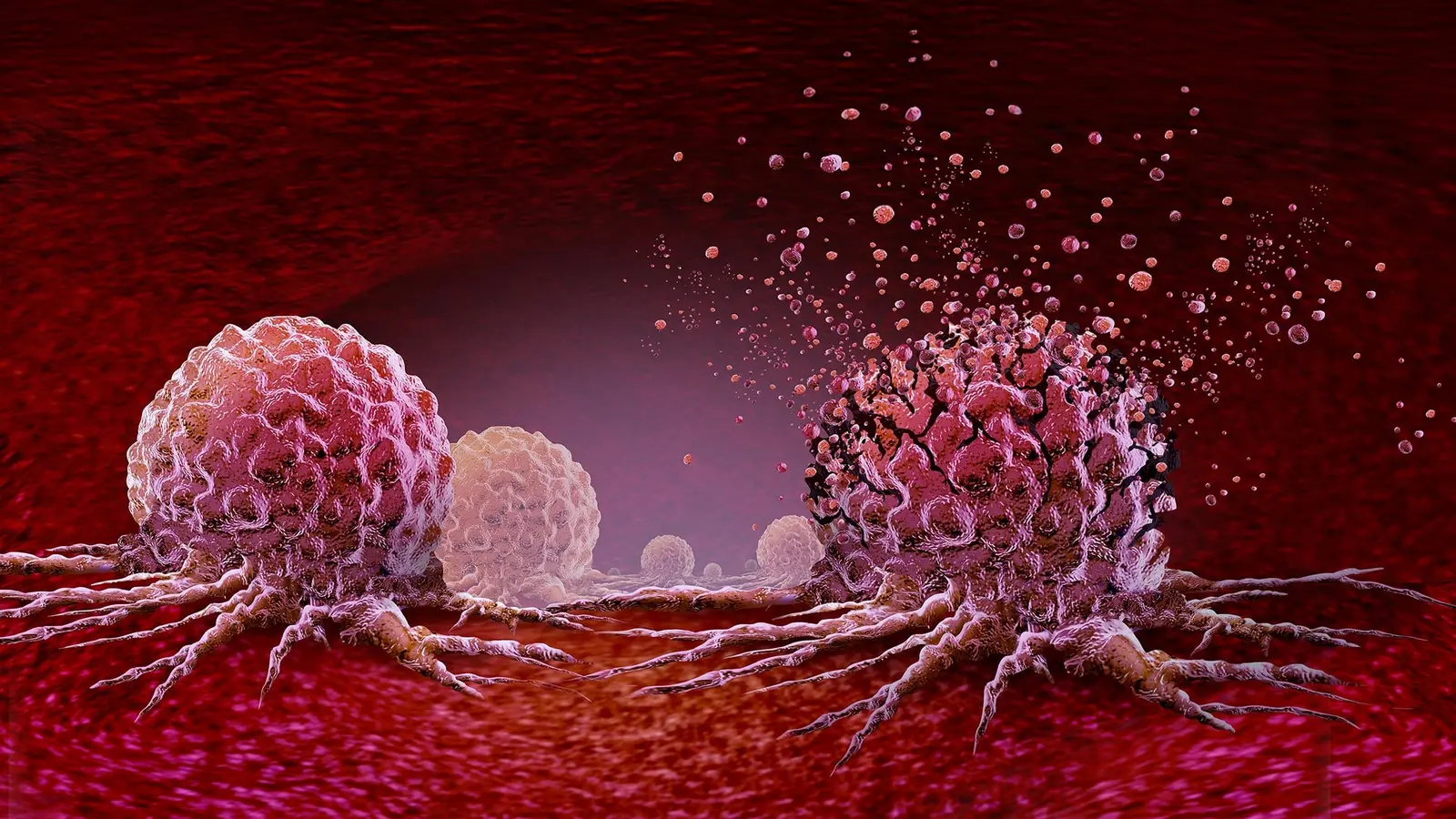
They don’t die. They linger. After chemotherapy, some cancer cells stop dividing yet remain metabolically active, morphing into hulking, wound-like cells that can coax the body into rebuilding the very tumor the treatment tried to destroy.
What looks like defeat, though, contains a weakness. Researchers at Trinity College Dublin have tracked how injured cancer cells flip a molecular switch that both protects them and, paradoxically, keeps them dependent on a single survival strategy. The culprits are proteins called Inhibitor of Apoptosis Proteins (IAPs). By neutralizing IAPs, scientists can flip that switch back and force the damaged cells into a true death, rather than a zombie-like stasis.
When chemotherapy damages DNA, some tumor cells activate Death Receptors — built-in triggers for apoptosis, the cell’s self-destruct program. But instead of following through, many cells arm themselves with IAPs. The result is premature senescence: cells swell to many times their normal size, crank up genes normally involved in wound healing, and pour out inflammatory signals that recruit immune cells. It’s as if the tumor fakes an injury and rides the immune system’s repair crew to recover.
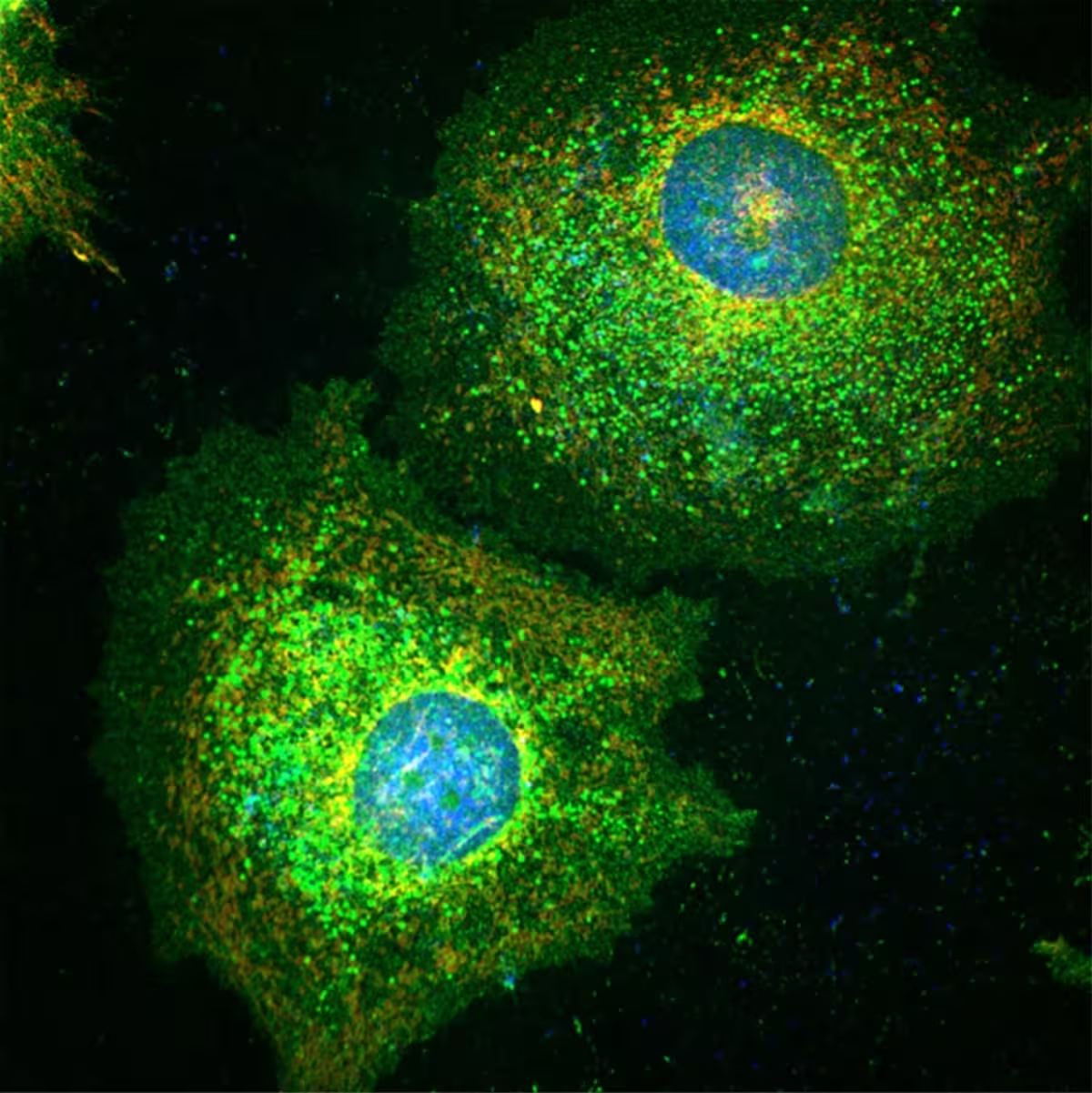
Senescent cancer cells stained for a ‘Death Receptor’ protein that is highly upregulated in response to chemotherapeutic treatment.
That wounded-tissue masquerade explains a cruel paradox. The immune system can both fight tumors and, unwittingly, help them rebound by promoting cell division and new blood vessels in the wrong place. Cancers have long been compared to wounds that never heal, but until now the molecular relay that flips the immune system from foe to helper has been murky.
Trinity’s team, led by Professor Seamus Martin and Dr. Gokhan Gunay, mapped a clear pathway: chemotherapy-induced DNA damage turns on Death Receptors, IAPs block those receptors’ killing signal, and cells slip into a senescent, pro-repair state. Crucially, the senescent survivors still rely on IAPs. Remove the shield, and the cells become vulnerable again.
Enter IAP antagonists. These compounds dismantle the protective IAP layer and reawaken the Death Receptor pathway, selectively killing the senescent cancer cells that escaped the initial chemotherapy strike. The same molecules that saved the cells also keep them tethered to survival—an Achilles’ heel the researchers were able to exploit.
This discovery carries dual promise. In the short term, pairing standard chemotherapies with IAP antagonists could reduce the pool of lingering, pro-repair cancer cells that seed relapse. In the long term, it sheds light on why tumors recover after treatment and points to a targeted way to stop that recovery.
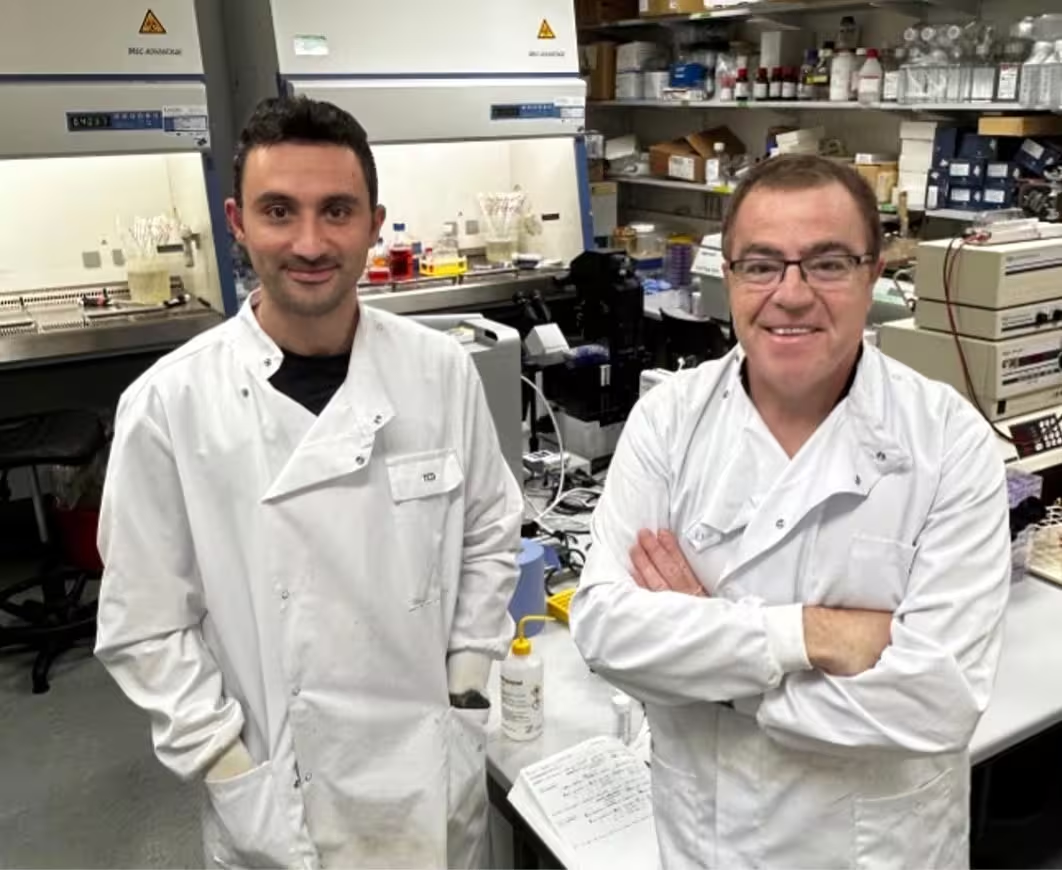
Dr Gokhan Gunayh and Professor Seamus Martin in the lab in Trinity College Dublin.
There’s another layer to this story beyond oncology. Senescent cells accumulate with age, fueling chronic inflammation and gradual tissue decline. Learning how to clear therapy-induced senescent cells may inform broader strategies for removing harmful senescent cells in aging tissues as well.
Professor Martin puts it plainly: these findings show how tumors dodge chemotherapy by co-opting wound-healing signals, and how turning down IAP defenses after drug treatment may prevent tumor cells from slipping into senescence and surviving. The idea is simple. The execution matters.
Scientists still need to test safety, dosing, and timing in clinical settings, but the concept reframes a familiar problem: resistance is not just about mutations and escape; sometimes it’s about a temporary truce with life. Break the truce, and the advantage shifts back to the patient.


Leave a Comment
Comments
No comments yet. Be the first.