
3 Minutes
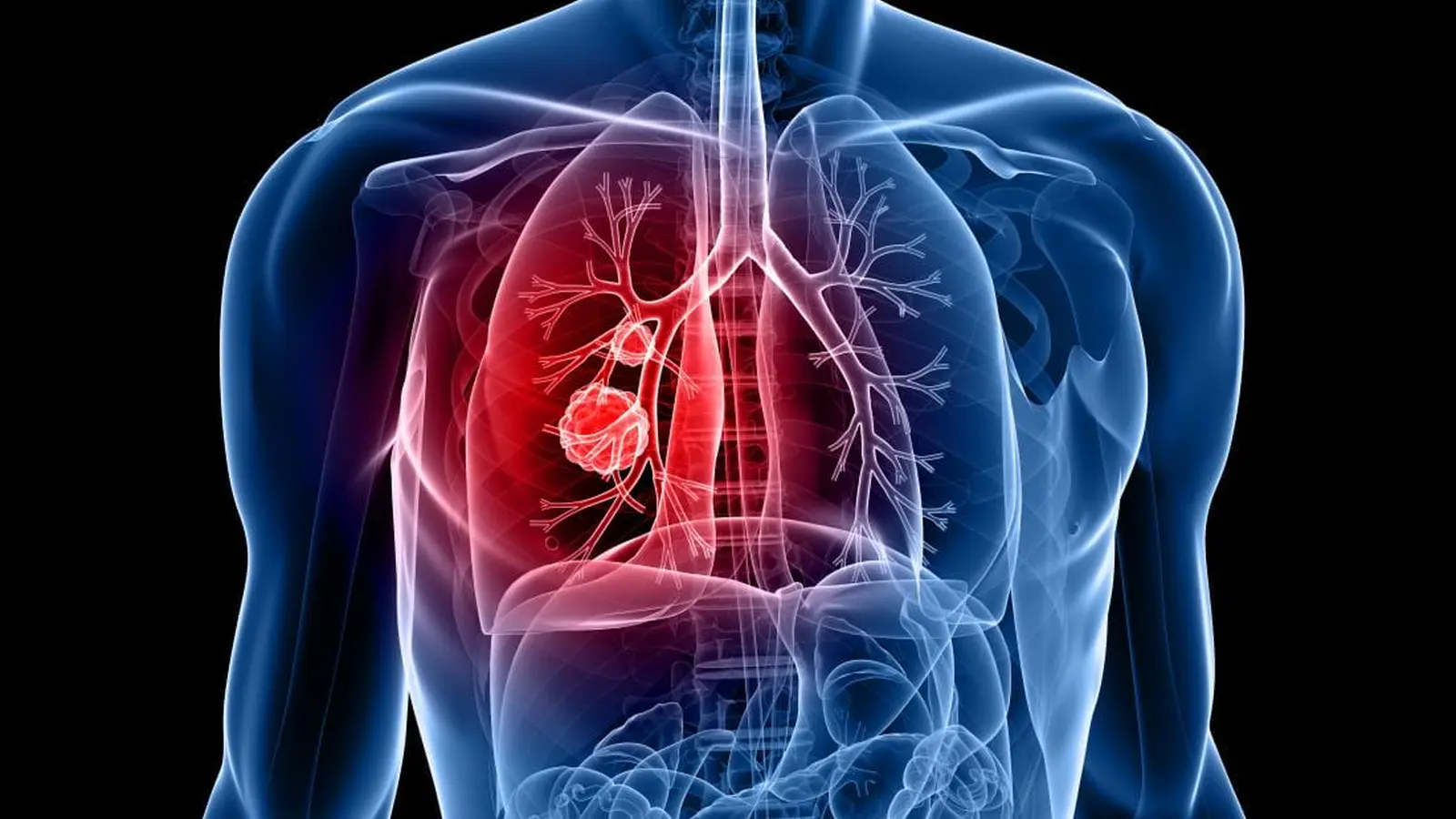
Small cell lung cancer (SCLC) is notorious for its speed and severity: many patients respond to initial chemotherapy only to face a rapid relapse months later. New research from a team led by Professor Dr Silvia von Karstedt in Cologne reveals an unexpected inflammatory cascade that may help explain SCLC’s aggressive comeback—and points to fresh directions for diagnosis and therapy.
Why this discovery matters
SCLC accounts for a disproportionate share of lung cancer deaths despite representing a smaller fraction of overall cases. The five-year survival rate hovers near 5% because the disease often returns after first-line treatments. Understanding the biological triggers that prime tumors to recur is essential to developing treatments that last.
From missing caspase-8 to a tumor-friendly blaze
At the heart of the new work is caspase-8, a protein that normally helps cells die quietly through apoptosis—a controlled process that avoids provoking inflammation. SCLC, however, frequently lacks caspase-8, and the researchers modeled that deficiency in genetically engineered mice designed to better mimic human disease.
Necroptosis: inflammatory cell death with consequences
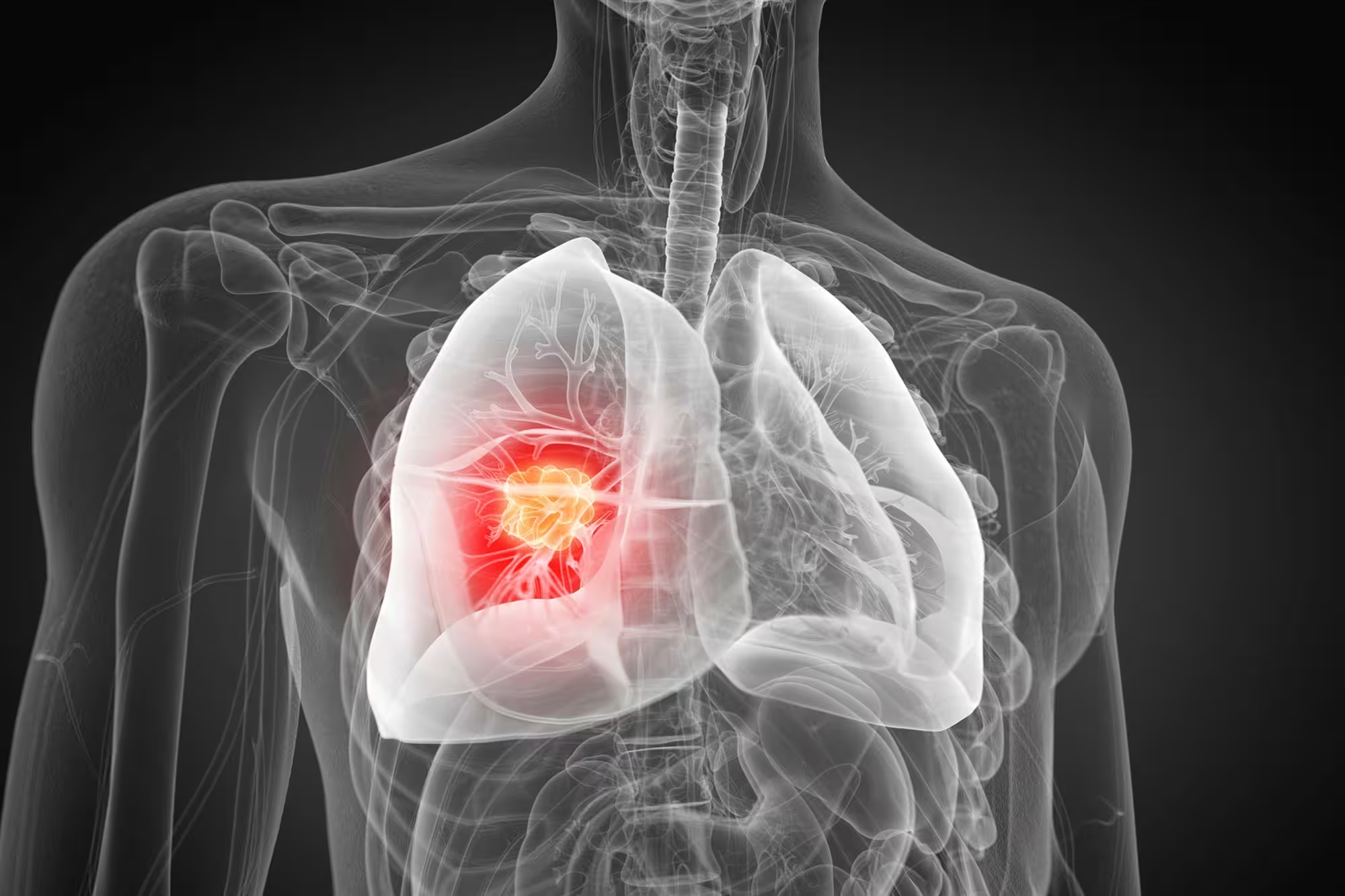
Without caspase-8, cells are more likely to die by necroptosis, a form of programmed but inflammatory cell death. “The absence of caspase-8 leads to a type of inflammatory cell death called necroptosis that creates a hostile, inflamed environment even before tumors fully form,” Professor von Karstedt explains. That early inflammation—occurring in tissue before overt tumors appear—reshapes the local immune landscape.
How pre-tumoral inflammation helps cancer win
Rather than recruiting effective anti-cancer immune responses, necroptosis-generated inflammation appears to suppress the immune system’s surveillance. Immune cells that should detect and eradicate nascent malignant cells are disabled or redirected, creating a permissive microenvironment for malignant clones to expand. The team observed that this inflammatory state also nudges cancer cells toward immature, neuron-like behaviors, a plasticity linked to higher metastatic potential and resistance to therapy.
Key findings and implications for treatment
- Loss of caspase-8 triggers necroptosis and a pro-tumor inflammatory milieu.
- Pre-tumoral inflammation can suppress anti-tumor immunity, enabling metastasis.
- Inflammation drives neuronal-like features in SCLC cells, associated with relapse and spread.
Published in Nature Communications, the study suggests that interrupting necroptosis-driven inflammation or restoring apoptotic pathways could be viable strategies to reduce relapse risk. The findings also raise the possibility of early biomarkers: detecting signs of pro-inflammatory cell death or immune suppression in at-risk tissue might identify patients who would benefit from targeted interventions before tumors fully emerge.
What remains unknown—and next steps
One important caveat: it’s not yet proven whether the same pre-tumoral inflammatory process reliably occurs in human patients. The mouse model is designed to better simulate human SCLC, but clinical validation is required. Future work will need to test patient samples, explore drugs that block necroptosis or re-enable caspase-8 pathways, and assess whether combining such approaches with immunotherapy can prevent relapse.
These insights deepen our understanding of how cell-death pathways and inflammation intersect to shape tumor evolution. For a cancer that so often returns with a vengeance, decoding these early biological events opens realistic new angles for prevention, diagnostics, and longer-lasting therapy.

Leave a Comment
Comments
No comments yet. Be the first.