
3 Minutes
Imagine treating a house fire by patching the chimney while the blaze smolders in the basement. That mismatch captures a growing realization among stroke researchers: we may have been aiming at the wrong target for decades.
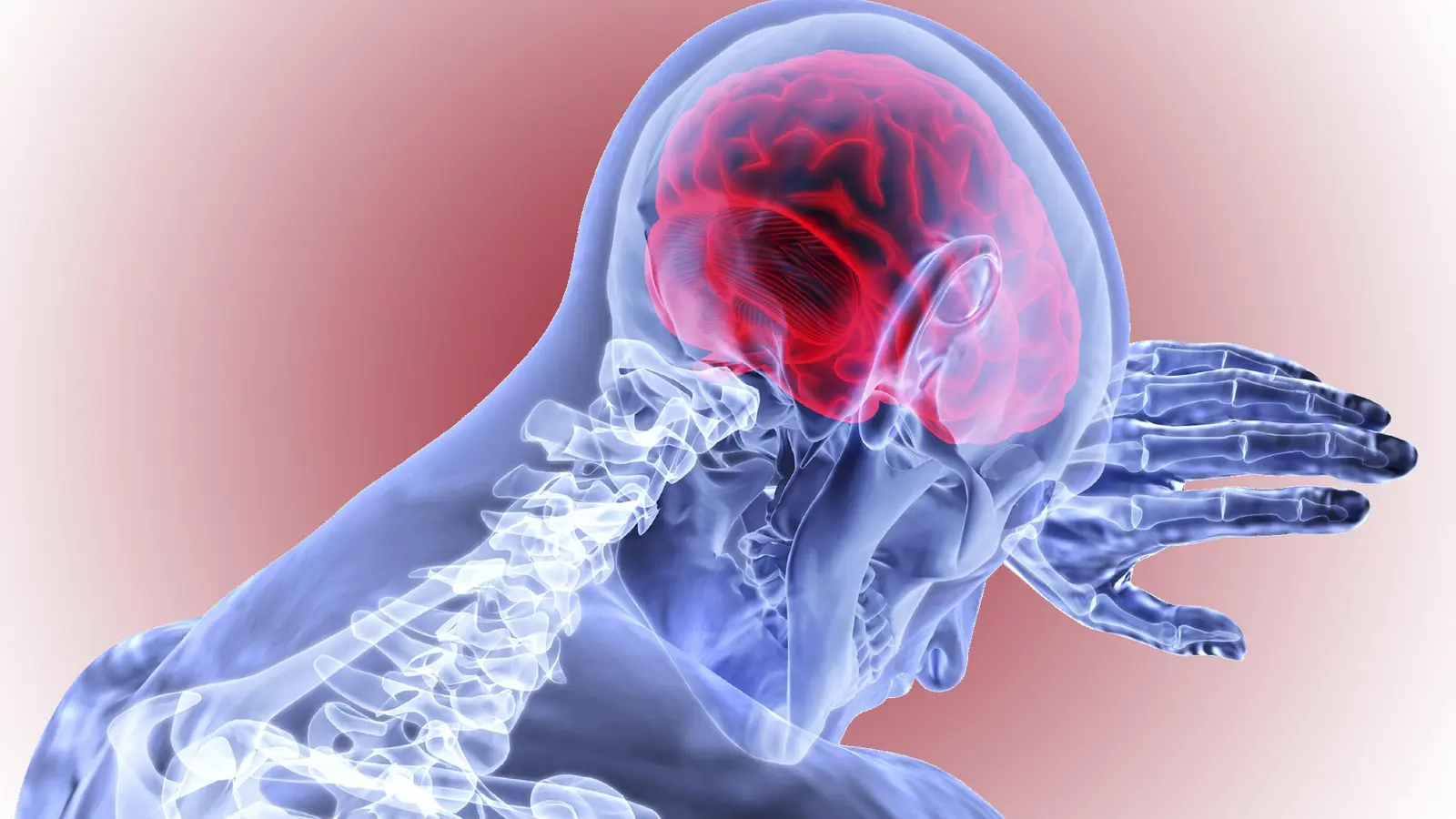
New research tracked people after minor strokes and found a surprising pattern. Instead of the usual suspect — fatty plaque clogging large arteries — the strongest predictor of a common subtype called lacunar stroke was damage to the brain’s tiny vessels: arteries that had become dilated, tortuous, and abnormal deep inside the white matter. Short sentence. Big implications.
Researchers from the University of Edinburgh and international collaborators scanned 229 patients soon after their stroke and again a year later. MRIs revealed which strokes were lacunar and how small-vessel disease progressed. The team compared two vascular changes: narrowing of large arteries (the familiar atherosclerosis story) versus widening and elongation of small intraparenchymal arteries. The result surprised many clinicians: large-artery narrowing did not predict lacunar events or the later development of new brain lesions. Widened small arteries did.

How strong was the link? Patients with enlarged deep-brain arteries were more than four times as likely to have had a lacunar stroke. They were also likelier to show faster small-vessel disease progression and to develop new "silent" infarcts — tiny areas of brain damage that often go unnoticed but chip away at cognition and mobility over time. More than a quarter of participants accumulated these covert lesions within a year, despite being on standard anti-stroke medications.
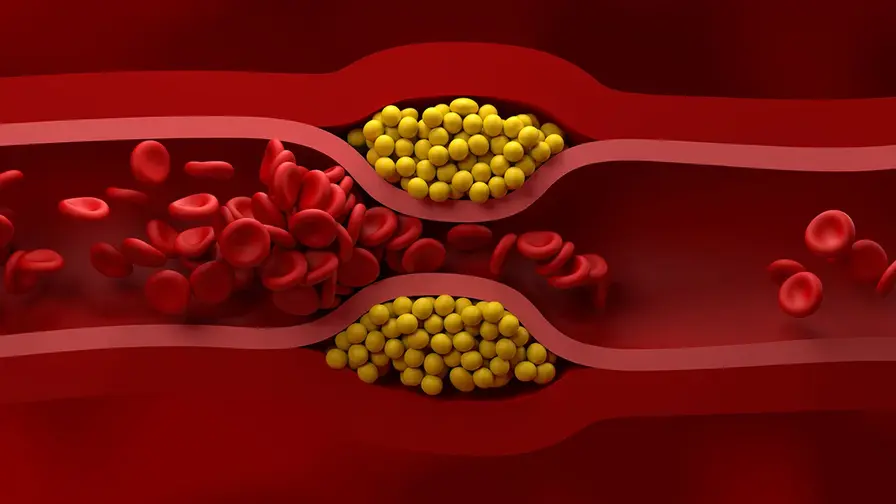
So why does this matter for treatment? Because drugs like aspirin and other antiplatelets are designed to prevent clots linked to plaque rupture in larger arteries. If the core problem lives in the microvasculature — structural weakening, inflammation, or dysregulation of the tiny vessels — then antiplatelet therapy is addressing the wrong pathology. Imagine giving raincoats to people trapped in a leaky boat. The gesture helps, but it won’t fix the hull.
That insight is already reshaping clinical trials. LACunar Intervention Trial 3 (LACI-3) is testing whether medications that target vessel health — for example, cilostazol and isosorbide mononitrate — can slow small-vessel damage, reduce the risk of further lacunar strokes, and protect thinking and movement long-term. These drugs act on vascular tone, endothelial function, and other mechanisms more relevant to tiny arteries than classic antiplatelets.
"This study provides strong evidence that lacunar stroke is driven by disease of the small vessels within the brain, not by fatty blockage of larger arteries," says Professor Joanna Wardlaw, who led the imaging work. Her point is blunt and practical: recognizing the true culprit changes which drugs we test, and how we measure success.
There are broader consequences beyond choosing medicines. If microvascular damage underlies a large share of lacunar strokes, then prevention must expand to protect vessel integrity: better blood pressure control, treatments that reduce vessel wall inflammation, and therapies that preserve microvascular reactivity. Imaging biomarkers that detect vessel widening or early microvascular injury could guide personalized care and identify patients who need different strategies than those with classic atherosclerotic disease.
The full study appears in Circulation. Funders included the UK Dementia Research Institute, major stroke and heart charities, and international agencies. Researchers from China and Mexico also contributed — a reminder that this problem crosses health systems and populations.
One question lingers: how many patients labeled as "well managed" under current guidelines are quietly accumulating damage because our diagnostics and drugs miss the microvascular story? The next wave of trials should tell us, and they may finally give clinicians tools that match the disease they are actually treating.









Leave a Comment
Comments
No comments yet. Be the first.