
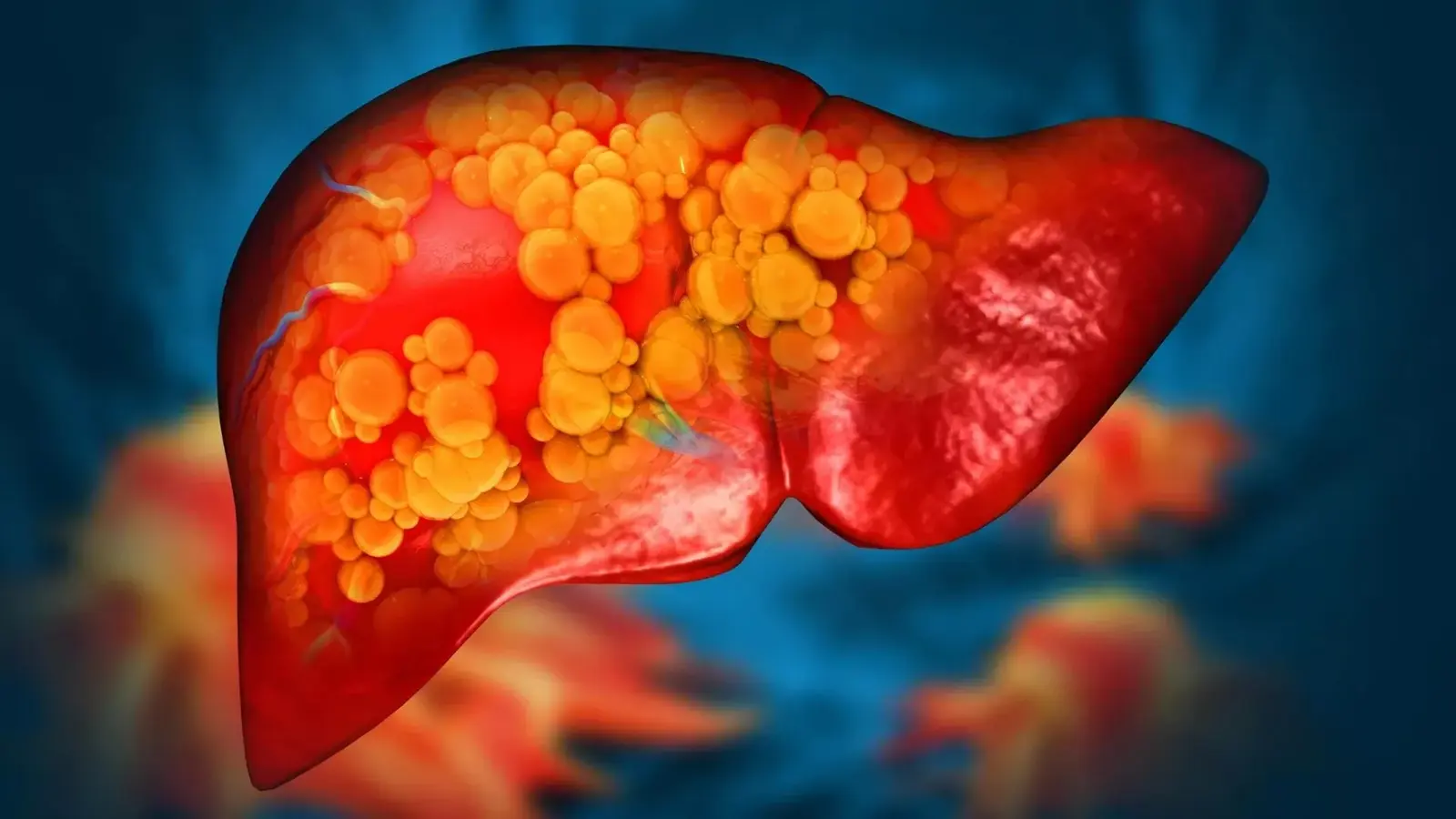
Imagine the smallest specks of plastic slipping into your daily glass of water and quietly nudging your liver out of balance. Sounds like a plot device, but a new animal study suggests polyethylene — the workhorse plastic used in food packaging, freezer bags and disposable cups — may do just that.
Researchers at Texas A&M fed 20 male mice different diets and then spiked the drinking water of half of them with microscopic polyethylene particles. The dose was 2 mg per day, with particle sizes ranging from about 10 to 150 nanometers. Eight weeks later the results were clear: even animals on a normal lab diet showed early signs of fatty liver when exposed to these microplastics. The effect was amplified in animals eating a Western-style, high‑sugar, high‑cholesterol diet.
Why should we care? Fatty liver disease often progresses quietly. Many people don't discover they have excess fat accumulating in the liver until an imaging scan done for another reason. When symptoms do appear, they are nonspecific — fatigue, low-level malaise, sometimes discomfort under the right rib cage. Physicians already recognize obesity, high blood lipids, type 2 diabetes and hypertension as major risk factors. This study introduces a stealthy environmental contributor into that list.

Blood and tissue analyses pointed to genuine biological stress. Levels of alanine aminotransferase (ALT), a classic marker of liver injury, rose significantly in mice that drank water contaminated with polyethylene particles. Liver triglyceride content climbed as well. On a molecular level the team recorded abnormal activation of two key genes: PPAR-alpha, which helps regulate fat metabolism in the liver, and Annexin A2, implicated in tissue repair. Those changes suggest microplastics may interfere with both metabolic control and the liver's ability to recover from damage.
Polyethylene had long been regarded as relatively benign compared with some other polymers. But the study reframes that assumption: tiny, persistent particles can behave differently than a bulk plastic bag. Nanometer-sized fragments can cross biological barriers, interact with cells and tweak gene expression. When this exposure combines with an unhealthy diet, the consequences multiply like interest on an overdue bill.
There are limitations. Animal models do not map perfectly onto humans, and the exact exposure levels people experience vary widely by diet, lifestyle and geography. Still, the findings were published in Science Advances and add to a growing body of work linking microplastics to metabolic disturbances. They raise a practical question: how much polyethylene are we ingesting or inhaling every day, and does it matter over a lifetime?
This research is a nudge to regulators, manufacturers and consumers alike. Better tracking of human exposure, tighter limits on microplastic release and smarter packaging choices could become part of the solution. After all, if invisible dust can tilt the balance toward disease, the simplest interventions may pay the largest dividends.
Small particles. Big consequences.


Leave a Comment
Comments
No comments yet. Be the first.