
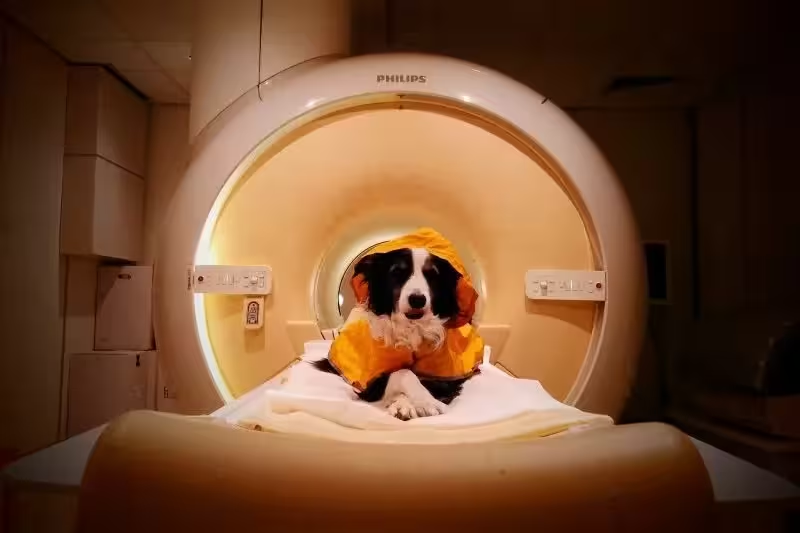
They leaned into the MRI of their own accord. No muzzle. No straps. Just willing household dogs, a scanner humming, and pictures of people staring back at them. The image is almost cinematic, but it’s real: researchers from the University of Vienna, working with Mexican and Hungarian collaborators, scanned awake dogs to see what their brains do when they look at human faces.
Why study this? Because dogs live in our emotional orbit. They respond to our smiles and shrugs, but are they truly reading the feelings behind our expressions—or merely reacting to motion and tone? The team designed two linked experiments to dig deeper.
In the first experiment, eight companion dogs were shown faces that were either smiling or neutral. The second widened the lens: twelve dogs viewed faces expressing happiness, sadness, anger and fear. All scans were collected while the animals voluntarily positioned themselves inside a functional MRI scanner, awake and calm, so the neural signals reflected natural viewing rather than stress or restraint.
The clearest finding arrived fast. Smiles lit up a specific region in the canine brain tied to reward and the anticipation of positive events. This area is the same one that becomes active when dogs expect a treat, praise, or other pleasant outcomes. Put bluntly: seeing a human smile appears to be rewarding for a dog. Security and treat-like promise rolled into one simple expression.
The surprises came with negative expressions. Scientists had long suspected that dogs lump all unpleasant human faces into a single category. But the scans told a different story. Patterns of neural activity for fearful faces diverged from those for angry or sad faces. Fear produced a distinctive signature, separable from the other negative emotions. By contrast, anger and sadness did not show clear structural differences in brain activation—at least not in the regions the study measured.
Dogs' brains distinguish fear from other negative expressions, while happy faces uniquely engage reward-related circuitry.
That finding is subtle but important. Detecting a difference in neural patterns means dogs can discriminate these facial expressions; it does not, however, prove dogs experience human emotions the way we do. The researchers caution against anthropomorphism. Neural discrimination is a necessary first step, not a full account of subjective feeling.
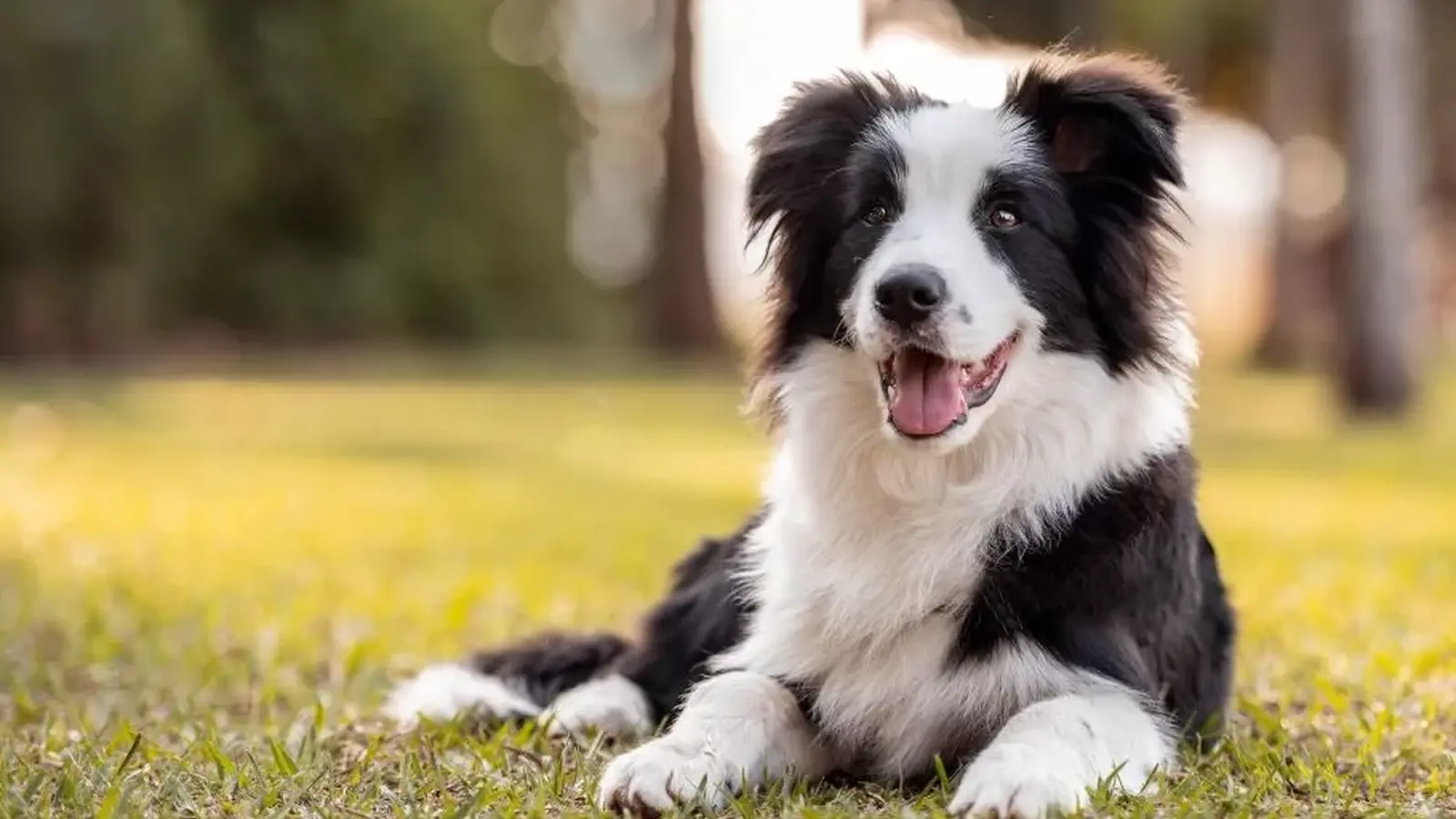
Context matters too. Most participants in the study were Border Collies—dogs bred for intense human-directed attention over generations. And all were family pets raised in affectionate homes. Different breeds, working dogs trained for other tasks, or street dogs with less human socialization might show different brain responses. In other words, these results speak loudly about some pet dogs, but they don’t capture every canine mind.
The work appears in iScience and was highlighted in outlets such as The Washington Post. It builds on a growing toolkit that lets scientists scan awake, cooperative dogs—an advance that opens the door to more nuanced questions about cross-species social cognition. Canines have lived alongside humans for tens of thousands of years. Their brains are tuned, in some ways, to our signals. But how deep that tuning goes remains an open and fascinating question: next time you grin at your dog, are you sharing a moment of mutual recognition, or simply triggering a well-worn reward circuit?


Leave a Comment
Comments
No comments yet. Be the first.