
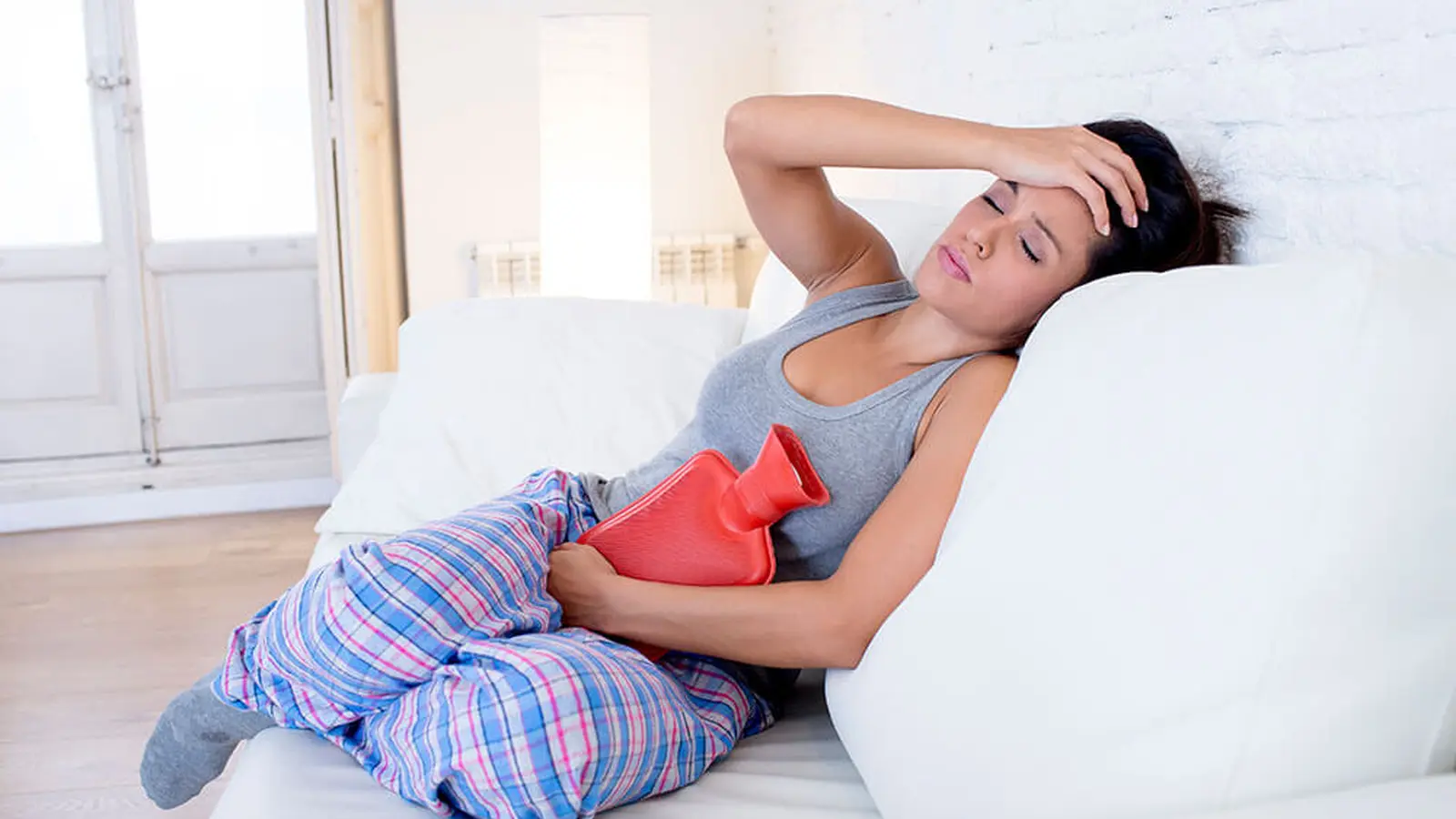
You reach for chocolate. Again. Cravings are familiar—and so is the question: are snacks making your PMS worse?
To get closer to an answer, researchers in Türkiye asked 607 women, ages 18–30, to look back at the week before their period and rate a range of symptoms: pain, sleep changes, appetite shifts and more. The same online survey asked how often participants ate ultra-processed foods—think sugary sodas, ready-made snacks and other packaged treats—how closely they followed a Mediterranean-style diet, and how they responded when hunger or cravings struck.
The headline: higher reported intake of ultra-processed foods was linked with more severe PMS symptoms. That relationship persisted after the team accounted for age, cycle regularity and overall diet. The effect size was modest: every extra point on an ultra-processed food questionnaire scored 0–11 corresponded to roughly a one-point rise on a symptom scale spanning 44 to 220.
Interestingly, closer adherence to a Mediterranean diet—vegetables, fruit, legumes, fish and olive oil—didn't show a clear association with symptom severity in this dataset.
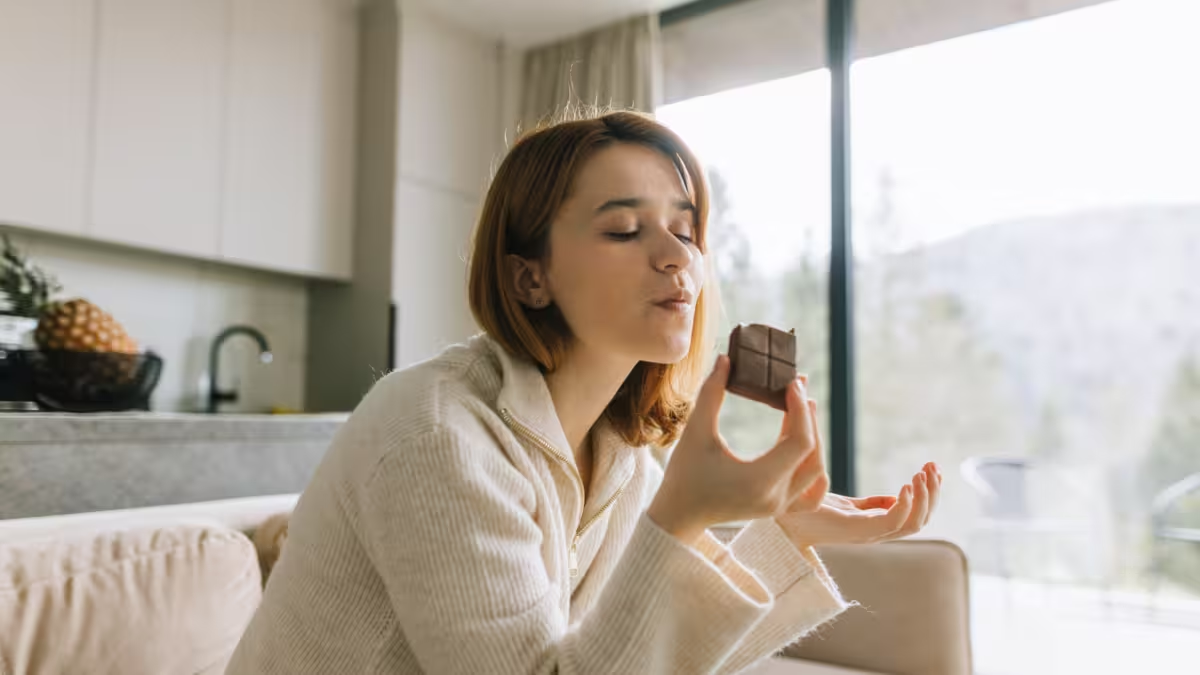
Behavioral habits mattered too. Two patterns correlated with milder symptoms: pausing when a craving hits to ask whether you are truly hungry, and accepting your eating choices without self-criticism. Ziya Erokay Metin, the study's lead nutrition researcher at the University of Health Sciences in Ankara, used chocolate to illustrate the point: pause first; if you give in, don't punish yourself. Short pause. No guilt. That small shift was associated with better-reported outcomes.
The team had earlier found similar appetite signals in a smaller study of 150 women, showing that people who experience PMS are often more drawn to food for pleasure across the cycle—even when not hungry. In the current work, changes in appetite were part of the symptom score, which likely links eating patterns and how women recall their premenstrual state.
Several important caveats apply. This was a cross-sectional, self-report survey: it cannot establish cause and effect. Do ultra-processed snacks worsen PMS, or do worse symptoms push people toward comfort foods? Memory bias is possible, and about four in five participants had university-level education, a skew that limits generalizability. Recruitment came through university networks, social media and participant referrals, not a population-wide sample.
Metin says the logical next steps are clear: follow women across multiple cycles with daily food and symptom diaries to see which changes come first, then test dietary interventions in randomized trials. The research has been published in Scientific Reports.
Can swapping snacks help your premenstrual misery? The evidence is not definitive yet. But paying attention—not just to what you eat but how you respond to cravings—could be a small, practical place to start.


Leave a Comment
Comments
No comments yet. Be the first.