
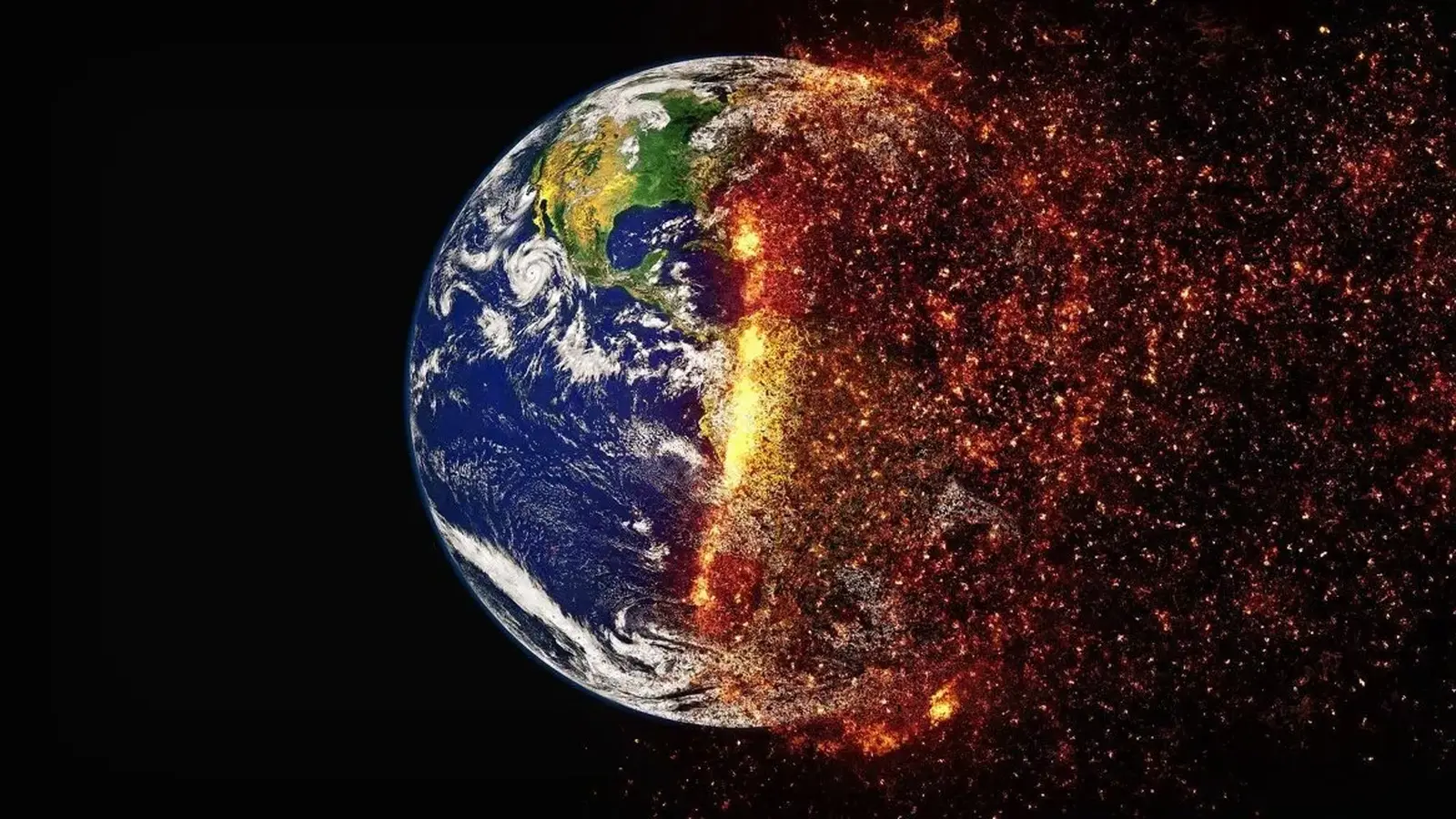
The boundary once assumed to be decades away now feels uncomfortably close. Speeches at the United Nations climate summit praised new green technologies, while two sober reports published the same week delivered a blunt reality check: the world remains far from keeping warming in check.
Analysts at Climate Action Tracker estimate that current national policies still put the planet on a trajectory toward roughly 2.8°C of warming by 2100. That is not an abstract statistic. It implies large-scale coral reef collapse, severe disruptions to farming and forests, and the accelerated retreat of the planet’s great ice sheets—changes that will reshape coastlines, economies, and ecosystems.
At the same time, Copernicus, the EU climate monitoring service, has flagged a faster-than-expected rise in global temperatures since the Paris Agreement was struck in 2015. Where models once suggested the long-term 1.5°C limit would be exceeded around 2045, Copernicus now finds that warming could breach that threshold as early as 2029. A decade shifted into years.
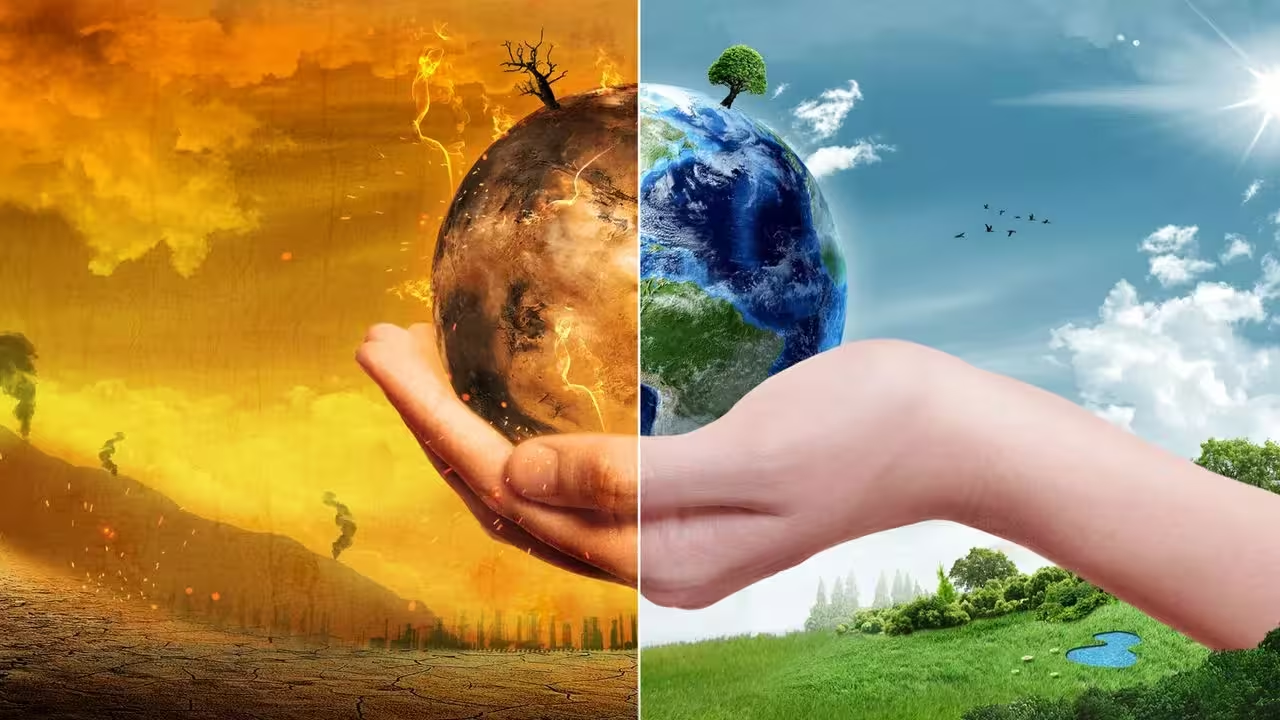
The striking takeaway is this: continued increases in greenhouse gas concentrations from human activity remain the dominant driver of the recent acceleration.
Why does the calendar matter? Crossing 1.5°C is a symbolic and practical marker—the line between more manageable risks and a set of impacts that are dramatically harder to adapt to. Even small fractions of a degree can change how often extreme heat, droughts, and heavy rainfall occur. Ecosystems respond nonlinearly. When the averages move, tipping points lurk.
So what now? Technology and policy both matter. Cleaner energy, faster emissions cuts, and scalable carbon removal are part of the answer. But the reports' urgency is a reminder that innovations alone won’t save time lost. Faster action, stronger commitments, and implementation at scale are required if we want to slow the pace at which new climate realities arrive.
Ask yourself: can policy catch up with physics? The coming years will show whether global politics and industry can bend the curve of emissions before the next threshold is crossed.

Leave a Comment
Comments
No comments yet. Be the first.