
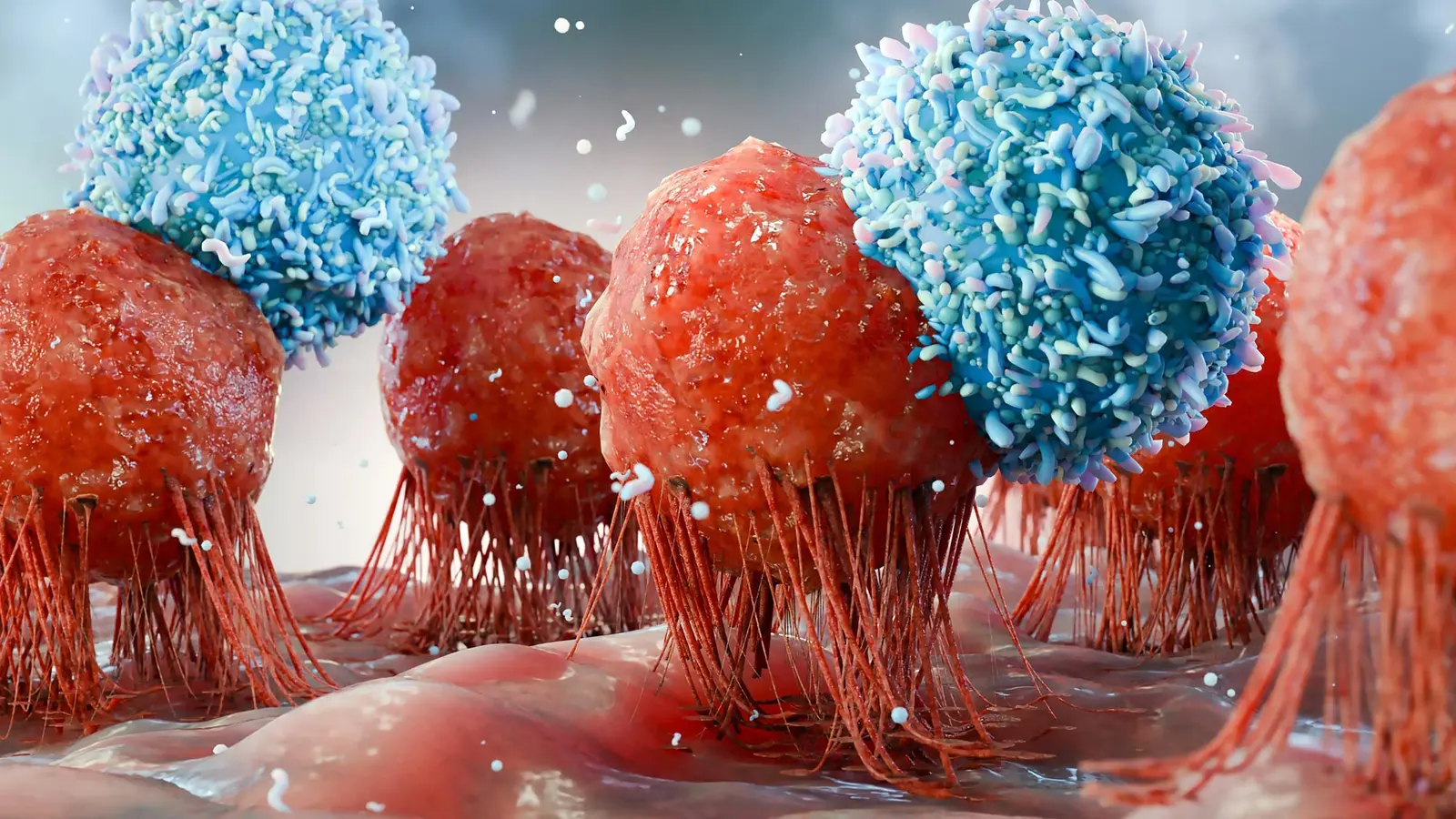
Imagine a therapy that rallies a patient's own immune system to hunt down cancer — and then, unpredictably, that same immune force begins attacking the patient's healthy organs. It's a high-stakes trade-off that has forced some people off life-saving checkpoint inhibitors and into hospital wards.
Researchers at the University of Pittsburgh have been chasing the why behind these dangerous immune flare-ups. Abigail Overacre-Delgoffe and her team report in Cell that instability within a specific set of immune cells — regulatory T cells — may be the spark that turns helpful immunity into damaging inflammation. The work maps a chain of events linking diet, the gut microbiome, and cell-level fragility to severe, treatment-related side effects in mice, and it points to interventions that could blunt those risks.
Why do some patients sail through immunotherapy while others develop severe reactions? The answer, it seems, isn't just the drug. In experiments designed to reflect real-world variability, the lab fed mice a Western-style diet — low in fiber, high in fat and processed carbohydrates — starting two weeks before they received checkpoint inhibitors. The result: the animals developed immune disturbances and intestinal changes that mirror what doctors see in affected patients.
That dietary nudge alone didn't tell the whole story. The team transplanted fecal microbes from diet-exposed mice into animals on a high-fiber regimen. Transfers could transfer susceptibility — or the opposite, dampen it — depending on the donor, revealing that gut microbes are active players in the cascade. The researchers even transferred microbes from human donors on a Western-style diet into germ-free mice and saw the same increase in treatment-related inflammation.
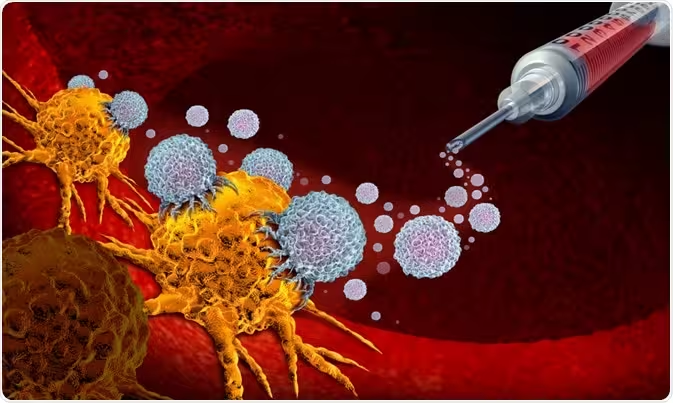
Digging into the immune system, the study singled out regulatory T cells, the immune system's peacekeepers. Under stress — in this case a combination of diet, microbial signals and checkpoint blockade — these cells became "fragile." They lost their suppressive function and, rather than calming inflammation, failed to restrain runaway immune responses. The same signs of fragility showed up in regulatory T cells taken from patients who had experienced severe immune-related adverse events, but not in those without such complications.

Here's where the story turns hopeful. The researchers found that blocking a signaling protein on regulatory T cells stabilized them and reversed inflammation in mice without undoing the anti-cancer effects of immunotherapy. Switching mice to a high-fiber diet or giving metabolite supplements that mimic beneficial microbial products also restored regulatory T cell stability and reduced the severity of side effects.
Those interventions hint at two practical avenues: direct pharmacologic stabilization of regulatory T cells, and less invasive metabolic or dietary strategies that reshape the microbiome's signals. Both approaches could let more patients remain on checkpoint inhibitors while avoiding hospitalization for immune complications.
The model the team developed matters beyond any single experiment. Previous mouse systems often relied on genetic knockouts or contrived conditions that missed the patient-to-patient variability clinicians see. By combining diet, microbiome transfers and patient samples, this work produces a more realistic preclinical platform for testing why some people flare and others do not — and for searching biomarkers that predict risk.
There are caveats. These are still preclinical findings. Metabolite supplements and gut-microbe manipulations showed promise in mice, but human biology and the complexity of cancer care demand careful clinical testing. Yet the message is clear: immune-related adverse events may be avoidable rather than inevitable.
Stabilizing regulatory T cells — whether by targeted drugs, diet, or metabolite support — offers a plausible route to prevent dangerous side effects without undermining cancer control.
The next steps will be to translate these leads into precise tissue-targeted therapies and clinical trials that test safety and efficacy in patients. For people weighed down by the choice between a chance at long-term remission and the risk of debilitating inflammation, that work can't come soon enough.

Leave a Comment
Comments (1)
Wow, Treg fragility tying diet, gut and checkpoint side effects? That's wild. If drugs can stabilize them, huge deal. Hope trials move fast, fingers crossed