
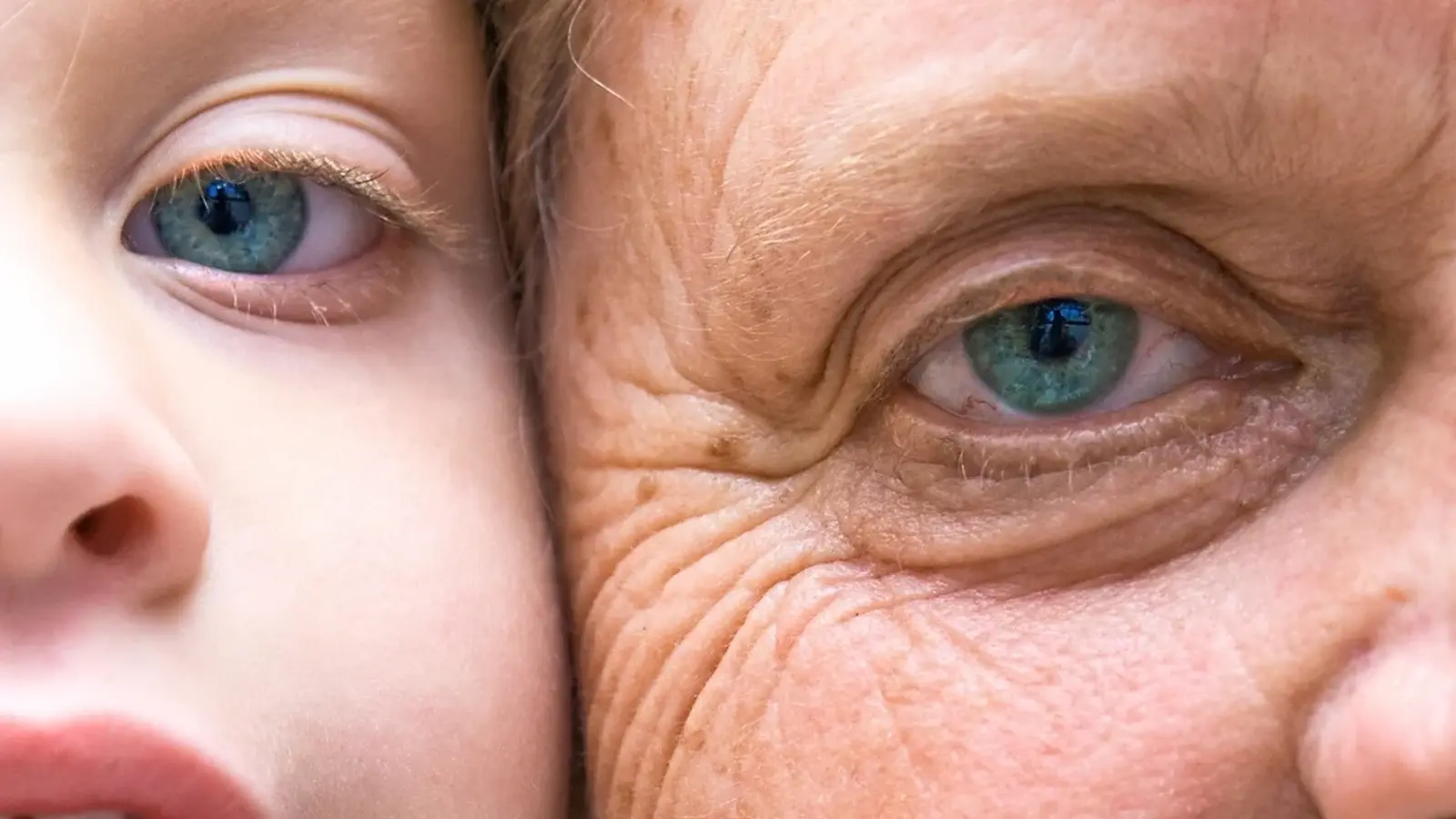
When a treatment promises 'rejuvenation', do we mean fresher-looking skin or an actually younger biology? The distinction matters more than most marketing blurbs let on.
Researchers sifted through 136 publications on common aesthetic procedures — fillers, lasers, microneedling, platelet-rich plasma (PRP), ultrasound and radiofrequency — not to catalog before-and-after photos, but to ask a harder question: do these interventions change the underlying tissue in ways that qualify as true regeneration?
They built a 22-point framework to look beyond collagen deposits and into the architecture, function and cellular hallmarks of aging skin. Think gene activity, chemical signatures tied to cellular age, DNA changes and a cell’s ability to proliferate. These are the kinds of signals scientists use when they say tissue has been biologically rejuvenated, not merely cosmetically altered.
The result was a surprise to some and unsurprising to others. Of 34 primary studies that could be scored against the framework, 26 — about 76.5 percent — fell into what the team called the inadequate-evidence range. No paper reached even half of the 22 criteria: the highest score recorded was 5, and that study was limited to cells grown in the lab. Among trials conducted in people, the top score was 4. Under the authors' thresholds, a study needs at least 6 points before it can be credibly described as showing rejuvenation.

Visible improvement is not the same as proving biological rejuvenation.
Why the gap? Much of the literature zeroes in on collagen. That makes sense: collagen gives skin firmness and structure, and many devices and therapies stimulate its production. But collagen is only one ingredient in a complex recipe. An increase in collagen fibers does not automatically mean that aged cells have reversed their molecular clocks, that tissue organization has returned to a youthful pattern, or that skin function has been restored.
Many studies the reviewers examined were small, lacked control groups, or relied on subjective assessments such as clinician ratings or patient photos rather than objective, reproducible measurements. Some measured a single biological marker and stopped there. Others used promising laboratory models but stopped short of testing in human subjects. Taken together, these limitations mean the literature can show that people look better after treatment, but it struggles to demonstrate that the tissue itself has become biologically younger.
The review itself is a preprint posted on Research Square and has not yet completed peer review. The authors acknowledge limitations: their 22-point scoring system was created by the team and may not capture every facet of rejuvenation, and their search covered three scientific databases, leaving open the chance that relevant work was missed or that biological data existed but went unreported.
Still, the critique touches on a larger debate that’s been building in recent years. What should the word 'regenerative' mean when used in aesthetic medicine? Is it acceptable for clinics to use language that suggests long-term, cell-level renewal when the evidence mostly demonstrates temporary structural or volumetric changes? When words like 'rejuvenation' appear in ads, consumers deserve clarity about whether claims are backed by comprehensive biological data or by improvements that are primarily visual.
There are concrete ways research could improve. Larger, well-controlled clinical trials that combine histology, molecular markers of aging, and functional skin tests would raise the evidentiary bar. Standardized outcome measures and transparent reporting would make it possible to compare modalities and build cumulative knowledge instead of scattered, one-off studies.
For now, the takeaway is straightforward: fillers and lasers can change how skin looks. Some procedures increase collagen and can smooth texture or restore volume. But calling these effects 'regenerative' carries a higher burden of proof — a burden that most existing studies, according to this review, do not meet.

If you’re considering a treatment, ask your provider what kind of evidence supports their claims. Are they pointing to photographs, or to measured changes in tissue biology? The answer should guide expectations and choices in a field where appearance and science are not the same thing.

Leave a Comment
Comments (2)
Solid breakdown, really. Good reminder that more collagen ≠ younger biology. Need bigger trials, molecular markers not just pretty photos. If clinics were honest we'd know more
Wait so 'rejuvenation' usually means better pics, not younger cells? Feels shady. Any clinic actually measure DNA age or just before/after selfies? if that's real then…