
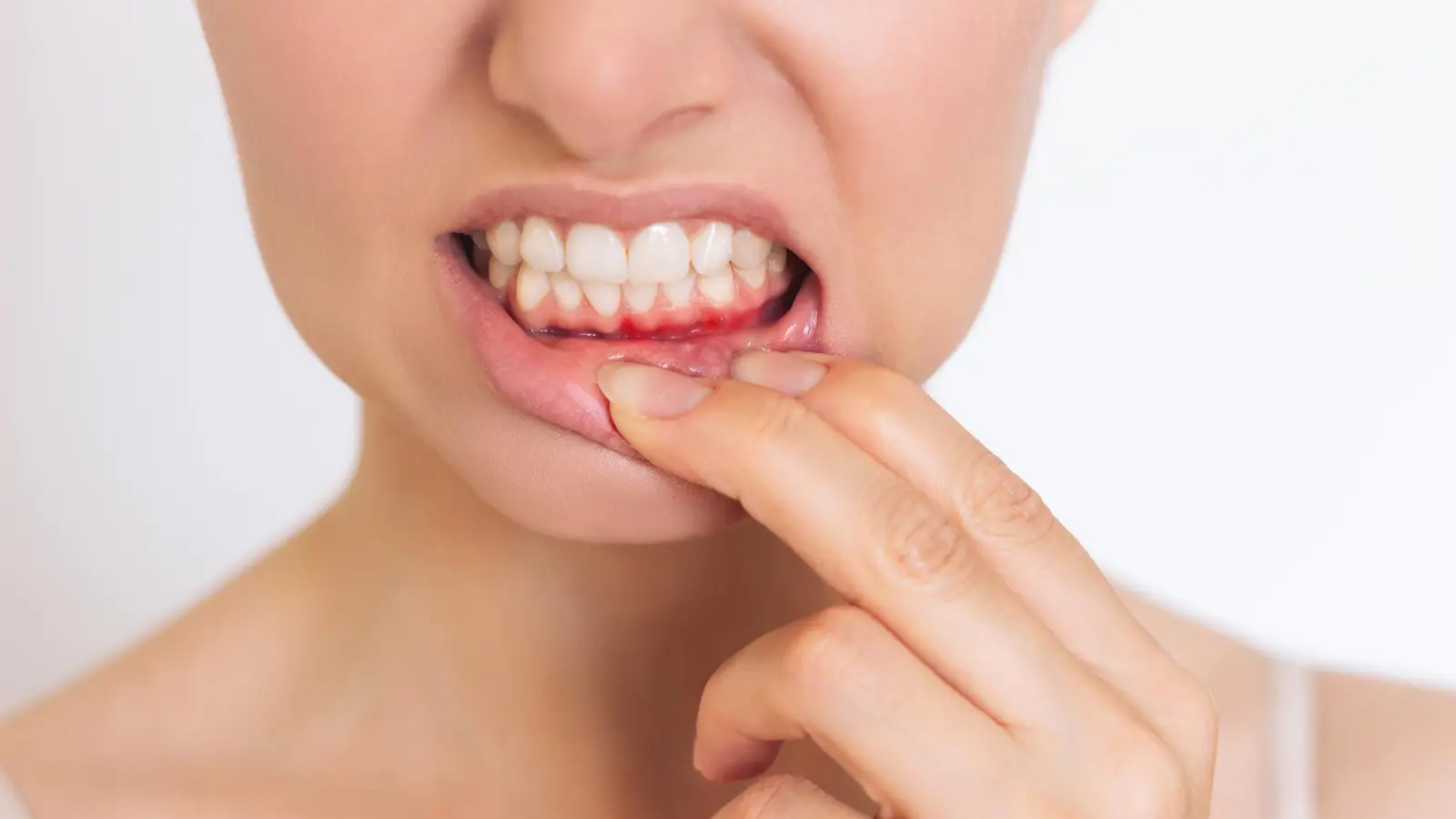
The day scientists figured out how to take out a troublemaker without wrecking the neighborhood, dentistry quietly gained a new weapon. Periodontitis, the stealthy inflammation that gnaws at the bone around teeth, is driven not by random germs but by a few troublemaking species that destabilize an otherwise balanced microbial community. Get rid of those troublemakers and the ecosystem can begin to heal.
Researchers at Nagoya University have borrowed a trick from oncology and turned it toward the mouth. The approach uses an antibody tethered to a dye that sits harmlessly until bathed in near-infrared light. When switched on, the dye digs into its target. The target in this case is Porphyromonas gingivalis, a keystone pathogen that fans the flames of inflammation and helps tilt the oral microbiome toward disease.
Why is that important? Because traditional remedies—broad-spectrum antibiotics and standard antimicrobial photodynamic therapy—act like carpet-bombs. They kill the bad bugs, yes, but they also eliminate the helpful Streptococcus and other allies that keep the mouth resilient. That collateral damage can prolong imbalance and even provoke inflammation through the release of bacterial endotoxins such as lipopolysaccharide.
The Nagoya team call their method near-infrared photo-antibacterial targeting therapy, or NIR-PAT2. Instead of a chemical shotgun, it behaves like a homing arrow. The antibody they used, IgY, comes from egg yolks of hens immunized against P. gingivalis. It’s cheap to produce and scalable—important for any treatment that could reach large numbers of patients.

In laboratory cultures the antibody-dye conjugate bound tightly to P. gingivalis while sparing neighboring bacteria and human gum cells. A pulse of near-infrared light activated the conjugate, which compromised the bacterium’s outer membrane and rendered it nonviable. Microscopy showed small breaches in the bacterial membrane, not wholesale cellular obliteration—an eleganter form of removal compared with the complete destruction produced by conventional aPDT.
Animals with experimental periodontitis told a similar story. Mice treated with NIR-PAT2 lost less alveolar bone than untreated or conventionally treated counterparts. Saliva analyses revealed a selective drop in P. gingivalis levels while beneficial Streptococcus populations remained largely intact. Standard antibiotics and aPDT, by contrast, flattened the microbial landscape, wiping out friends and foes alike.
This method removes the primary periodontal pathogen while leaving the broader oral microbiome intact. It’s a small sentence with a big implication: targeted microbial editing could preserve the ecosystem services that commensal bacteria provide, from crowding out invaders to modulating local immunity.
There are caveats. Periodontitis is rarely the work of a single species. P. gingivalis plays an outsized role, yes, but other microbes collaborate in the transition to disease. Recognizing that, the researchers plan to lean on artificial intelligence to mine public oral microbiome datasets. The goal is to identify additional keystone contributors and to map the interaction networks that sustain dysbiosis. In short: one target may not cure everyone, but a tailored menu of targets, guided by data, might.
Beyond the gums, the stakes get larger. Periodontal inflammation has been implicated in rheumatoid arthritis, diabetes and other systemic conditions. If precision microbial therapies can tame oral inflammation without collateral damage, they might also reduce systemic risk in susceptible patients. More research is needed, of course. Clinical trials, delivery systems suitable for human mouths, and long-term safety studies all lie ahead.
For now, NIR-PAT2 is a promising demonstration of a simple idea: you don’t always need to burn the house to evict a tenant. With the right targeting molecules and a light switch, it may be possible to restore balance to a microbial community and give healing a chance—and that is a vision that dentists, microbiologists and patients will want to watch closely.

Leave a Comment
Comments (1)
Wait, so they zap P.gingivalis with NIR light and spare the good bugs? Sounds cool but is this safe long term, and what about mixed infections? curious…