
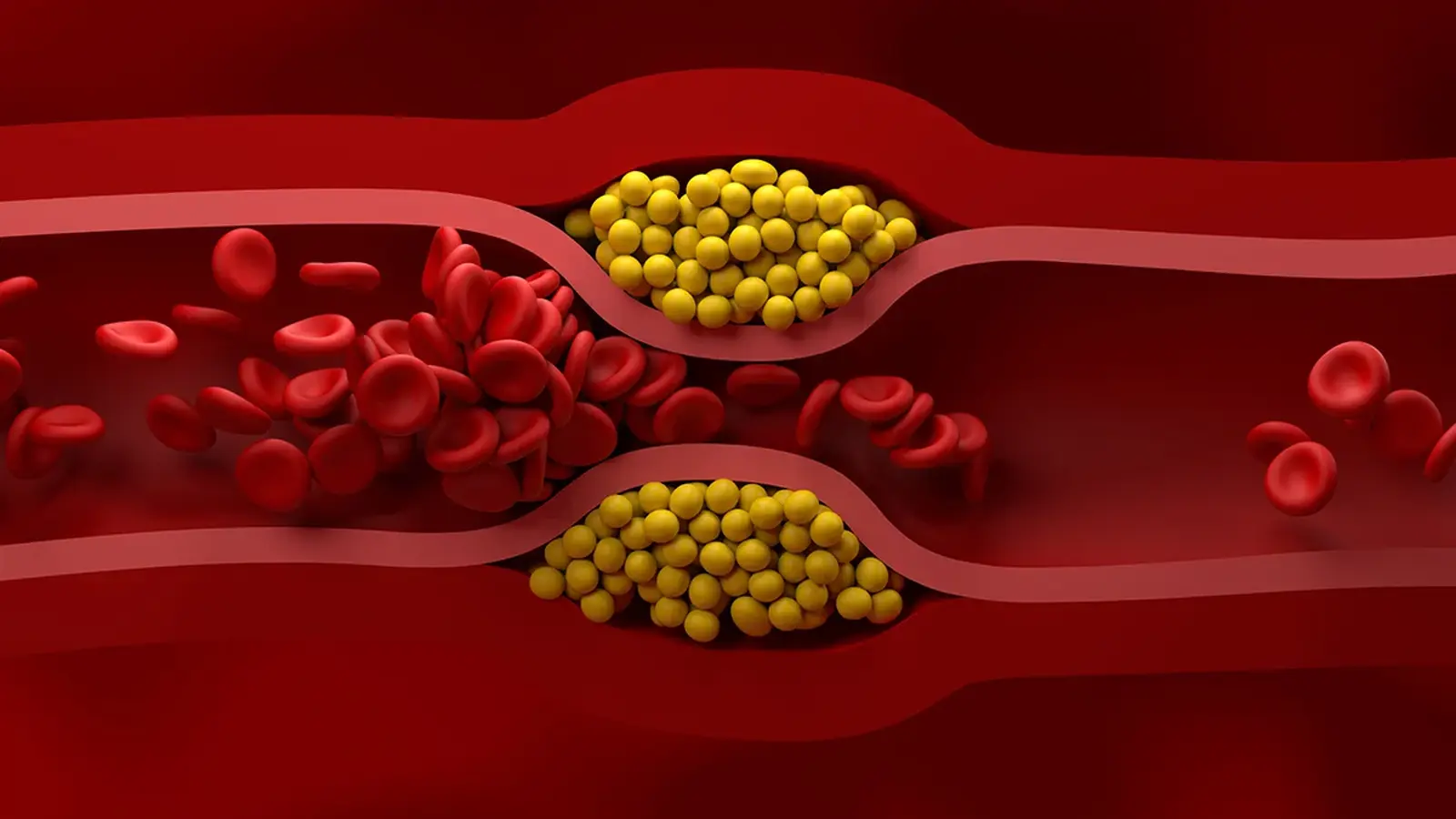
Think of cholesterol as slow corrosion: it accumulates quietly, year after year, and one day an artery fails. That stealthy process—driven largely by elevated LDL, the so-called "bad" cholesterol—remains a leading cause of heart attacks and strokes. Now, American cardiology authorities say it's time to act sooner and more precisely.
About one in four US adults carries high LDL. But LDL isn't the whole story. Abnormal levels of other lipids and lipoproteins—collectively labeled dyslipidemia—also fuel atherosclerotic cardiovascular disease (ASCVD), the top killer worldwide. The 2026 guidance from US experts reframes treatment strategy: reduce harmful blood fats earlier in life and for longer stretches.
Why the shift? Researchers liken prolonged exposure to atherogenic lipoproteins to compound interest on risk: the longer it accumulates, the greater the payoff in the form of heart disease. Cardiologists leading the guideline committee argue that lifestyle advice is still the first line, but if numbers don't improve after a reasonable interval, clinicians should consider lipid-lowering medications sooner than in the past.

Screening recommendations have been nudged forward. If a child hasn’t been checked, guidelines advise starting routine cholesterol screening at ages 9–11. For families with strong histories of early heart disease or genetically driven cholesterol disorders, testing can begin as early as two years old. The message is plain: find the problem early so you can manage it early.
Another practical change is the rollout of a new risk tool called PREVENT. Designed for people aged 30–79, PREVENT estimates both 10-year and 30-year cardiovascular risk using routine clinical data—cholesterol, blood pressure and basic personal health information—and then layers in so-called risk enhancers to refine the picture. That helps clinicians decide when to escalate from lifestyle measures to drug therapy.
How the numbers are being used matters. Under the new framework, patients with a calculated 10-year ASCVD risk between 3 and 5 percent fall into a borderline category where clinicians may consider LDL-lowering therapies. Those at 5–10 percent sit in an intermediate band—treatment is recommended as a stronger consideration. The guidelines also specify LDL-C targets: below 100 mg/dL for borderline or intermediate risk, below 70 mg/dL for high risk, and below 55 mg/dL for people with established ASCVD who are classified as very high risk. In short: lower LDL for longer equals greater protection.

Statins remain the backbone of medical therapy, widely supported by clinical trials showing reduced cardiovascular events. But the guidance reflects broader pharmacologic options now in common use: ezetimibe, bempedoic acid, monoclonal antibodies that inhibit PCSK9, and newer agents such as inclisiran. The idea is to personalize care—use the right combination to reach a patient’s goal safely and efficiently.
For patients, the takeaway is both simple and demanding. Healthy diet, regular activity, and routine checkups still matter more than ever. Yet if lifestyle steps fail to bring lipid numbers into a safer range, the new guidance recommends clinicians consider medication earlier rather than waiting. It's about stacking prevention over a lifetime, not scrambling to repair damage once symptoms appear.
The guidance appears in the Journal of the American College of Cardiology and reflects a growing consensus: ASCVD is largely preventable, and a proactive approach to blood lipids can change long-term outcomes. The challenge now is implementation—making sure screening, risk assessment with PREVENT, and individualized therapy become part of everyday primary care so fewer people pay the price of late intervention.
When prevention becomes routine, the quiet corrosion of arteries may finally meet a persistent, early response.

Leave a Comment
Comments
No comments yet. Be the first.