
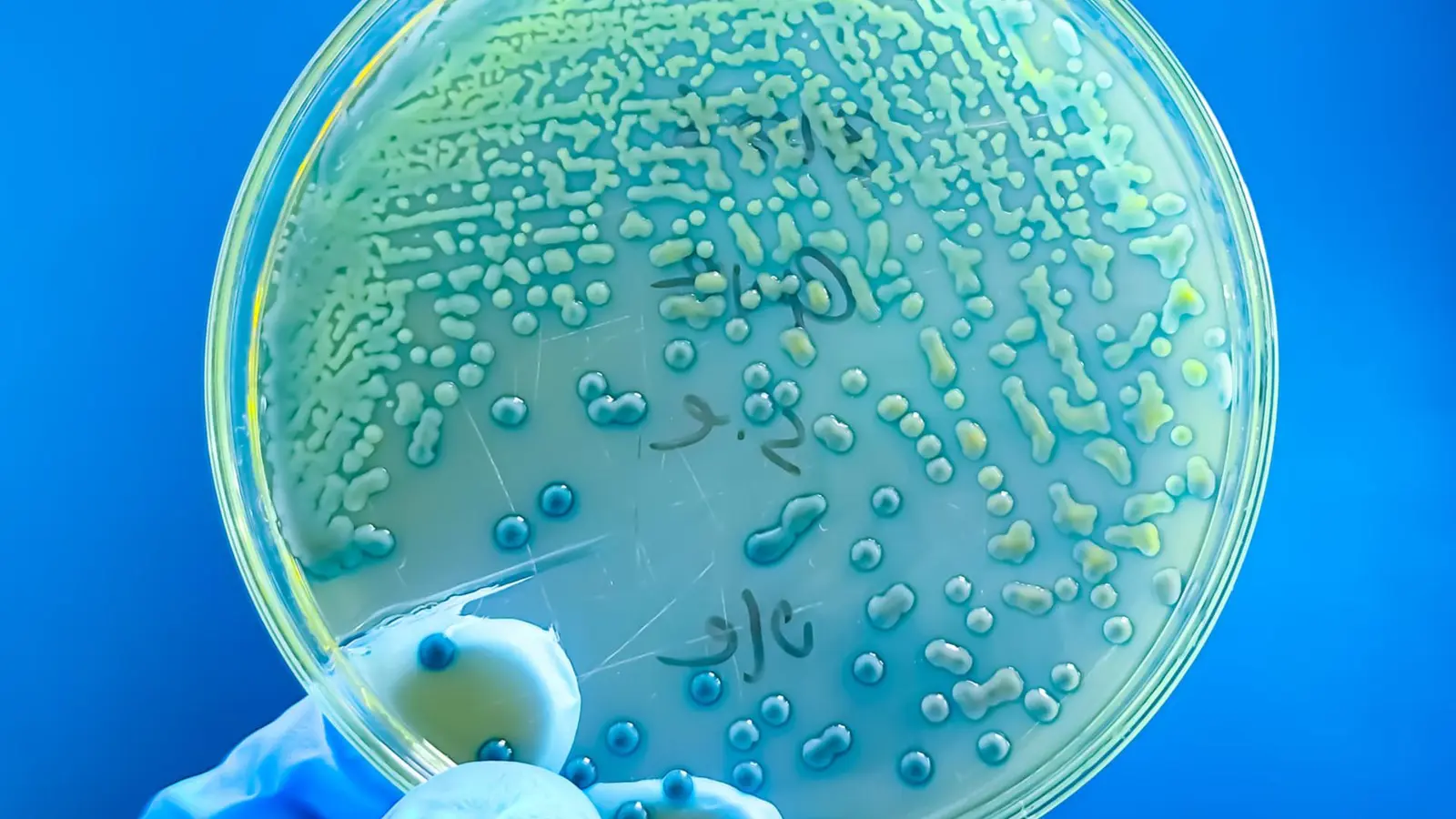
Antibiotics are losing ground among the youngest patients. Quietly, and across continents, childhood infections are becoming harder to treat.
Researchers scoured more than 106,000 clinical bacterial samples collected from children and adolescents (ages 0–18) in 82 countries between 2004 and 2022. The samples came from hospital wards, intensive care units and outpatient clinics, and the team used those data to map resistance patterns and model how they might evolve through 2035. The result is one of the clearest portraits yet of pediatric antimicrobial resistance (AMR): a mounting global threat that too often hides behind adult-centered surveillance and headline-grabbing viral outbreaks.
The numbers are stark. Global estimates link roughly 840,000 deaths in children under five in 2021 to antimicrobial resistance. If current trends continue, the models suggest some essential antibiotics could face dramatic rises in resistance by 2035, particularly against common and dangerous bacteria such as Acinetobacter baumannii and Klebsiella species.
To make sense of treatments, the team grouped drugs using the World Health Organization's AWaRe framework: 'Access' medicines are first-line agents with narrower spectra; 'Watch' drugs are broader-spectrum and should be used selectively; 'Reserve' agents are last-resort options. Across all regions, resistance to Access antibiotics fell overall during the study period, but that headline masks deep inequities.


In high-income countries, resistance among eight WHO-designated priority bacteria to Access drugs dropped from about 48% in 2004 to 29% in 2022. In low-income settings the picture moved in the opposite direction: resistance crept from roughly 44% to 47% over the same years. For the more worrisome Watch-class antibiotics, resistance in the eight critical organisms climbed in high-income countries from 14% to 24%, and in lower-income countries from 16% to 48%. Reserve-drug resistance also rose: from 9% to 25% in wealthier nations and from 4% to 37% in poorer ones.
Those trajectories matter because children typically have fewer safe antibiotic choices than adults. A shrinking arsenal raises the stakes. Dr. Yanhong Jessica Ho, a clinical epidemiologist at Murdoch Children's Research Institute, cautions that these model outputs are warnings, not predestined outcomes. The projections assume past patterns persist unchanged; with decisive policy shifts and investments, the course can be altered.
Part of the problem is surveillance. Many national monitoring systems pool adult and pediatric samples, which can mask trends unique to children: different exposure patterns, distinct prescribing practices and dissimilar clinical options. Pediatric-focused studies, meanwhile, vary widely in age groups and clinical settings, undermining direct comparisons and complicating policy response. The dataset used here is richer than most, but even it draws from limited clinical sites and cannot be treated as a perfect national prevalence estimate.
Drivers of rising resistance are familiar — and fixable. In lower-resource settings, fragile health infrastructure and easy, uncontrolled access to antibiotics accelerate misuse. Over-the-counter availability encourages incomplete courses or inappropriate prescriptions, creating the selective pressure that breeds resistant strains. Wealthier countries are not immune; resistance increases there too, though often tempered by sustained stewardship and targeted investments, such as successful campaigns against methicillin-resistant Staphylococcus aureus (MRSA).
Modeling to 2035 suggests resistance to Watch antibiotics is likely to continue increasing in many regions, while Reserve-drug resistance may climb more slowly. Low-resource countries play a disproportionate role in driving these projected shifts, but the consequences ripple globally: resistant pathogens do not respect borders.

This analysis, published in JAMA Pediatrics, sharpens our view of pediatric AMR and its likely course if inertia prevails. Enhanced child-specific surveillance, stronger stewardship, improved diagnostics and equitable investments in health systems are not optional extras — they are necessary to preserve the drugs that keep children well. Will global health actors treat this as a forecast or as a call to act?

Leave a Comment
Comments (2)
Is the modeling solid? Pooling adult + kid samples sounds sketchy, age groups mixed and settings differ, if that's real then... what next?
This is terrifying... kids have fewer antibiotic options, and poorer countries get hit hardest. We need real fixes now, not slow talk