
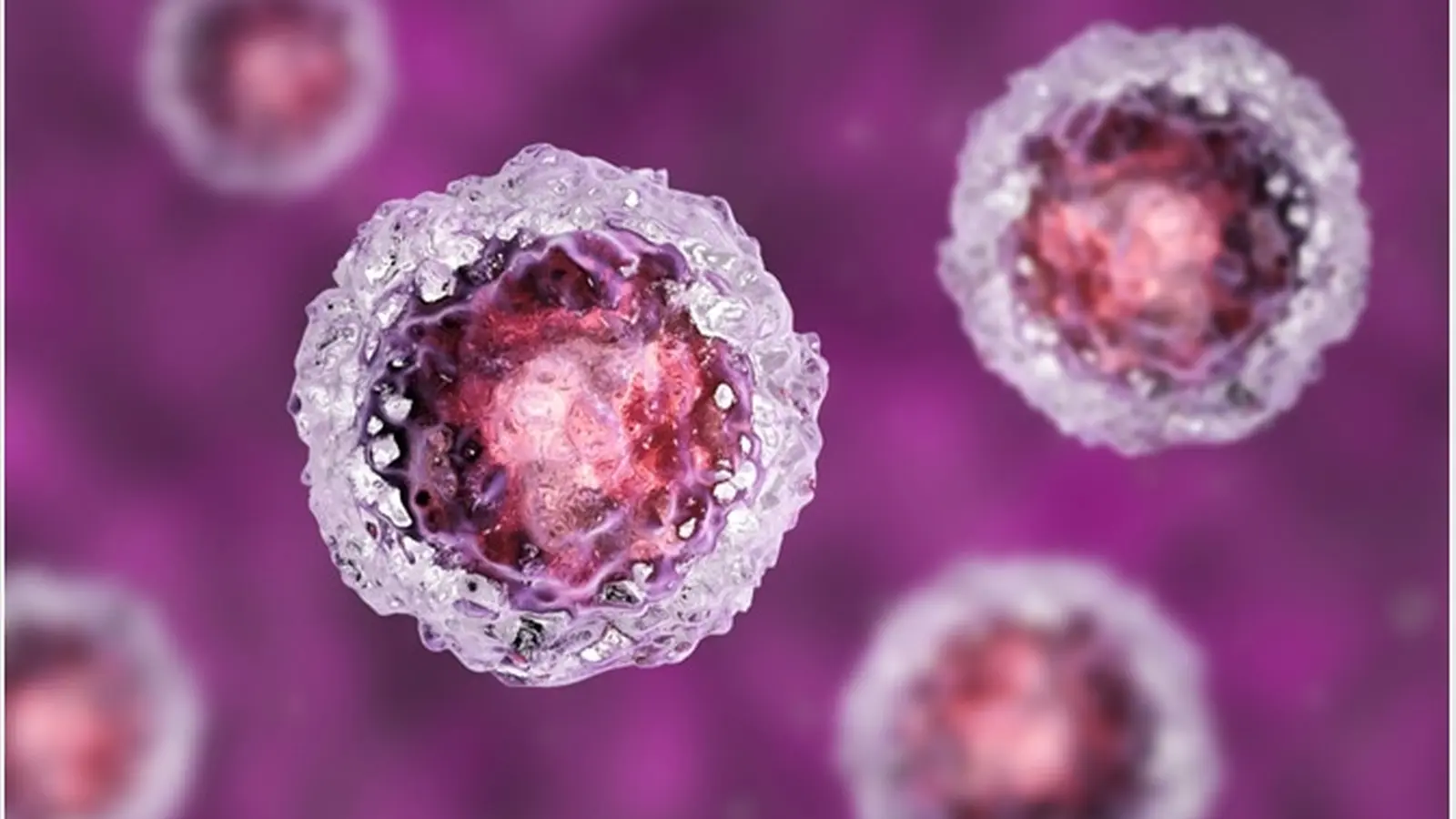
Some cancers run on pure momentum. High-risk myelodysplastic syndromes (MDS) appear to run on stolen fuel.
Researchers at the University of Colorado Anschutz have spotted a metabolic quirk that sets the malignant stem cells driving high-risk MDS apart from their healthy counterparts: an unusually heavy reliance on nicotinamide adenine dinucleotide, or NAD. This small molecule helps power cellular reactions across the board. But in these diseased stem cells it looks less like a helper and more like an addiction.
Why does that matter? Because addiction creates dependence. And dependence, if you can target it precisely, creates an opening. The Colorado team found that MDS stem cells are disproportionately dependent on the NAD salvage pathway—the cellular recycling route that replenishes NAD—centered on an enzyme called nicotinamide phosphoribosyltransferase (NAMPT). When the investigators interfered with NAMPT, NAD levels dropped and the cancer stem cells faltered. Healthy hematopoietic stem cells, by contrast, proved more metabolically flexible and were better able to compensate.
“They were relying on a specific set of proteins and processes that created a vulnerability we could potentially target,” said Eric M. Pietras, PhD, co-lead of the study and associate professor in the Division of Hematology at the University of Colorado Anschutz. The work appears in Blood Cancer Discovery.

MDS starts in the bone marrow, where mutated blood-forming stem cells spawn defective red cells, white cells and platelets. Clinically, that can mean severe anemia, frequent infections, bleeding and a need for repeated transfusions. In higher-risk forms, the disease can progress to acute myeloid leukemia. It is primarily a disease of older adults—roughly 10,000 to 20,000 new U.S. diagnoses per year and an age-adjusted incidence around 4.4 to 4.6 per 100,000—so treatment options that are both effective and tolerable are urgently needed.
Treatments today range from supportive care to hypomethylating agents such as azacitidine and decitabine, to chemotherapy and allogeneic stem cell transplant, the latter being the only generally curative option but one that carries significant risk for older patients. That reality pushes researchers to search for molecular differences that a drug could exploit—differences that leave healthy cells relatively unscathed while striking at the disease-sustaining population.
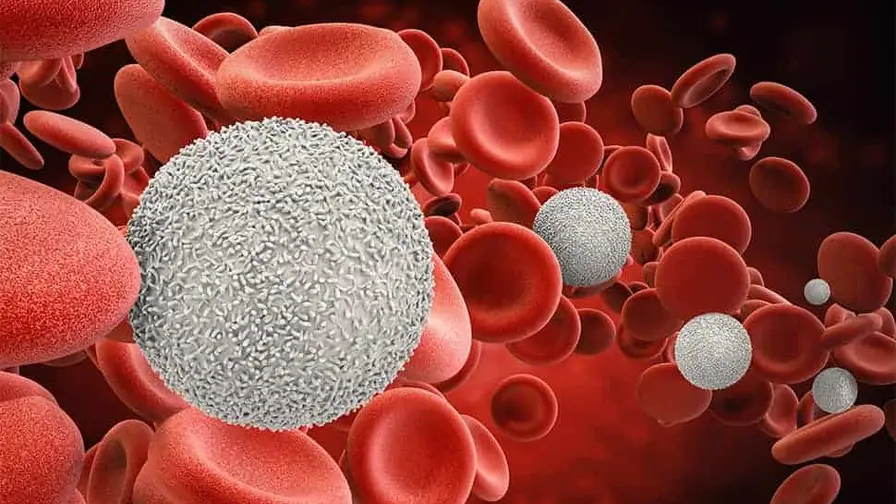
The Colorado investigators used patient-derived MDS samples and animal models to test whether disrupting NAD salvage would collapse the malignant stem cell compartment. It did. In those preclinical systems, NAMPT blockade created what the authors call an "energy addiction" crisis inside MDS stem cells: NAD fell, energy-related processes failed, and the cells that propagate the disease weakened.
Targeting NAMPT collapsed NAD supply and selectively weakened MDS stem cells in preclinical models.
That selectivity is the key. Lots of cancers and healthy tissues require NAD. What makes a drug useful is a reproducible difference in how much a diseased cell depends on a pathway versus a normal one. According to Pietras and colleagues, the high-rate NAD consumption in malignant MDS stem cells—and their limited ability to switch to alternate metabolic routes—makes NAMPT an attractive candidate for therapeutic exploration.
Still, caution is essential. The results remain preclinical. Blocking a central metabolic enzyme can carry safety concerns. NAMPT inhibitors have been studied in other tumors and early trials flagged dose-limiting toxicities in some contexts, so the challenge will be to find a therapeutic window in which malignant stem cells are crippled while normal bone marrow function endures.
There may also be broader implications. Other labs have reported tumors with elevated NAD demand, and those malignancies might share the same Achilles' heel. If so, NAD metabolism could be a general metabolic vulnerability across multiple cancer types—provided selective, tolerable strategies can be developed.
Next steps are clear: refine NAMPT-targeting molecules, test combinations that widen the therapeutic margin, and move into carefully designed clinical trials for MDS and related blood cancers. The hope is that by understanding what cancer stem cells need most, clinicians can cut off the supply lines that let disease persist or return.
Can we turn a cancer cell's energy addiction into a lifesaving vulnerability? The lab results are promising—now the work must prove it in patients.


Leave a Comment
Comments (2)
Is this even true? NAMPT inhibitors had bad toxicities before... Preclinical promise is fine, but elderly MDS patients are fragile, translation will be tough
Wow, energy addiction in cancer stem cells? wild. If NAMPT drugs can spare normal marrow, big deal. But side effects tho, hope they nail dosing