
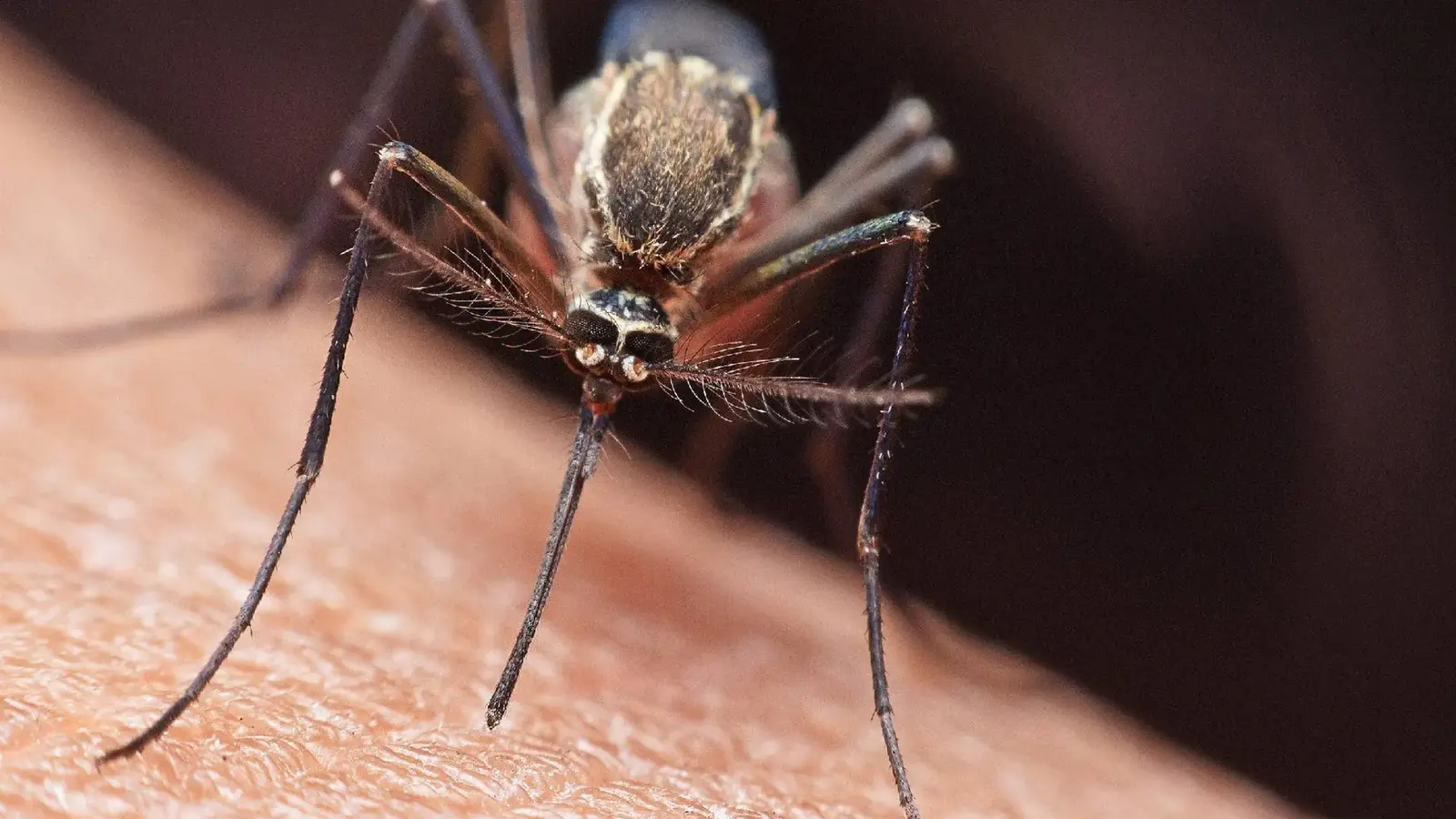
At a summer cookout, one friend scratches furiously while everyone else barely notices the insects. It feels personal. It feels unfair. But it's not magic. Mosquitoes don't pick victims at random; they follow a mosaic of chemical and physical clues that make some people irresistible.
Carbon dioxide is the long-range beacon. Every breath you exhale paints a trail through the air, and female mosquitoes—only females bite—use that plume to zero in on a potential blood meal. Big breathers, like adults or pregnant women, produce more CO2 and thus draw more attention. Close the distance, though, and a different set of signals takes over: the scent of your skin, its warmth, the moisture of your sweat, even the color of your clothing.
Genetics and skin chemistry—rather than bad luck—largely determine who gets bitten more often. Decades of work, including twin studies, show that identical twins attract similar numbers of mosquitoes while non-identical twins do not, pointing to a strong hereditary component. That inherited signature shows up as the blend of volatile organic compounds released from your skin.
Think of your skin as a tiny chemical factory. Oils, fatty acids, sweat and dead cells are broken down by trillions of resident bacteria into dozens, even hundreds, of volatile molecules. Mosquito noses—actually specialized antennae and receptors—are exquisitely tuned to those cues. One experiment captured body odor in nylon sleeves worn for hours, then let female mosquitoes choose among samples. The outcome was stark: some volunteers were attractive up to a hundred times more than others, and those differences were stable months later.

What makes a skin scent attractive? Studies highlight carboxylic acids—natural components of skin oil—as a major signal. People who emit higher levels of these acids tend to be more irresistible to mosquitoes. Thermal contrast matters too. Once the insect gets close, the subtle temperature difference between your skin and the surrounding air helps it pick a landing spot and pierce the skin.
The microbiome adds another twist. Areas like ankles and the soles of the feet, where odorous bacteria thrive, are frequent targets. Greater bacterial diversity on the skin seems to reduce attractiveness, while dominance by a few species can amplify the production of mosquito-attracting scents. In short: which microbes live on you matters almost as much as what you produce.
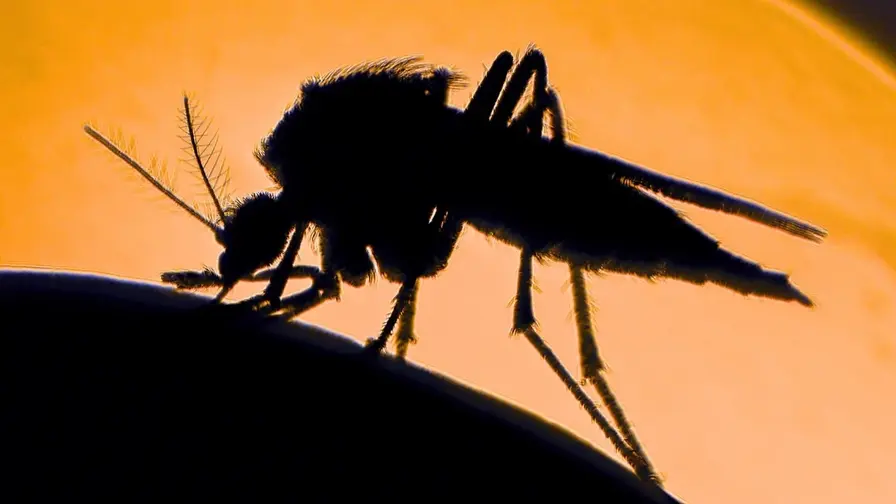
Old folklore about blood types contains a grain of truth. Lab trials have shown mosquitoes can prefer people with blood type O over A, and type B sits between them. But blood type is only one small note in a complex symphony; it rarely overrides the stronger cues of scent, CO2 output, or heat.
Temporary states change the tune. Exercise increases breathing, raises skin temperature, and produces sweat rich in lactic acid and ammonia—compounds mosquitoes like—so a jog can make you a brighter target. Alcohol has a curious effect too: a study found that drinking a single 350 ml beer significantly increased mosquito landings on volunteers. Researchers suspect alcohol alters the mix of volatile chemicals emitted from skin and breath, though the precise molecules remain unidentified.
Pregnancy ramps up several attractants at once. Expectant mothers breathe more and have slightly higher skin temperatures and metabolic rates, which helps explain why some malaria-vector species bite pregnant women nearly twice as often as non-pregnant women.
Even the clothes you choose can tip the odds. After scent and CO2 guide a mosquito in, visual cues can influence the last-second decision. Dark, bold colors—black, red, orange, turquoise—are more likely to attract some species, whereas light shades like white or pale green are less conspicuous.
Not everyone who ends up with swollen, itchy welts has been bitten more often. Immune responses vary. Genetic differences in the immune system and allergy-related genes shape how vigorously skin reacts. A small red dot for one person can be a hard, itchy bump for another, creating the false impression that some people simply get bitten more.
So what can you do? You can't rewrite your genes, but you can stack the deck. Proven repellents—DEET, picaridin (icaridin), oil of lemon eucalyptus (PMD), and IR3535—work when used correctly, though their duration depends on concentration, sweating, and activity. Light-colored, long-sleeved clothing at dusk and dawn still helps. In high-risk areas, insecticide-treated nets and permethrin-treated clothing remain lifesaving measures. Remove standing water around your home; mosquitoes need it to breed.
Researchers are pushing further. Some teams aim to alter the skin microbiome with beneficial bacteria so attractive compounds are broken down before they ever form. Others are trying to block the mosquito's smell and heat receptors with compounds that scramble the insect's senses. If those approaches succeed, future protection might come from a topical product that shifts skin chemistry or from engineered microbes that quietly make you less detectable for weeks or months.

For now, the next time a mosquito seems to single you out, remember: it's not personal. It's biological—and understanding that biology is how we take the sting out of summer.

Leave a Comment
Comments (2)
Beer making you more tasty to mosquitos? hmm... did they control scent, or just assume beer=more sweat?
Wow, so my skin is a tiny chemical factory? wild. Always blamed bad luck, but guess my ankle bacteria have opinions lol. Gross and fascinating.