
3 Minutes
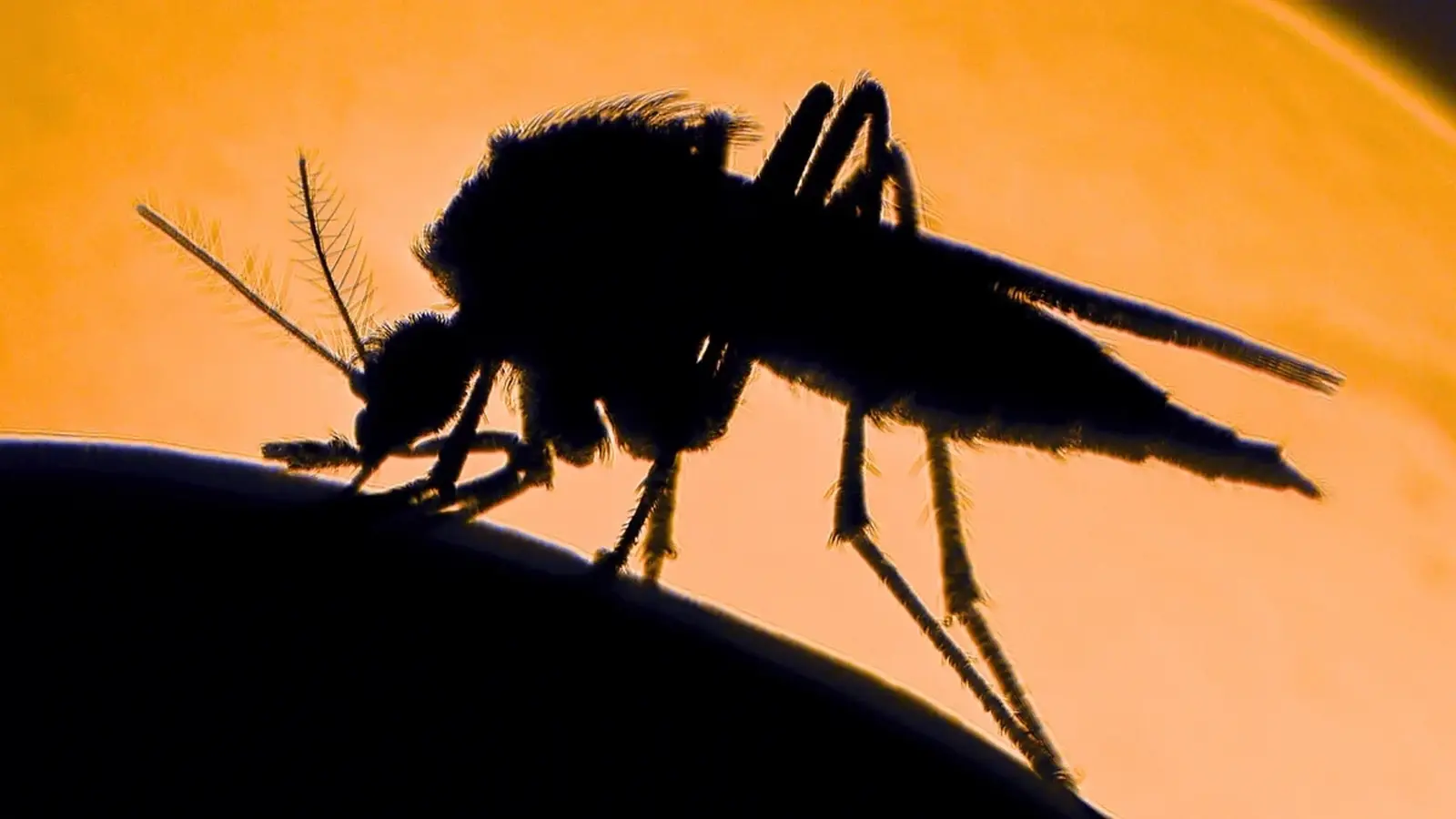
Ever wondered why you seem to be a mosquito magnet while friends walk away unmarked? It turns out the tiny assassins of summer are guided by a layered chemical roadmap you can't see but they read with uncanny precision.
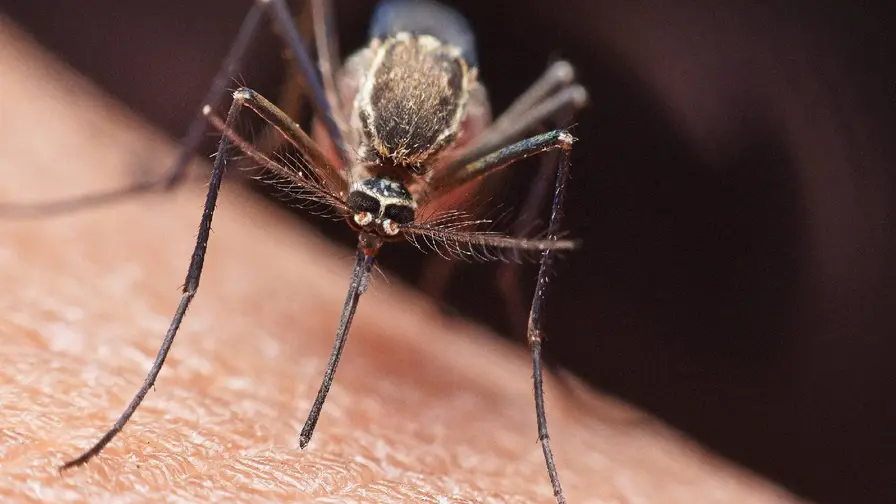
Female mosquitoes, the only ones that bite, begin their hunt by following carbon dioxide plumes that stretch meters through the air. That puff of CO2 is the long-distance flare; it says, "There's a warm-blooded meal downwind." As the insect closes the gap, another set of cues take over: human odor, skin warmth and local humidity. These signals act together, and the combination determines who gets bitten.

Recent lab work with Aedes aegypti—the species that spreads dengue and yellow fever—sheds new light on the odor question. Researchers exposed mosquitoes to 42 women and tracked which individuals drew the most attention. The finding was surprisingly specific: mosquitoes react not to a single scent but to blends of volatile molecules produced on our skin. Of roughly 300–1,000 possible compounds humans emit, the team identified about 27 that Aedes reliably detects.
One molecule stood out: 1-octen-3-ol, sometimes called "mushroom alcohol." Small rises in this compound, generated as skin oils break down, made people measurably more attractive to the mosquitoes. Pregnant women in their second trimester were among those who produced higher amounts and drew more interest from the insects. The takeaway is subtle but important—it's the cocktail, not a single ingredient, that matters.
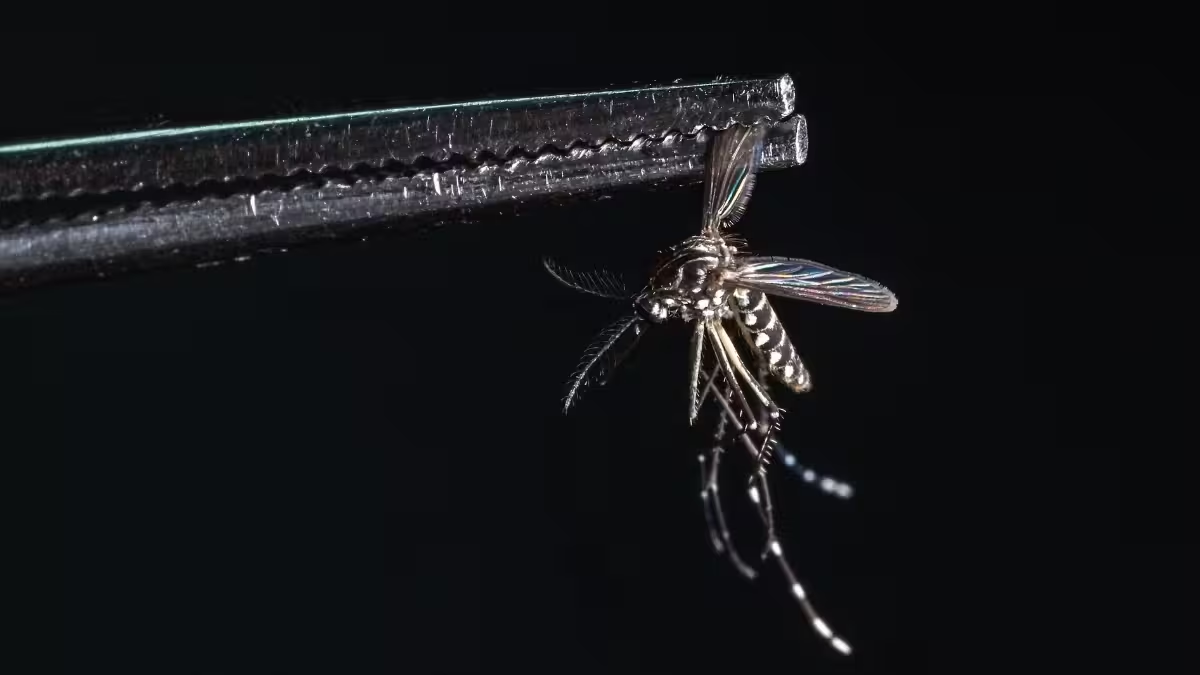
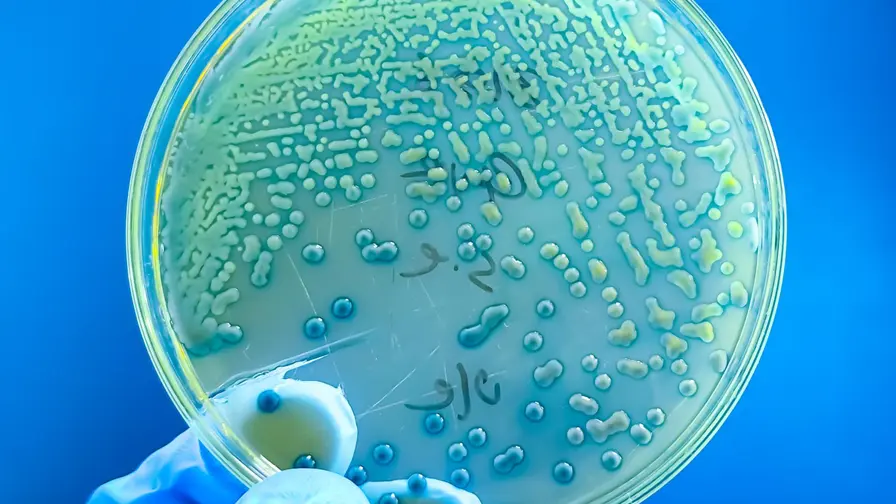
Some popular explanations don't hold up to scrutiny. Blood type? Skin, hair or eye color? Those ideas have little solid evidence behind them. Instead, your personal microbiome—the community of bacteria living on your skin—helps compose your scent signature. Different microbes create different volatile molecules, and mosquitoes have evolved receptors tuned to those cues.
Alcohol consumption also plays a role. Multiple studies, including controlled trials in Burkina Faso and a larger volunteer study in the Netherlands, found that people who had recently drunk beer were modestly more attractive to Anopheles mosquitoes. Alcohol can raise body temperature, alter skin odor and increase exhaled CO2—all factors that boost bite risk.
Closer to home, body heat and moisture sharpen the mosquito’s interest. A person who is warm, sweating or exhaling more CO2 becomes a more obvious target as the insect closes in, which is why outdoor summer evenings and strenuous activity often end with itchy welts.
There is also a worrying ecological angle. Climate change is expanding the territories of vectors like the tiger mosquito (Aedes albopictus), and diseases once confined to the tropics are creeping northward. Chikungunya, for example, has appeared further into Europe in recent years. That means more people are at risk of encounters with species whose sensory systems exploit the same human cues outlined above.

So what can you do? Simple, time-tested measures remain effective: long, loose clothing, insecticide-treated nets where appropriate, and EPA- or WHO-recommended repellents. Limiting alcohol before spending time outdoors, staying cool and avoiding heavy perfumes that can interact with your natural scent may help too. While science unravels the molecular details, practical behavioral changes still blunt the bite.
Understanding why mosquitoes prefer certain people is less about a single flaw in the unlucky host and more about a rich interplay of chemistry, biology and environment—an invisible conversation that ends, for some of us, with itchy reminders of a tiny, relentless appetite.






Leave a Comment
Comments
No comments yet. Be the first.