
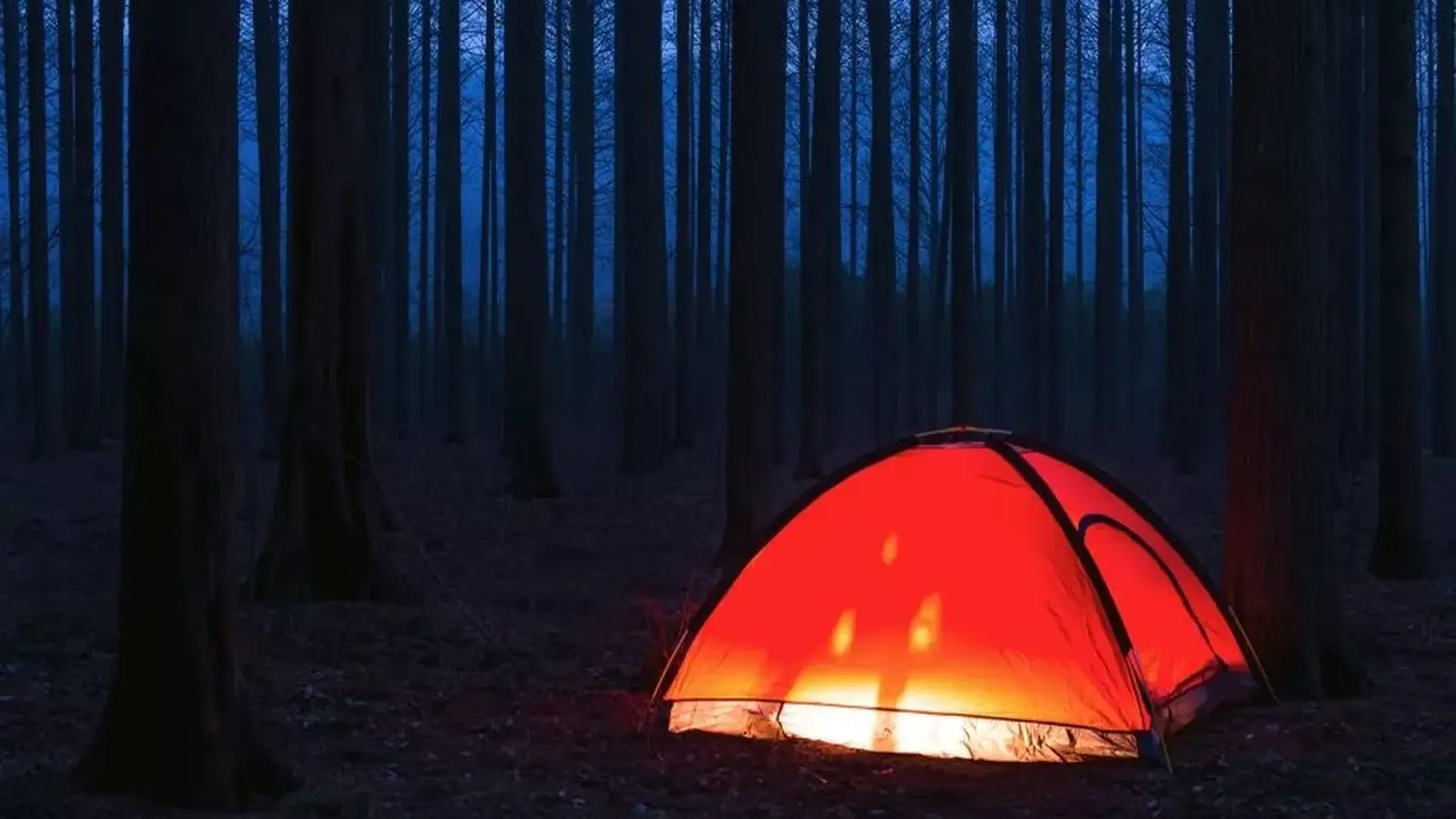
Imagine a tent that charges your phone while you pace inside it. Silent, without panels or fuel. It won’t replace large power systems, but it can turn everyday motion—wind, footsteps, the flap of fabric—into usable electricity.
Researchers have woven that idea into a working prototype using magnetoelastic materials: fabrics that change their magnetic state when bent, stretched or vibrated. That shift in magnetism is converted into current through electromagnetic induction. The principle behind it isn’t new. Italian physicist Emilio Villari noticed the effect back in 1865; what’s novel is stitching that physics into a light, flexible shelter.
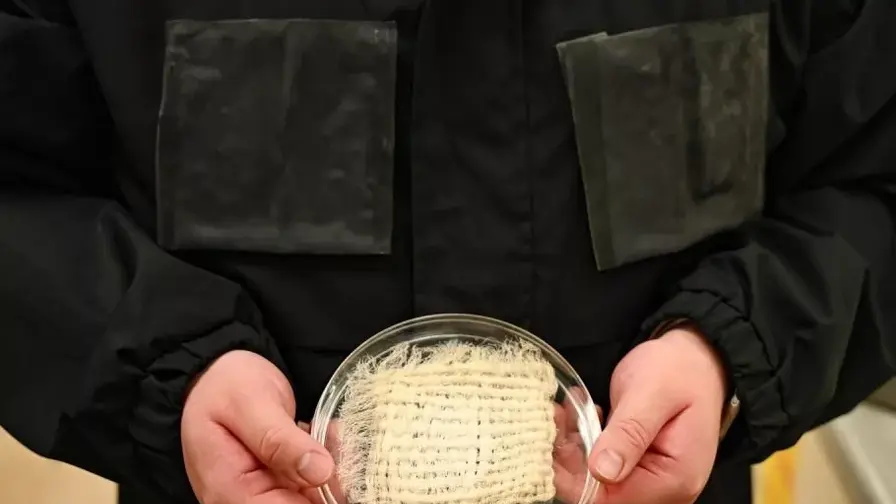
The tent’s skin plays double duty as both shelter and energy harvester. Floor strips of magnetoelastic ribbons capture pressure from sitting and walking. The roof layers pair magnetoelastic sheets with conductive fibers, tuned to harvest energy from gusts and environmental tremors. Even the small give of fabric when a person sets a pole or tugs a stake contributes to power generation.

Small but telling results came from lab tests. A simple tap on a sample sheet charged a 0.22-microfarad capacitor to 5.8 volts in roughly 1.5 seconds. That’s a brief, quantifiable pulse of stored energy from a single mechanical impulse. Scale the material across a full tent and the intermittent knocks, footsteps, and wind-driven oscillations add up.
What does that mean on the ground? For humanitarian teams, campers, and researchers operating off-grid, intermittent low-power generation can be transformative. A steady trickle can run LEDs, recharge radios, power environmental sensors, or maintain low-power comms without hauling fuel or heavy battery packs. Unlike solar panels, magnetoelastic fabrics work in the dark, in shade, and under cloud cover—anywhere the tent flexes.
There are trade-offs, of course. The system won’t compete with rooftop arrays for wattage. But it sidesteps some real-world problems: no combustible fuel to transport, no fixed angle to face the sun, and no extra weight equivalent to dozens of lithium batteries. Its strength is distributed, passive generation tied to normal human and environmental motion.
Design is surprisingly pragmatic. Layers must be durable, flexible, and weather resistant while preserving magnetic responsiveness. Conductive fibers route the induced currents to small storage elements and power outlets. The materials need to tolerate repeated bending and abrasion; a shelter in the field is not a laboratory sample. Engineers are working on stitching, lamination, and connector designs that keep the assembly robust and serviceable.
Beyond tents, the concept points to a broader idea: fabrics as active systems. Clothing, backpacks, and temporary structures could become low-power microgrids—soft infrastructure that scavenges energy from routine use. That vision raises manufacturing and sustainability questions, but it also opens new design spaces for disaster relief and remote living.
The research was published in the journal Matter, where the team outlines both performance metrics and practical prototypes. It’s early-stage, but the direction is clear: energy needn’t always come from centralized generation or sunlight. Sometimes it’s hiding in the small, repeated motions of everyday life.
Curious? The next time a tent flap snaps in a gust, consider that the motion could be doing more than making noise.

Leave a Comment
Comments
No comments yet. Be the first.