
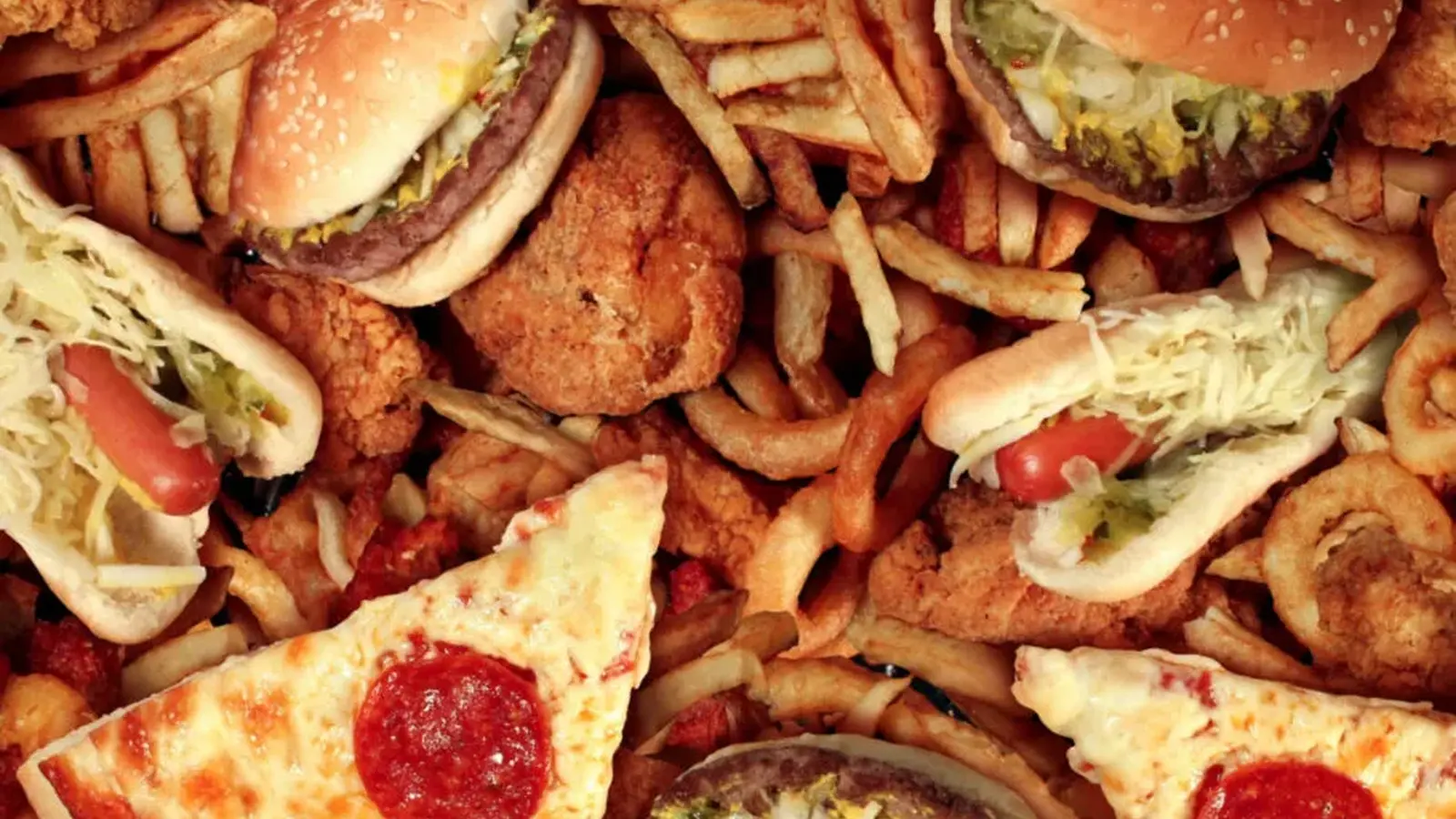
The shopping cart that follows us home tells a story. Crispy packages, colorful wrappers, a frozen pizza wedged between a bag of chips and a tub of instant dessert—convenience, comfort and calories bundled into one. New scientific evidence suggests that story has a darker ending than we thought.
A sweeping analysis of more than 50 studies, encompassing nearly 9 million adults, links diets high in ultra-processed foods—think cookies, chips, cakes, pizza, hot dogs and sugary or salty snacks—to a higher burden of chronic disease and premature death. The pattern emerges again and again across different populations and study designs: regular reliance on these products is not a harmless lifestyle choice but a measurable health hazard.
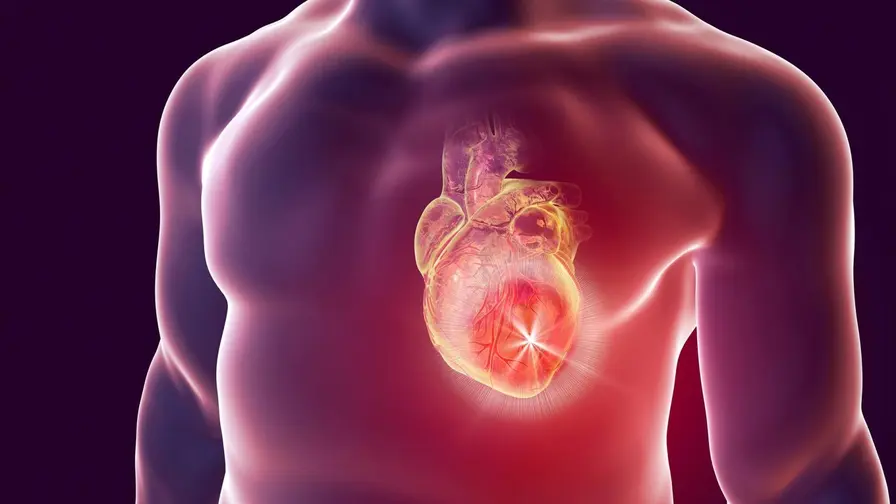
How big is the hit? People whose diets lean heavily on ultra-processed foods face roughly a 25% higher chance of cardiovascular events, diabetes and obesity. Mental health isn’t spared either: the risk of depression and anxiety rises by about 27%. Digestive disorders become more common too, with gastrointestinal disease risk up by roughly 31%.
Each additional 100 grams per day of ultra-processed food is associated with a 4% rise in cancer incidence and a 3% increase in all-cause mortality. Those are small-sounding percentages with very large consequences when multiplied across millions of people.
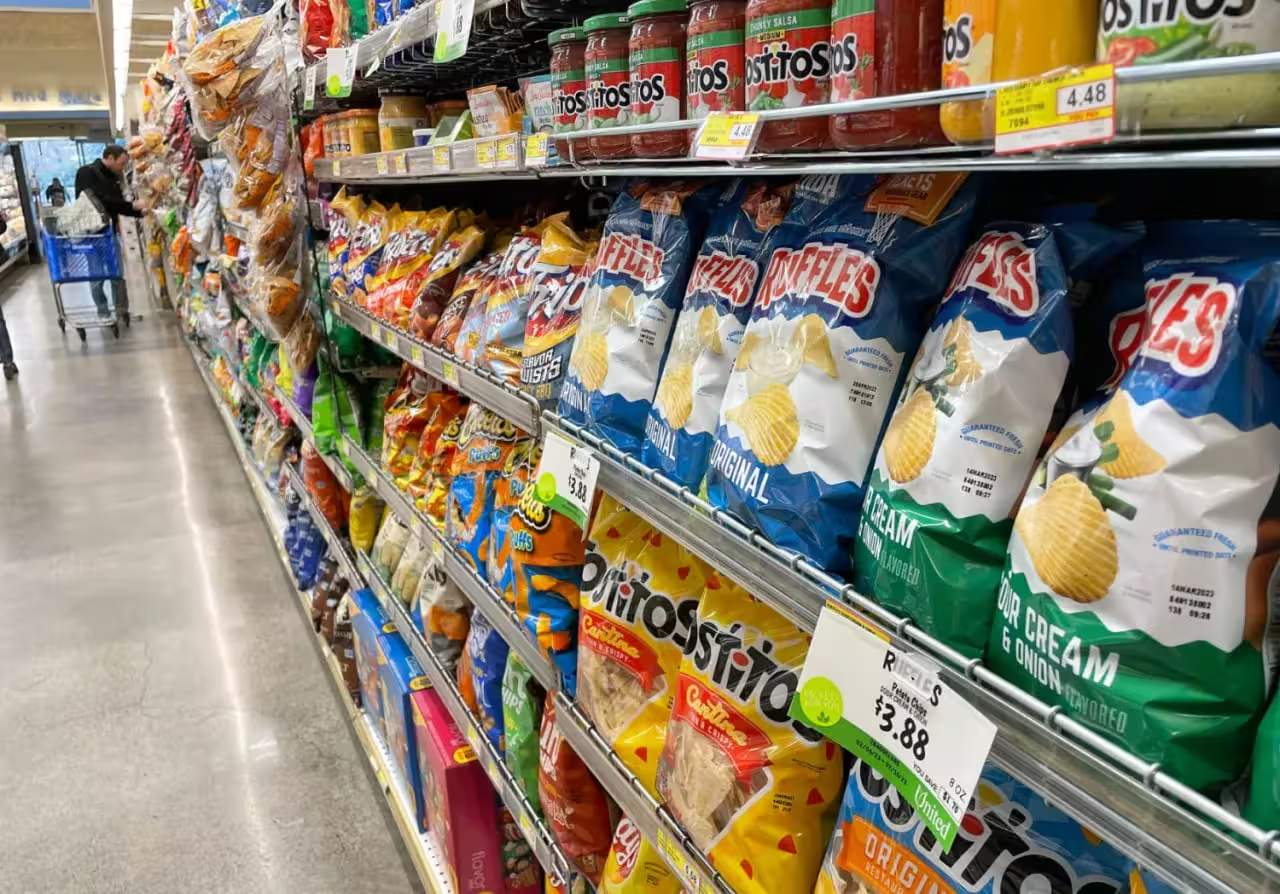
Why do these factory-made foods do such damage? Researchers point to several overlapping mechanisms. One idea is the so-called cocktail effect: additives that are individually judged safe may interact inside the body to produce amplified, unexpected toxicity. Another is biological—ultra-processed items can harm the gut lining and spark chronic inflammation, a known driver of cancer and of insulin resistance that leads to type 2 diabetes. Industrial processing also creates or concentrates compounds linked to heart failure in some studies.
There’s a socioeconomic angle too. Ultra-processed products are often cheap, engineered for maximum palatability, and loaded with excess sodium, added sugars, refined grains and a suite of industrial additives that improve shelf life, flavor and texture. That combination helps explain why these foods dominate modern diets, especially where time and money are tight.
Not every processed food is villainous. Fermented yogurt and hummus, for example, can be nutritious. But calorie counts and standard nutrient labels don’t tell the whole story. As Dr. Xiao Liu, lead author of the new analysis and a physician at Sun Yat-sen Hospital, points out, the modern food supply changes foods at a structural and chemical level in ways traditional nutrition tables don’t capture. Dr. Dariush Mozaffarian, a cardiologist at Tufts, adds that loss of beneficial compounds, the presence of additives, and migration of packaging chemicals into food introduce risks beyond classic measures of fat, salt and sugar.
So what can a person do with this information? Start simple: prioritize whole vegetables, fruits, legumes and minimally processed proteins. Cook when you can. Read labels with an eye for long ingredient lists—the longer and more industrial-sounding, the more likely a product is ultra-processed. And when life or budget makes packaged foods necessary, choose options with fewer additives and more recognizable ingredients.
Science is still untangling every pathway from factory line to organ system, but the signal is clear. The next time convenience beckons from a shiny wrapper, ask yourself whether that small, immediate reward is worth a measurable risk to long-term health.

Leave a Comment
Comments
No comments yet. Be the first.